Method
Prepare the pan and carrots
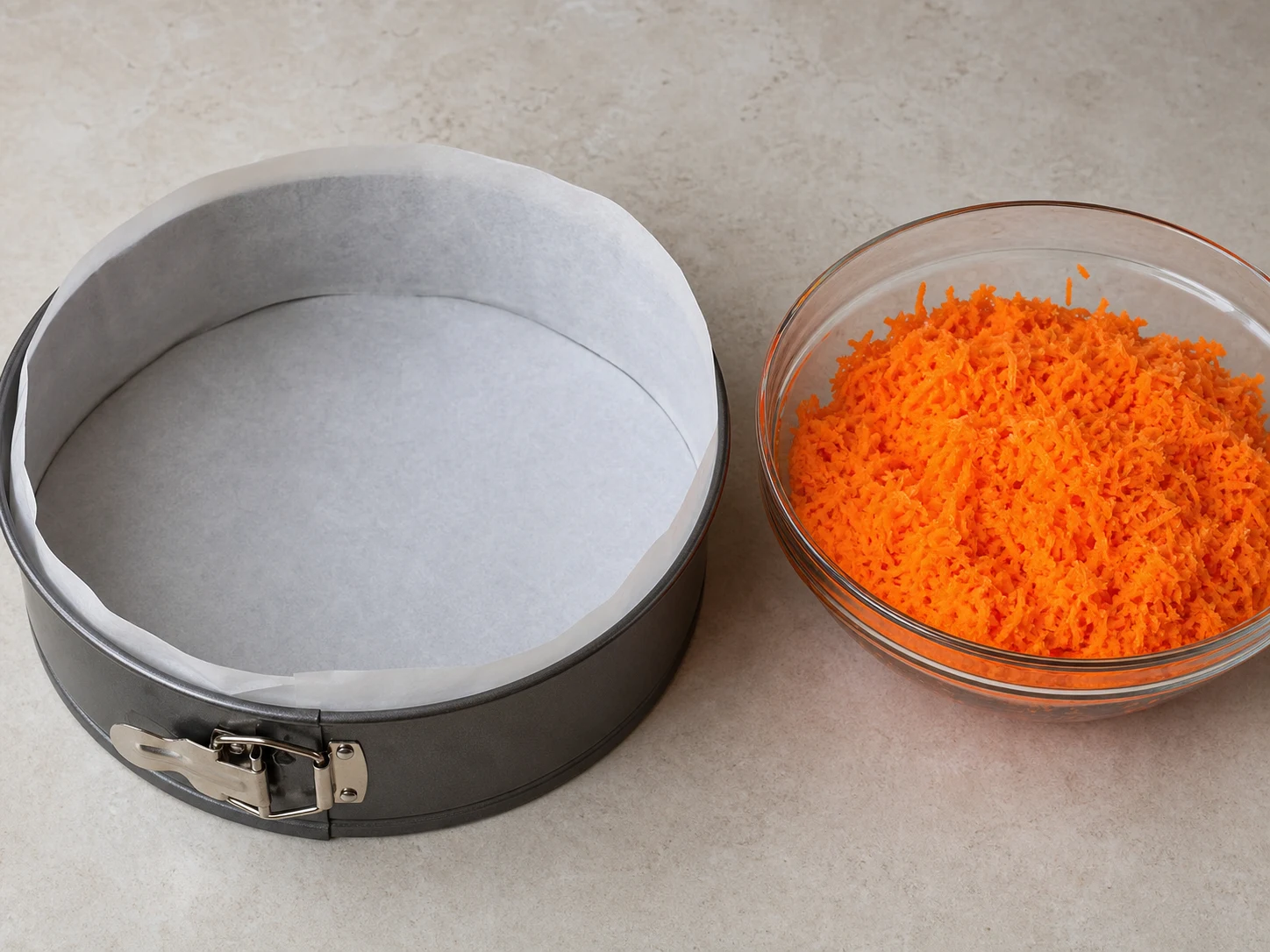
Heat the oven to 180°C (350°F). Line the base of a 20 cm (8 in) springform pan (for 8 servings) with parchment and grease the sides with 10 g of unsalted butter. Scaled batches should use a pan that keeps the batter at a similar depth rather than scaling the diameter directly. Peel and finely grate 250 g of carrots on the small holes of a box grater; the shreds should be moist and delicate, not long or coarse.
Mix the dry ingredients
In a medium bowl, whisk 200 g of ground almonds, 60 g of all-purpose flour, 5 g of baking powder, 2 g of ground cinnamon, 1/4 g of ground cloves, and 1 1/2 g of fine salt until evenly combined. Break up any compacted almond lumps with the whisk so they will disperse without heavy mixing later.
Whip the yolks and sugar
Separate 4 large eggs, placing the yolks in a large mixing bowl and the whites in a clean, grease-free bowl. Beat the yolks with 200 g of granulated sugar and 4 g of lemon zest for 4 to 5 minutes, until the mixture is pale, thick, and falls from the beaters in a ribbon that briefly sits on the surface.
04:00Build and lighten the batter
Fold 250 g of carrots into the yolk mixture, followed by the dry ingredients, stopping as soon as no dry pockets remain. With clean beaters, whip the reserved egg whites to firm peaks that stand upright but still look smooth. Fold one-third of the whites into the carrot mixture to loosen it, then fold in the remainder in two additions with broad strokes, preserving as much air as possible.
Bake until springy and set
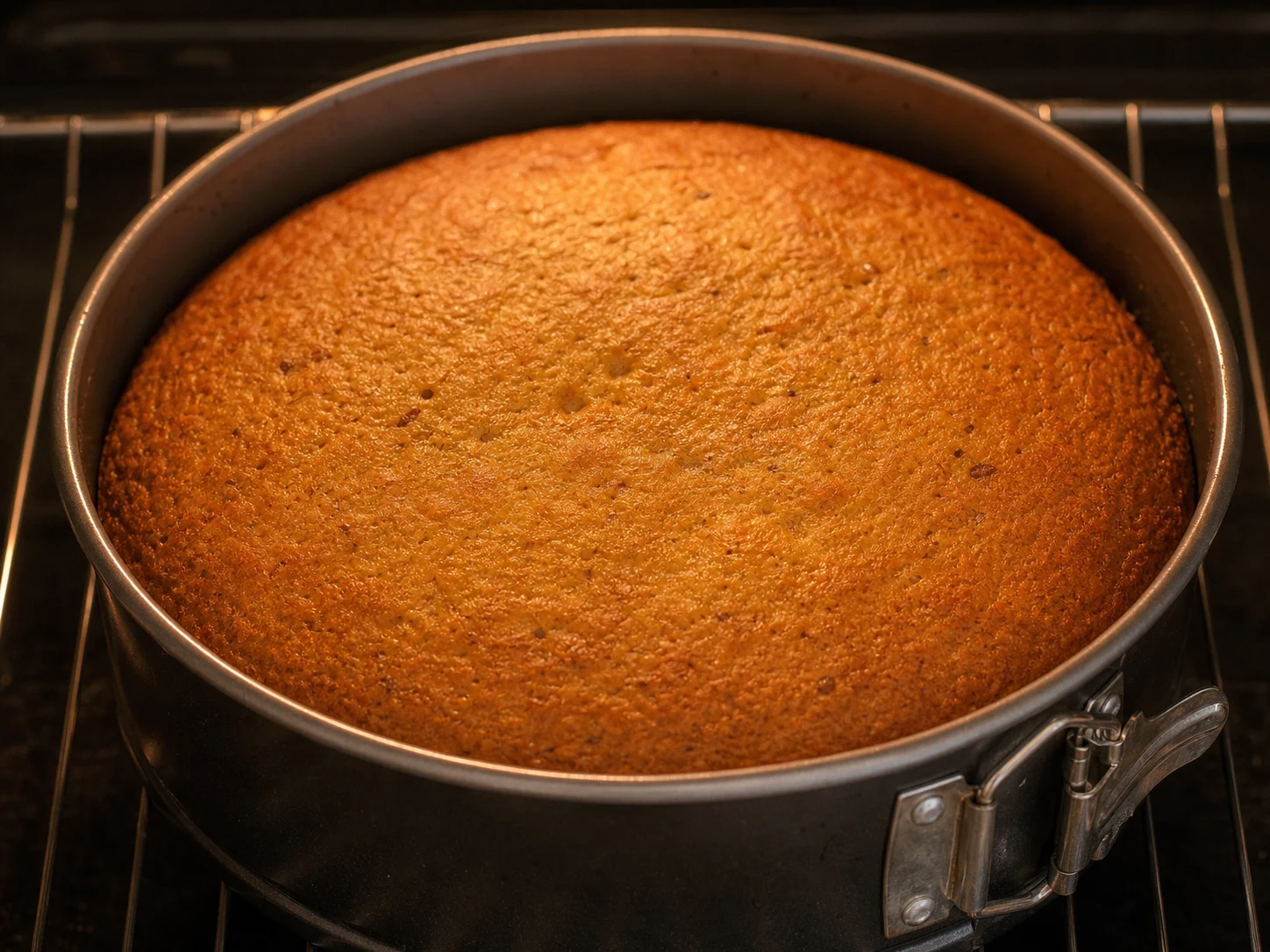
Transfer the batter to the prepared pan and level the surface without pressing out the air. Bake on the center rack for 45 to 50 minutes. Start checking at 45 minutes: the top should be deep golden, the center should spring back when lightly pressed, and a skewer should come out clean or with a few moist crumbs. For a thermometer check, the center must reach at least 71°C (160°F) for egg safety and will usually be around 96-99°C (205-210°F) when the crumb is fully baked. If the top colors too quickly, shield it loosely with foil while the center finishes.
45:00Unmold and add the apricot layer
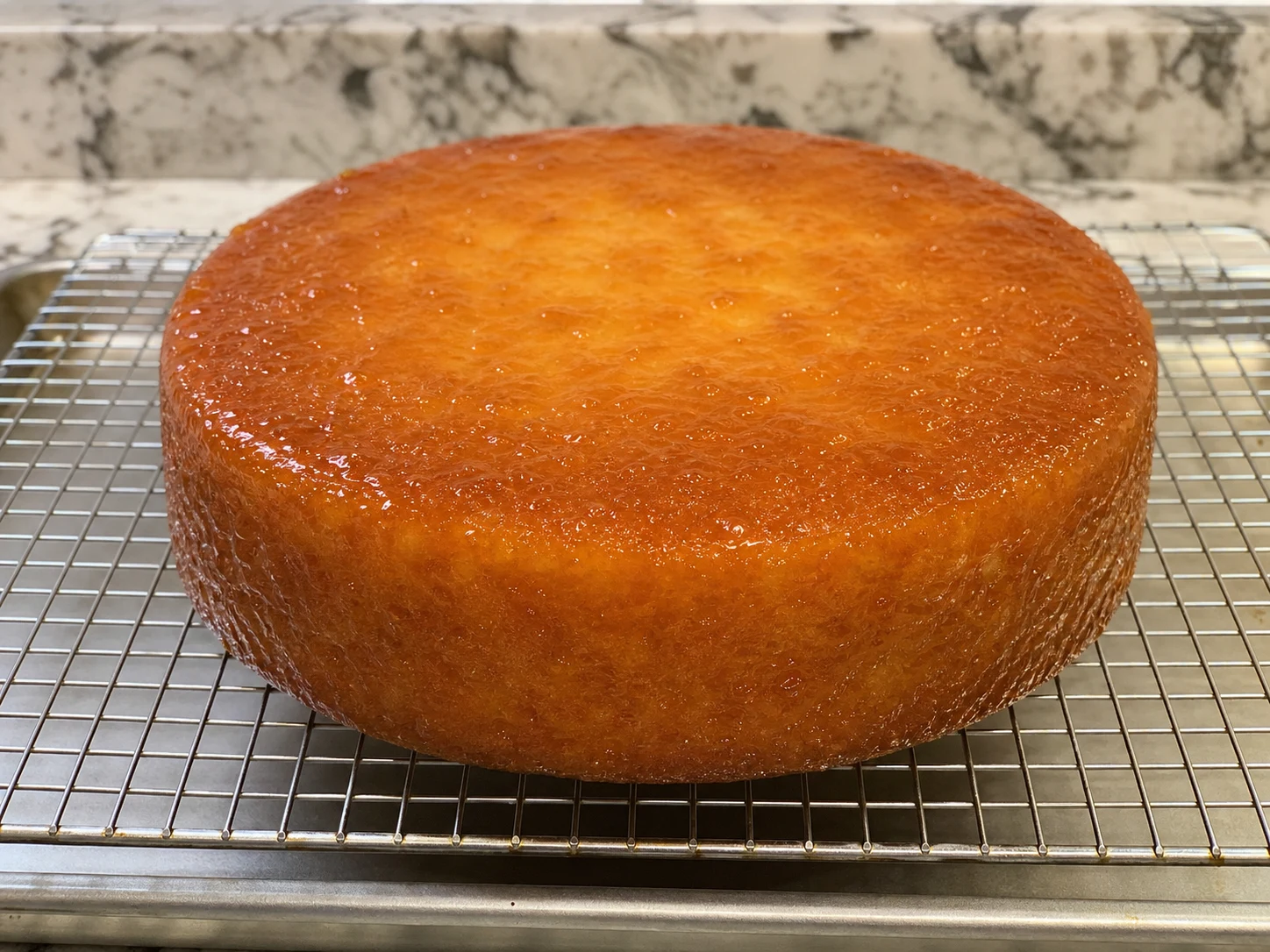
Set the pan on a rack and let the cake settle for 15 minutes. Run a thin knife around the edge, release the springform ring, and invert the cake onto the rack; remove the base and parchment, then turn it right side up. Warm 60 g of smooth apricot jam just until fluid and brush a thin, even layer over the top and sides while the cake is still slightly warm.
15:00Cool the cake completely
Leave the apricot-coated cake on the rack until no warmth remains in the center, about 45 minutes. Glazing a warm cake will make the icing turn transparent and slide off, so do not rush this stage.
45:00Glaze and decorate
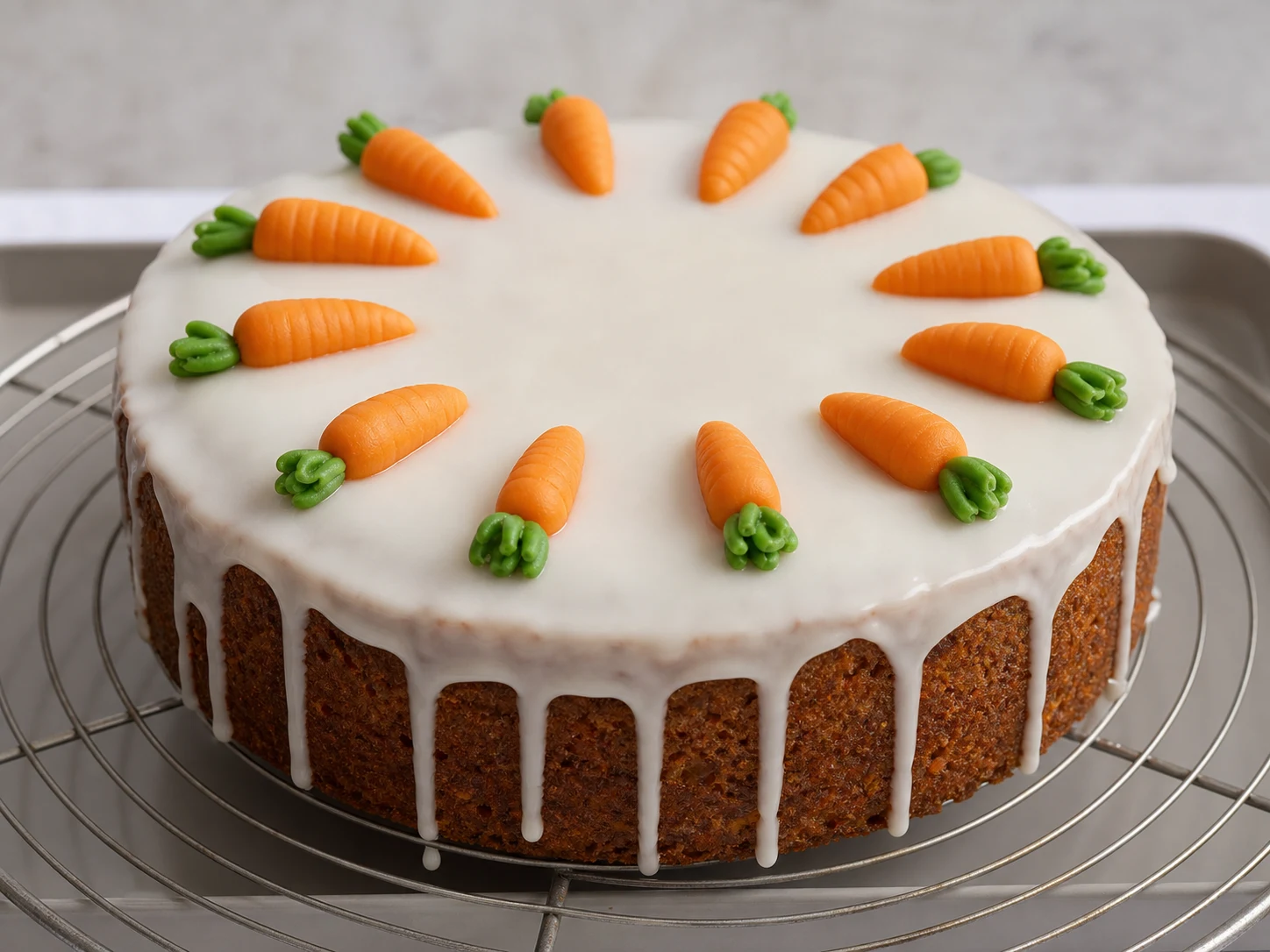
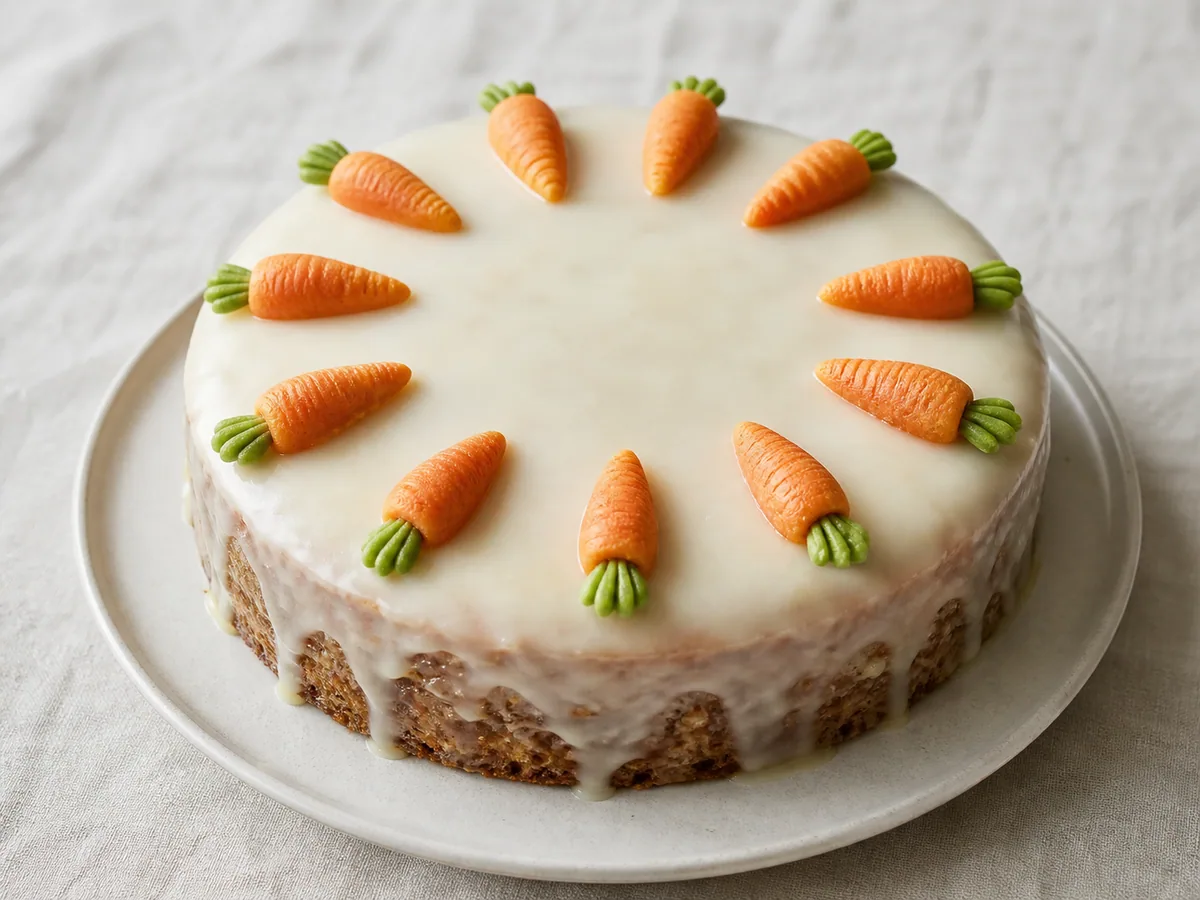
Stir 120 g of powdered sugar with 30 ml of fresh lemon juice until smooth and thick enough to coat the back of a spoon. Add 5 ml of water only as needed, a few drops at a time. Pour the glaze into the center of the cooled cake and ease it toward the edges so a few narrow drips form. Arrange marzipan carrots (optional) on the wet glaze, then let the surface stand for about 20 minutes, until set before slicing.
20:00


Smart Substitutions
- No ground almonds? Use the same weight of finely ground hazelnuts for a deeper, toastier version.
- No apricot jam? Use a smooth peach preserve and brush it on in a very thin layer.
- No marzipan carrots? Leave the lemon glaze plain; the cake will still have its characteristic Swiss flavor and finish.
- Avoiding dairy? Grease the pan with a thin film of neutral oil instead of butter.
Tips and Variations
- If the grated carrots release a puddle of liquid, blot them lightly, but do not squeeze them dry.
- Fold the egg whites in three additions; the first loosens the batter and the last two preserve lift.
- Begin checking at 45 minutes and cover the top loosely if it browns before the center is set.
What Went Wrong?
- Cake is dense The egg whites were likely under-whipped or deflated during folding. Beat to firm, smooth peaks and use broad, gentle strokes.
- Center sinks Bake until the center springs back and tests clean; opening the oven early or removing the cake before the crumb sets can cause collapse.
- Glaze turns transparent The cake was still warm or the glaze was too thin. Let the cake cool fully and add more powdered sugar to thicken the glaze.
- Glaze will not spread Add water one drop at a time until the glaze moves slowly from the spoon without running like a liquid.
Nutrition Estimate
- Fiber: 4 g per serving
- Sodium: 180 mg per serving
Nutrition disclaimer:This recipe is provided for general cooking information only. Nutrition values are estimates and may vary by ingredients, brands, preparation methods, and serving sizes. Check ingredient labels and follow appropriate food-safety practices. This content is not medical, dietary, allergy, or professional food-safety advice.
FAQ
Found an error or have a suggestion?
Help us improve this recipe. Send us your feedback and include the recipe name so we can take a look.