Method
Mix and knead the dough
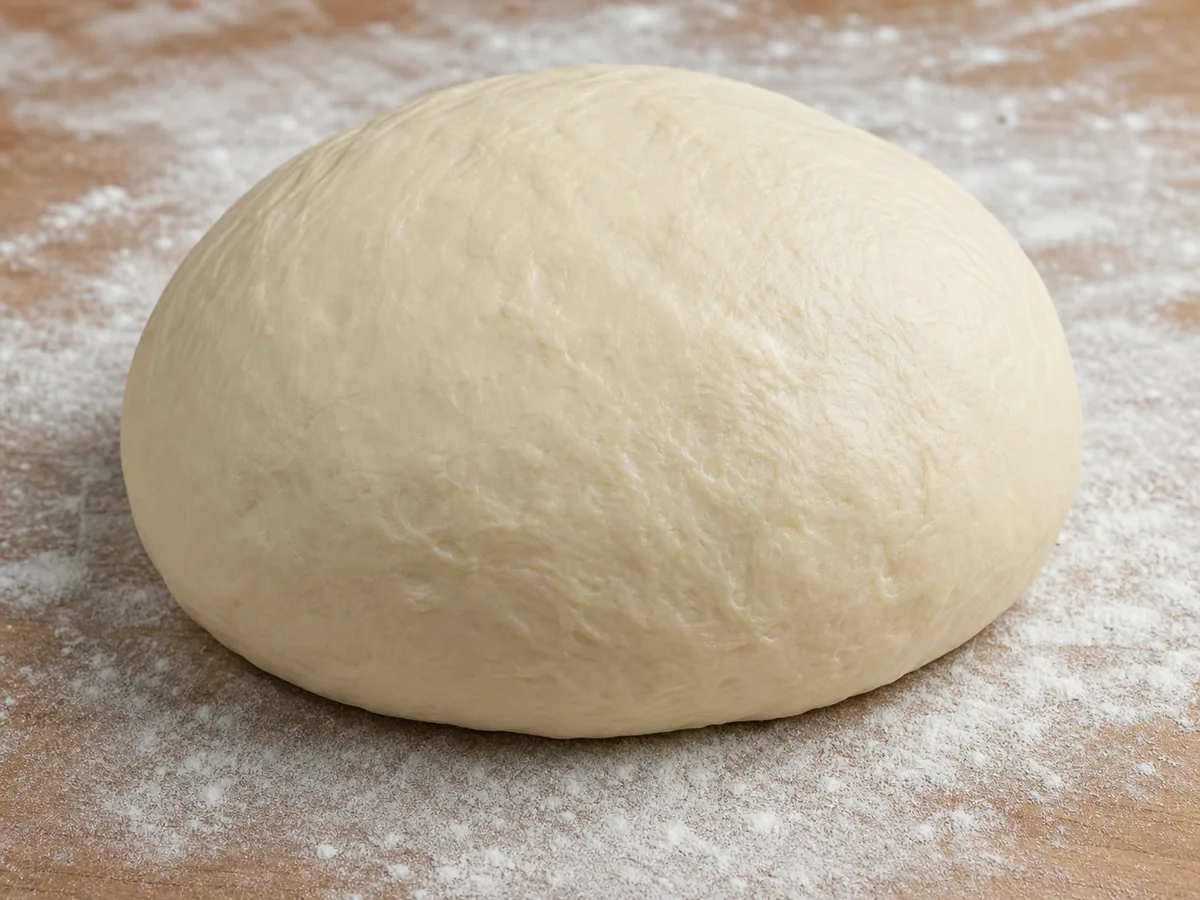
Whisk 350 g of all-purpose flour, 5 g of instant yeast, and 8 g of granulated sugar in a large bowl. Pour in 210 ml of lukewarm water and stir until no dry flour remains. Add 6 g of fine sea salt, then knead on a clean, mostly unfloured surface for 8 to 10 minutes, checking the texture at 8 minutes. Stop when the dough is smooth, firm, and elastic; it may feel slightly tacky, but it should release cleanly from your hands and the counter.
08:00Let the dough rise
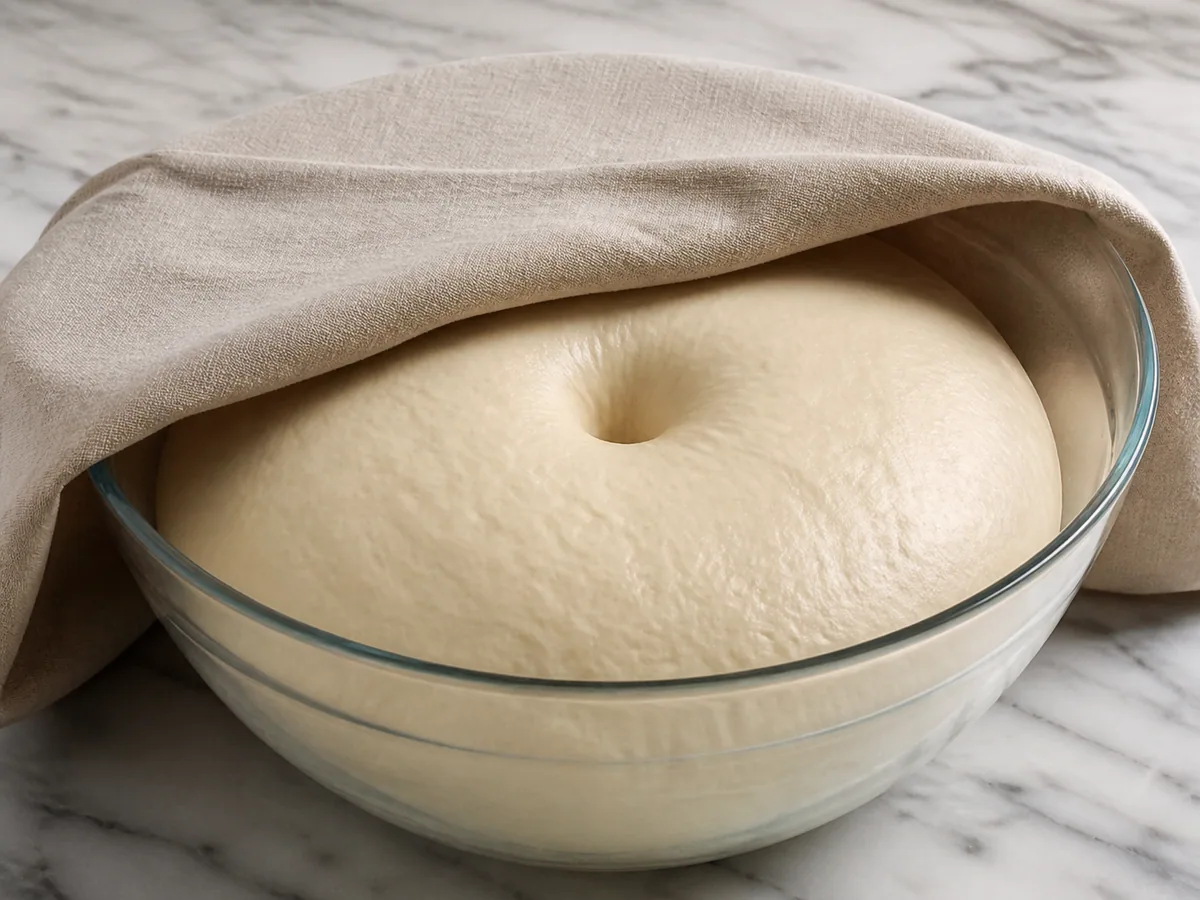
Shape the dough into a tight ball and place it in a clean bowl. Cover with a clean towel and leave it in a warm, draft-free spot for 50 to 60 minutes. Check at 50 minutes; it is ready when it looks about one and a half times its original size and a fingertip pressed gently into the surface leaves a slow-filling dent.
50:00Toast the sesame and prepare the coating
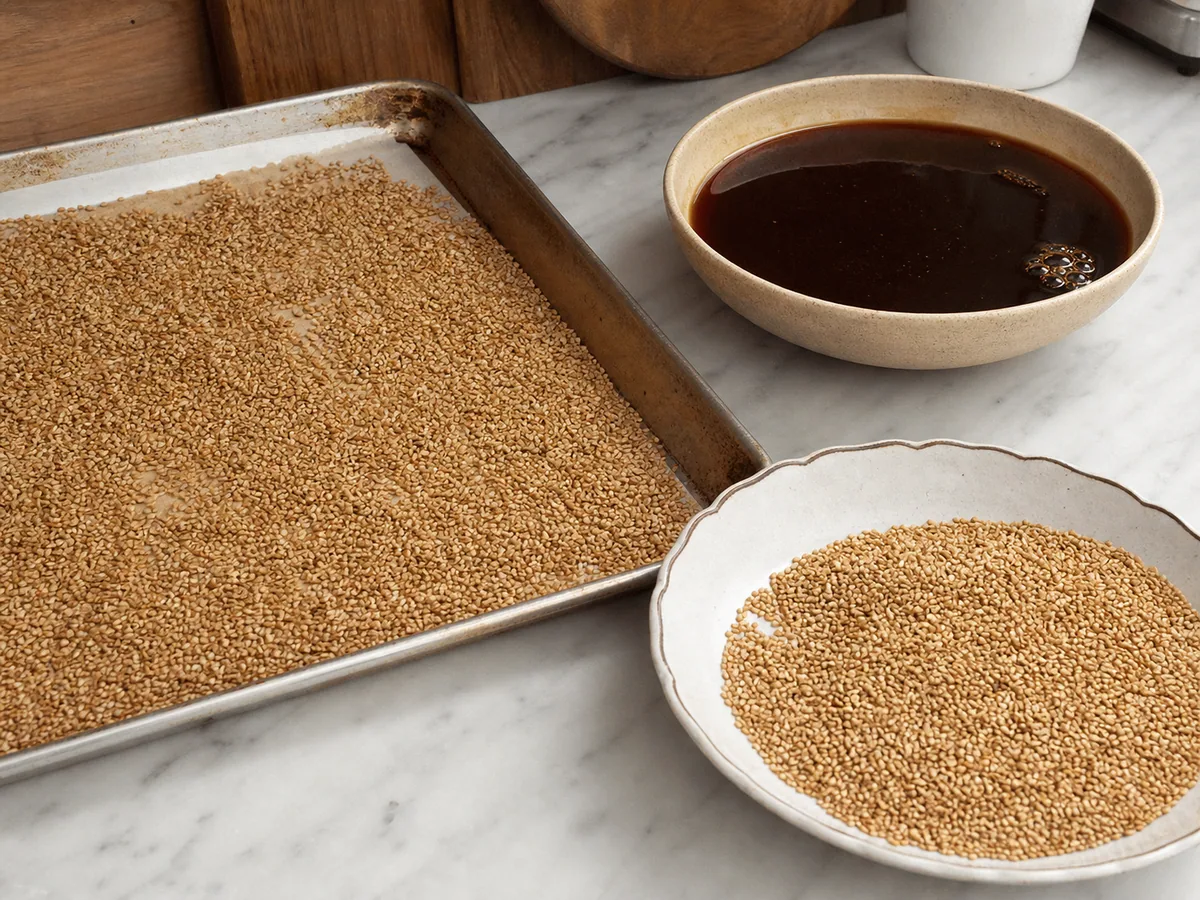
Heat the oven to 180°C (350°F). Spread 75 g of sesame seeds in an even layer on a rimmed baking sheet and toast for 6 to 8 minutes, stirring once, until fragrant and lightly golden; begin checking at 6 minutes because the seeds can darken quickly. Transfer them to a wide shallow dish. Raise the oven temperature to 220°C (425°F). Stir 60 g of grape molasses and 80 ml of water for coating together in a second wide shallow dish until smooth.
06:00Shape the twisted rings
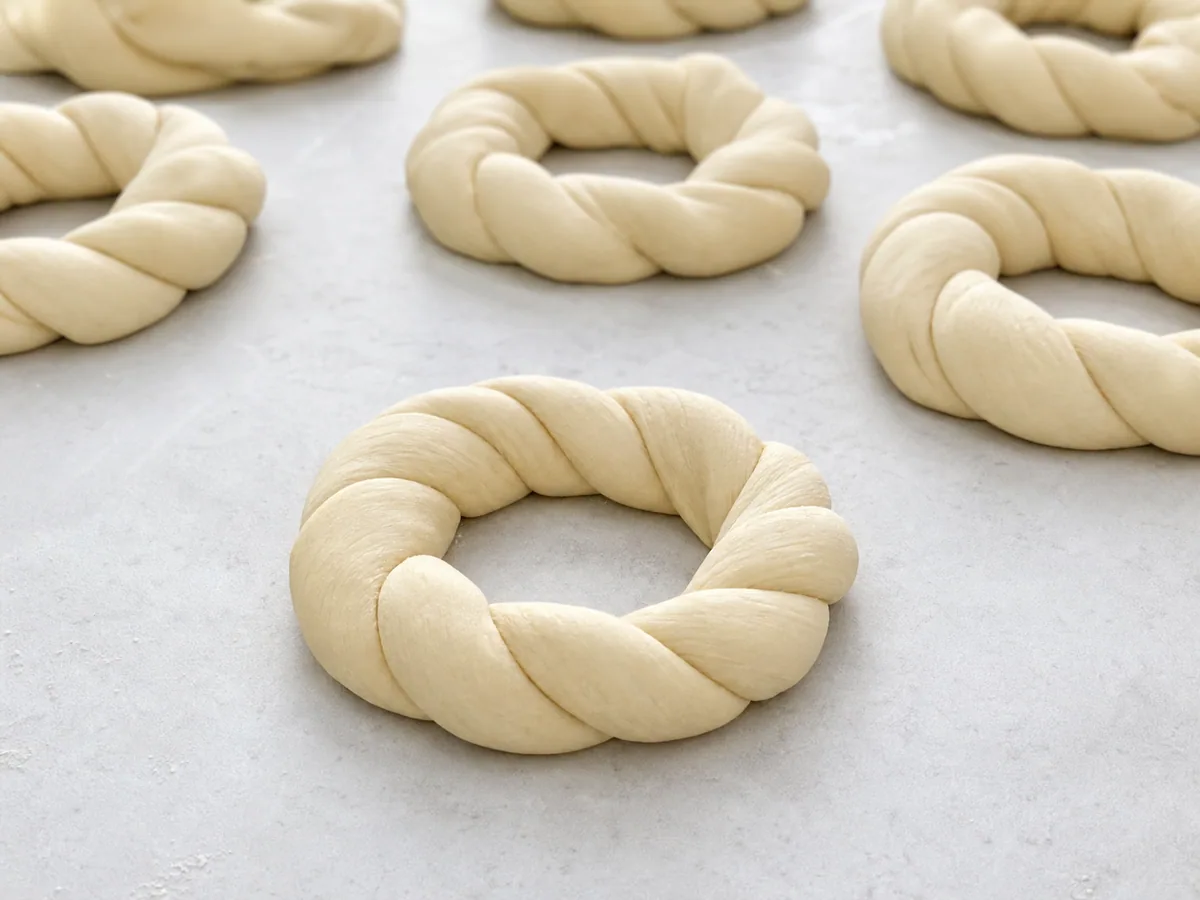
Turn the risen dough onto a clean, unfloured surface and divide it into one equal portion per serving. Split each portion in half. Roll each half under your palms into a rope about 45 cm (18 in) long, keeping the thickness even from end to end. Place two ropes side by side, pinch their top ends together, twist them around each other without pulling, then overlap and pinch the ends firmly to form a ring. Repeat with the remaining dough.
Coat and proof the rings
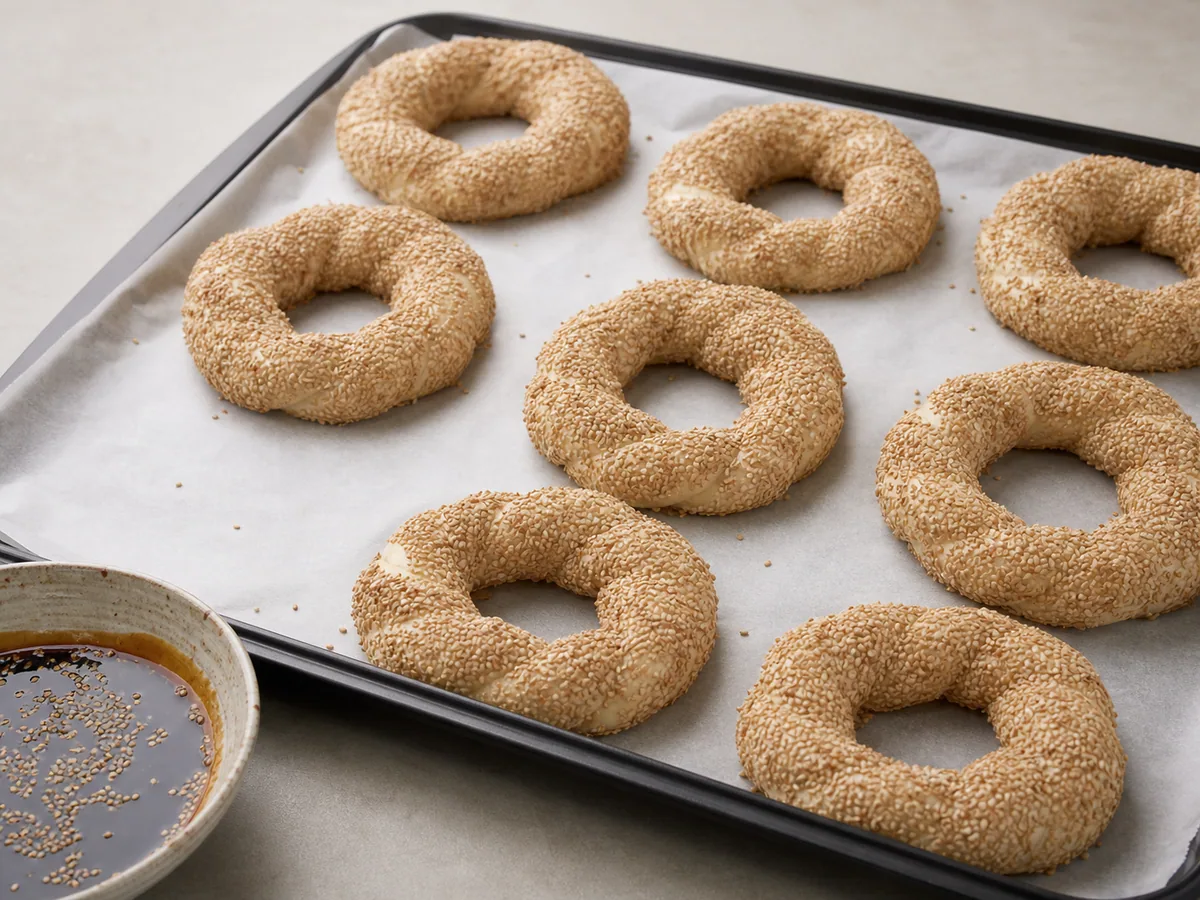
Dip each ring into the molasses mixture and turn it so every surface is wet. Lift it out, let excess liquid drip away for a few seconds, then press both sides into the toasted sesame seeds until densely coated. Arrange the rings on parchment-lined baking sheets with room between them, and gently stretch each one to a 15 to 17 cm (6 to 7 in) diameter. Let them stand for 15 minutes, until slightly puffy but still firm enough to hold the twist.
15:00Start baking and rotate the trays
Bake at 220°C (425°F) for 10 minutes. If using two oven racks, rotate the baking sheets and swap their rack positions at the end of this interval so the rings brown evenly.
10:00Finish baking until deeply browned
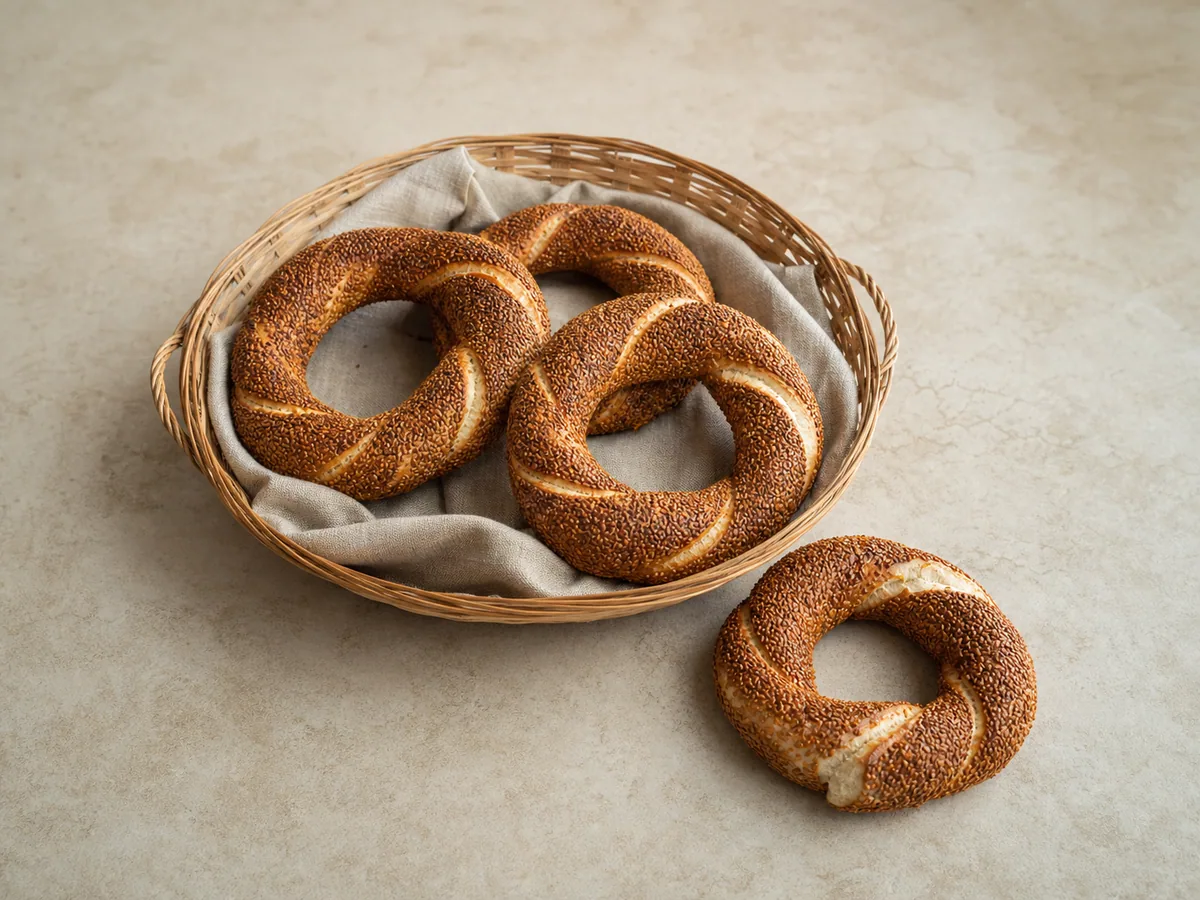
Continue baking at 220°C (425°F) for 6 to 10 minutes more. Begin checking after 6 minutes. The simit are ready when the sesame is richly toasted, the crust is deep golden brown, and the rings feel light and firm when lifted.
06:00Set the crust and serve
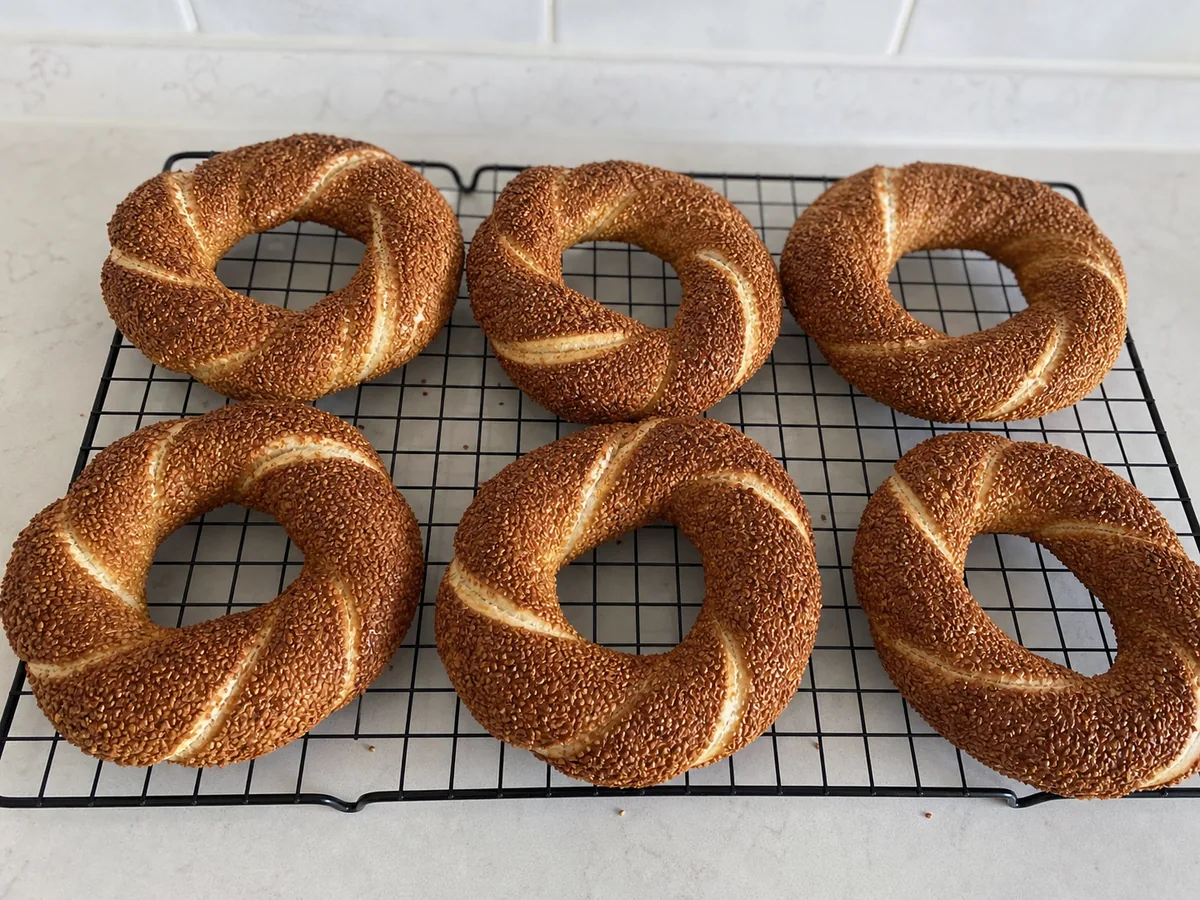
Transfer the simit to a wire rack and let them cool for 10 minutes. This short pause sets the crisp crust while the center remains pleasantly chewy. Serve warm as breakfast bread or an all-day snack.
10:00


Smart Substitutions
- No grape molasses? Use date or mulberry molasses in the same amount. Regular unsulfured molasses also works, though its flavor is darker and less fruity.
- Using bread flour? Replace the all-purpose flour by weight for a slightly chewier center. Add water a teaspoon at a time only if the dough feels dry after several minutes of kneading.
- Only raw sesame seeds? Toast them as directed in the method; pre-toasting is what gives the coating its rounded, nutty flavor.
- No instant yeast? Use the same weight of active dry yeast and dissolve it in the lukewarm dough water with the sugar before mixing the dough.
Tips and Variations
- Weigh the flour when possible; a cup measurement packed too firmly can make the dough needlessly stiff.
- Keep the work surface mostly free of flour so the ropes grip the counter and roll to an even length.
- Press the joined ends firmly and place the seam against the baking sheet to help the ring stay closed.
What Went Wrong?
- Dough snaps back while rolling Cover the portion and let it relax for 5 minutes, then continue rolling without forcing it.
- Rings open in the oven Overlap the rope ends by 2 to 3 cm (about 1 in), pinch firmly, and set the seam underneath before proofing.
- Sesame seeds fall off Coat the ring while the molasses mixture is still wet and press both sides into the seeds instead of merely sprinkling them.
- Simit is pale and soft Bake until the crust reaches a deep golden brown. A pale surface usually needs a few more minutes or a fully preheated oven.
Nutrition Estimate
- Fiber: 5 g per serving
- Sodium: 590 mg per serving
Nutrition disclaimer:This recipe is provided for general cooking information only. Nutrition values are estimates and may vary by ingredients, brands, preparation methods, and serving sizes. Check ingredient labels and follow appropriate food-safety practices. This content is not medical, dietary, allergy, or professional food-safety advice.
FAQ
Found an error or have a suggestion?
Help us improve this recipe. Send us your feedback and include the recipe name so we can take a look.