Method
Cook the potatoes until tender
Scrub 800 g of medium floury potatoes, similar in size and place them whole and unpeeled in a large pot. Cover with cool water by about 3 cm (1 in), bring to a boil, then reduce to a steady simmer. Set a 25-minute timer as the first tenderness check. Continue cooking as needed until a thin knife slides through the center without resistance, usually 25 to 35 minutes. Drain thoroughly and let the potatoes stand just until they are cool enough to handle.
25:00Rice the potatoes and make the dough
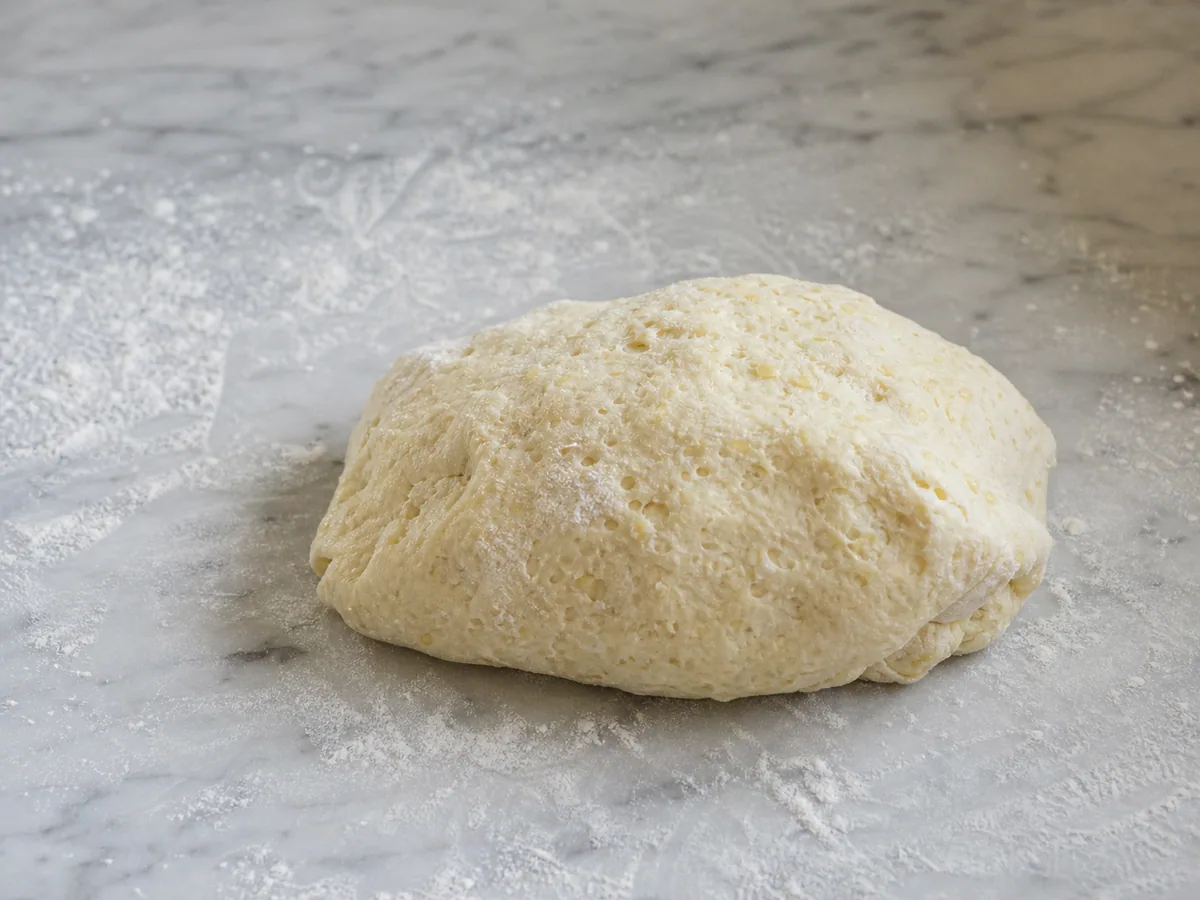
Peel the potatoes while they are still warm, then press them through a potato ricer onto a clean work surface in a loose, even layer. Let excess steam escape for 2 to 3 minutes. Scatter 160 g of all-purpose flour, 4 g of fine sea salt, and 1/2 g of ground nutmeg over the potatoes. Use a bench scraper to fold and cut the mixture together just until a soft, cohesive dough forms. Stop as soon as no dry flour remains; kneading will make the gnocchi heavy.
Shape and test one gnocchi
Bring a wide pot of water to a lively simmer and stir in 12 g of fine sea salt for cooking water. Dust the work surface lightly with a small portion of 20 g of all-purpose flour for dusting. Divide the dough into 4 pieces, roll one piece into a rope about 2 cm (3/4 in) thick, and cut off one 2.5 cm (1 in) test piece. Add the test gnocchi to the water; when it floats, cook it for 30 seconds more, then lift it out with a slotted spoon. It should hold its shape and taste tender. If it feathers apart, fold all-purpose flour (optional, for adjustment) into the remaining dough a small spoonful at a time, testing again only as needed. Keep the water at a bare simmer while shaping the remaining gnocchi.
Shape the gnocchi
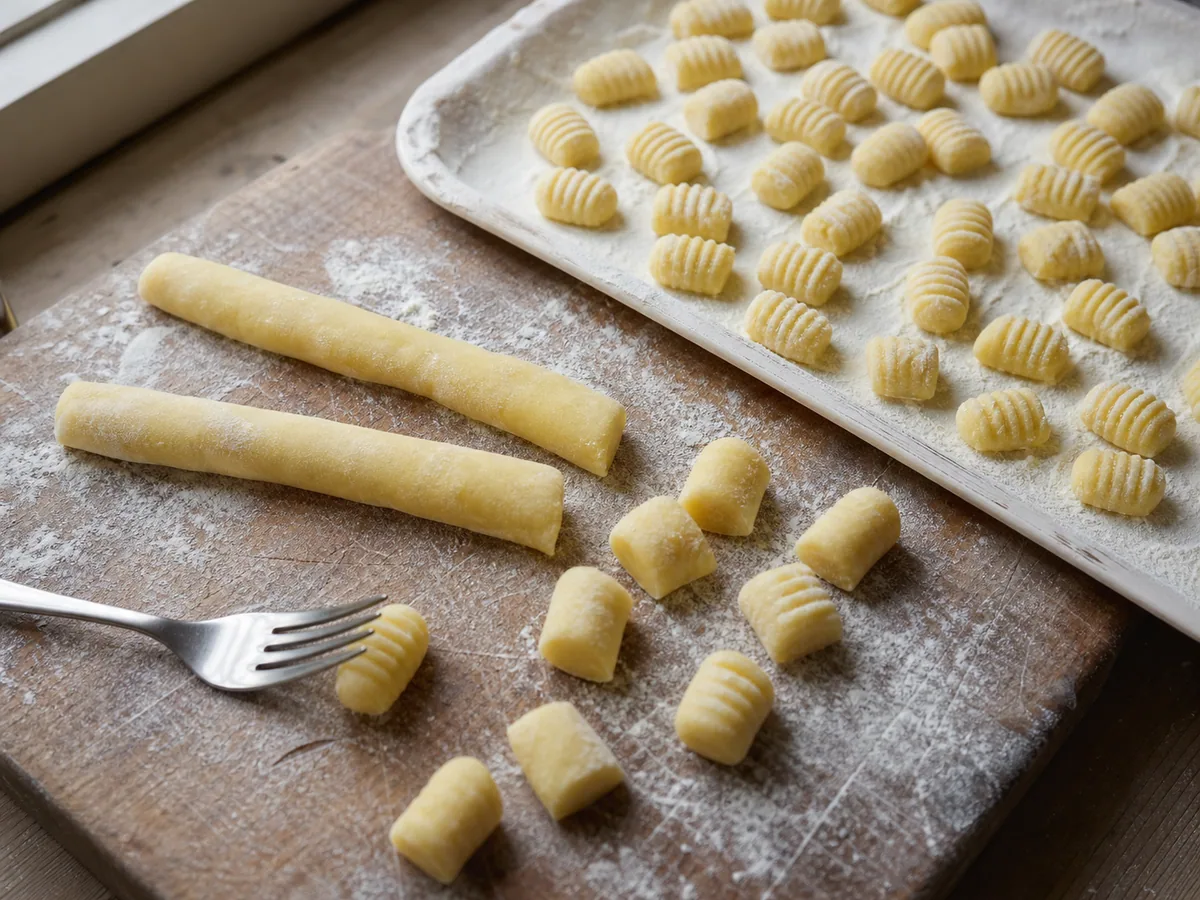
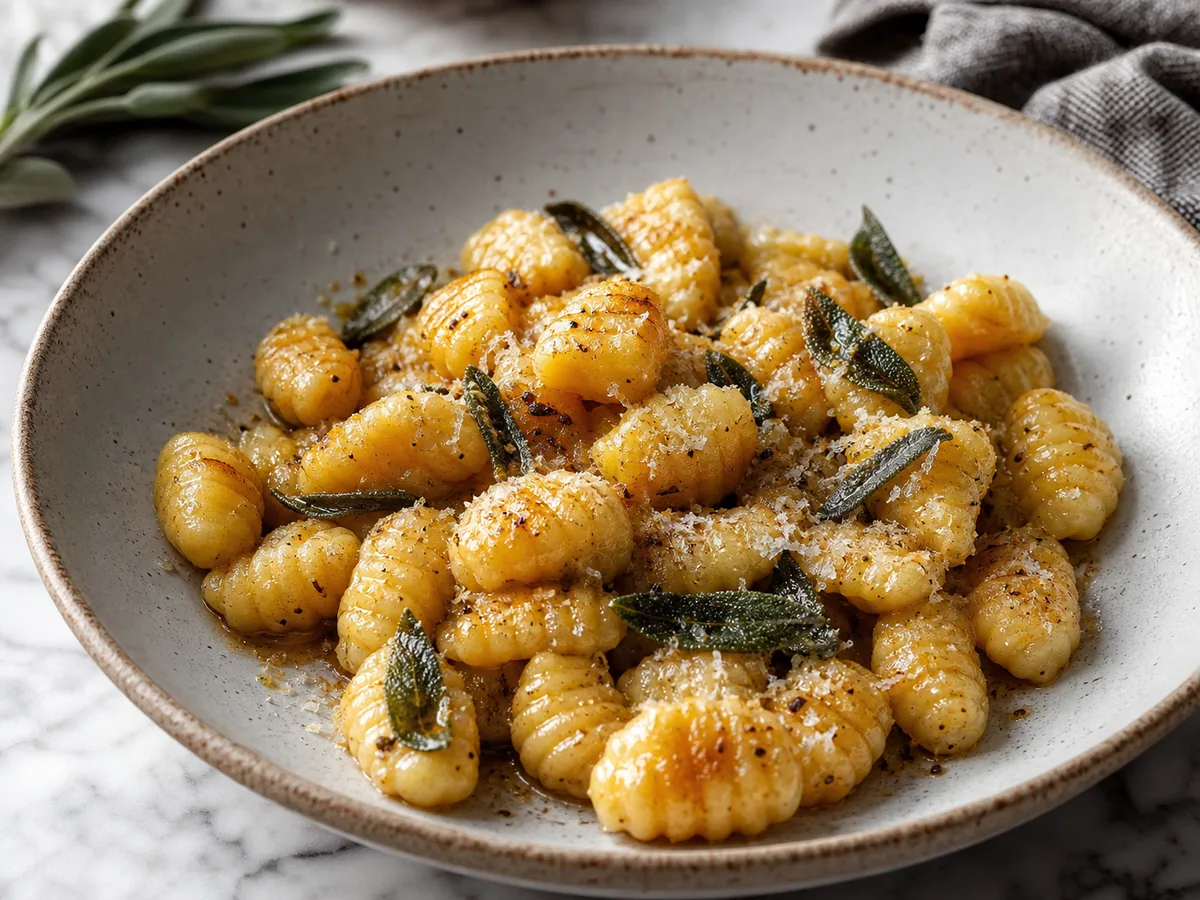
Use the remaining 20 g of all-purpose flour for dusting as needed to keep the work surface and tray lightly floured. Roll each of the 3 remaining dough pieces into a rope about 2 cm (3/4 in) thick. Cut the ropes into 2.5 cm (1 in) pieces. Leave them smooth, or roll each piece over a gnocchi board or the back of a fork with gentle pressure to make shallow ridges and a small hollow. Transfer the shaped gnocchi to the lightly floured tray in a single layer.
Brown the butter and crisp the sage
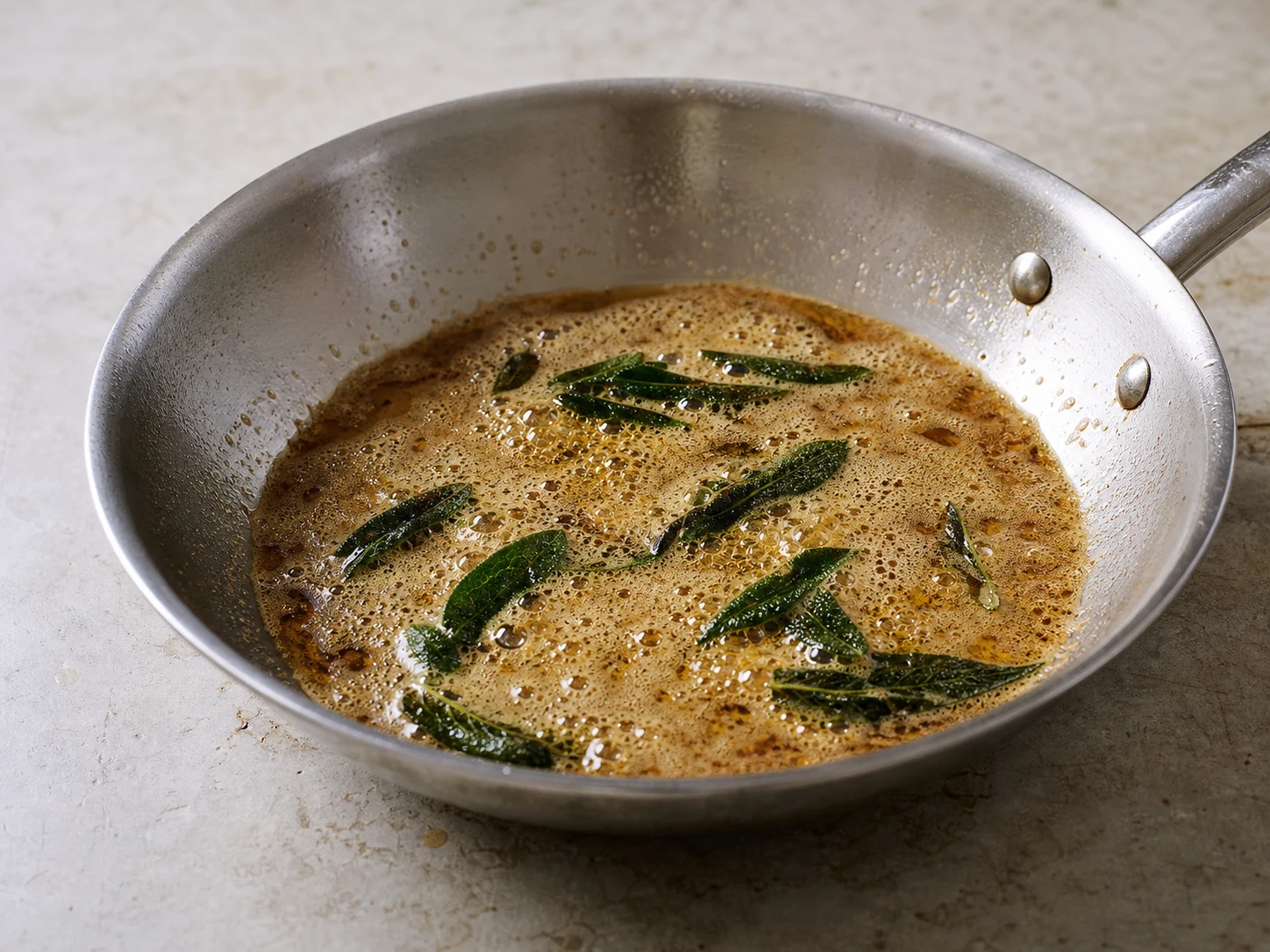
Add 85 g of unsalted butter to a wide, light-colored skillet over medium heat. When it melts and begins to foam, add 10 g of fresh sage leaves. Set a 4-minute timer as the first color check. Swirl the skillet often until the sage is crisp and the milk solids are deep golden brown with a nutty aroma, usually 4 to 6 minutes. Immediately remove the skillet from the heat so the butter does not continue browning while the gnocchi cook.
04:00Boil the gnocchi in batches
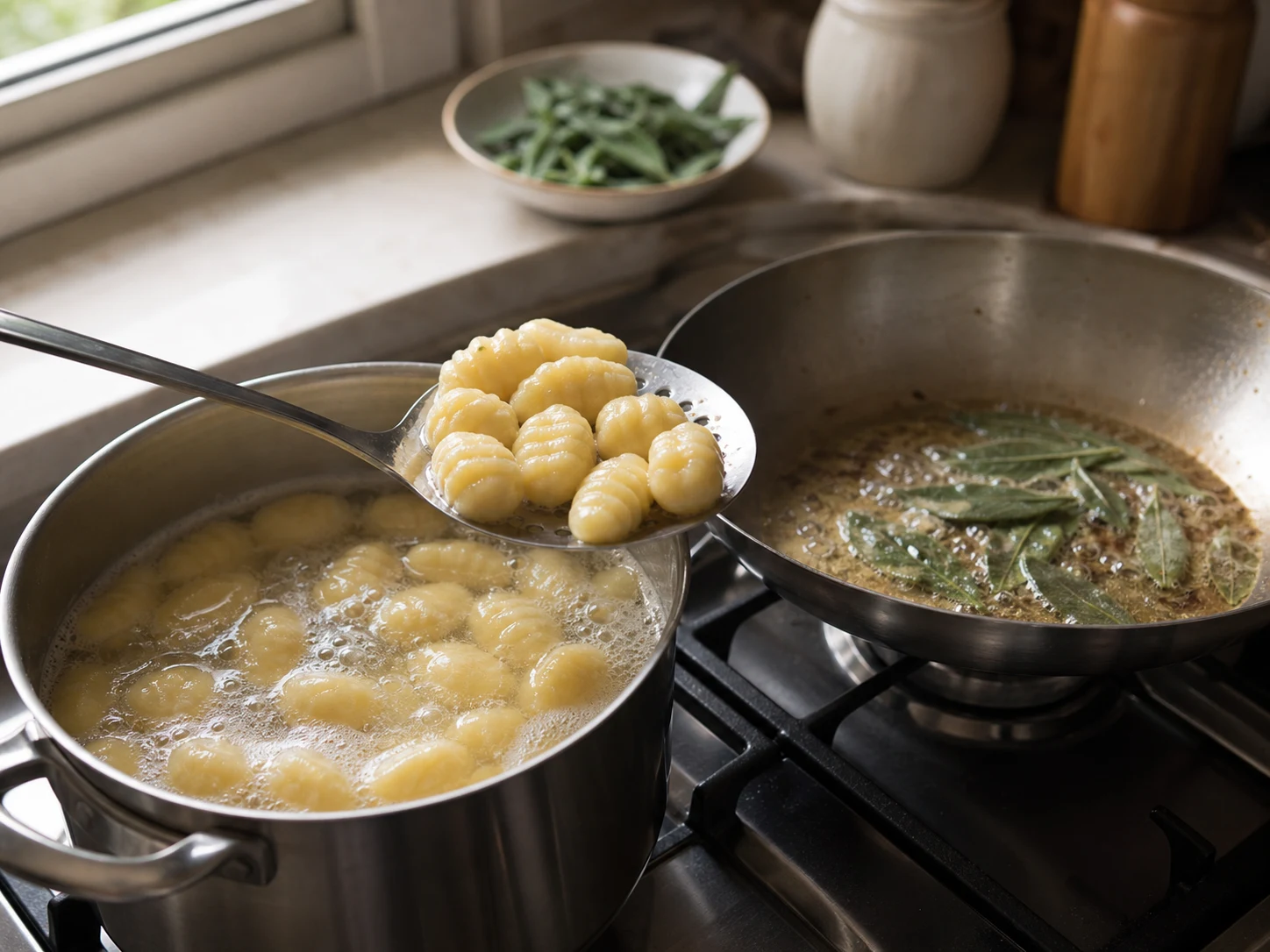
Bring the prepared pot of salted water back to a lively simmer. Add about one-quarter of the gnocchi, keeping the water below a hard boil so the pieces stay intact. Set a 2-minute timer as the first check. Gently stir once to prevent sticking; when the gnocchi float, cook them for 30 seconds more, then lift them out with a slotted spoon and transfer them directly to the off-heat sage-butter skillet. Reserve 120 ml of reserved gnocchi cooking water before the final batch and repeat until all the gnocchi are cooked.
02:00Coat the gnocchi and serve
Return the brown-butter skillet, now holding the cooked gnocchi, to medium-low heat. Toss gently until every piece is glossy. Add 120 ml of reserved gnocchi cooking water a little at a time, stopping when the butter forms a light coating rather than pooling in the pan. Finely grate 50 g of Parmesan cheese over the skillet, add 1 g of black pepper, and toss once more. Serve immediately while the gnocchi are tender and the sage is crisp.


Smart Substitutions
- No floury potatoes? Use Yukon Gold potatoes and let the riced flesh steam off thoroughly before adding flour.
- No Parmesan? Use Grana Padano or a mild aged pecorino, adjusting the final seasoning to account for saltiness.
- No gnocchi board? Use the back of a dinner fork for shallow ridges, or leave the pieces smooth for a more rustic shape.
- No fresh sage? Use fresh marjoram for a softer herbal sauce, though it will not have the classic sage character.
Tips and Variations
- Use the least flour that produces a dough you can handle; extra flour makes the gnocchi firm rather than pillowy.
- Keep the water at a lively simmer instead of a rolling boil so the shaped pieces do not knock into one another and break.
- A light-colored skillet makes the toasted milk solids easy to see before the butter crosses from brown to burned.
What Went Wrong?
- Dough is very sticky Let the riced potatoes release more steam, then fold in flour a small spoonful at a time until the dough can be rolled.
- Gnocchi are dense The dough was probably overworked or given too much flour. Fold only until cohesive and stop kneading as soon as the dry patches disappear.
- Gnocchi fall apart in the water Lower the water to a simmer and test one piece. If it still dissolves, fold a small spoonful of flour into the remaining dough before shaping again.
- Butter tastes bitter The milk solids have burned. Start the sauce again over slightly lower heat and remove it from the burner as soon as the solids turn deep golden brown.
Nutrition Estimate
- Fiber: 6 g per serving
- Sodium: 790 mg per serving
Nutrition disclaimer:This recipe is provided for general cooking information only. Nutrition values are estimates and may vary by ingredients, brands, preparation methods, and serving sizes. Check ingredient labels and follow appropriate food-safety practices. This content is not medical, dietary, allergy, or professional food-safety advice.
FAQ
Found an error or have a suggestion?
Help us improve this recipe. Send us your feedback and include the recipe name so we can take a look.