Method
Make the fragrant syrup
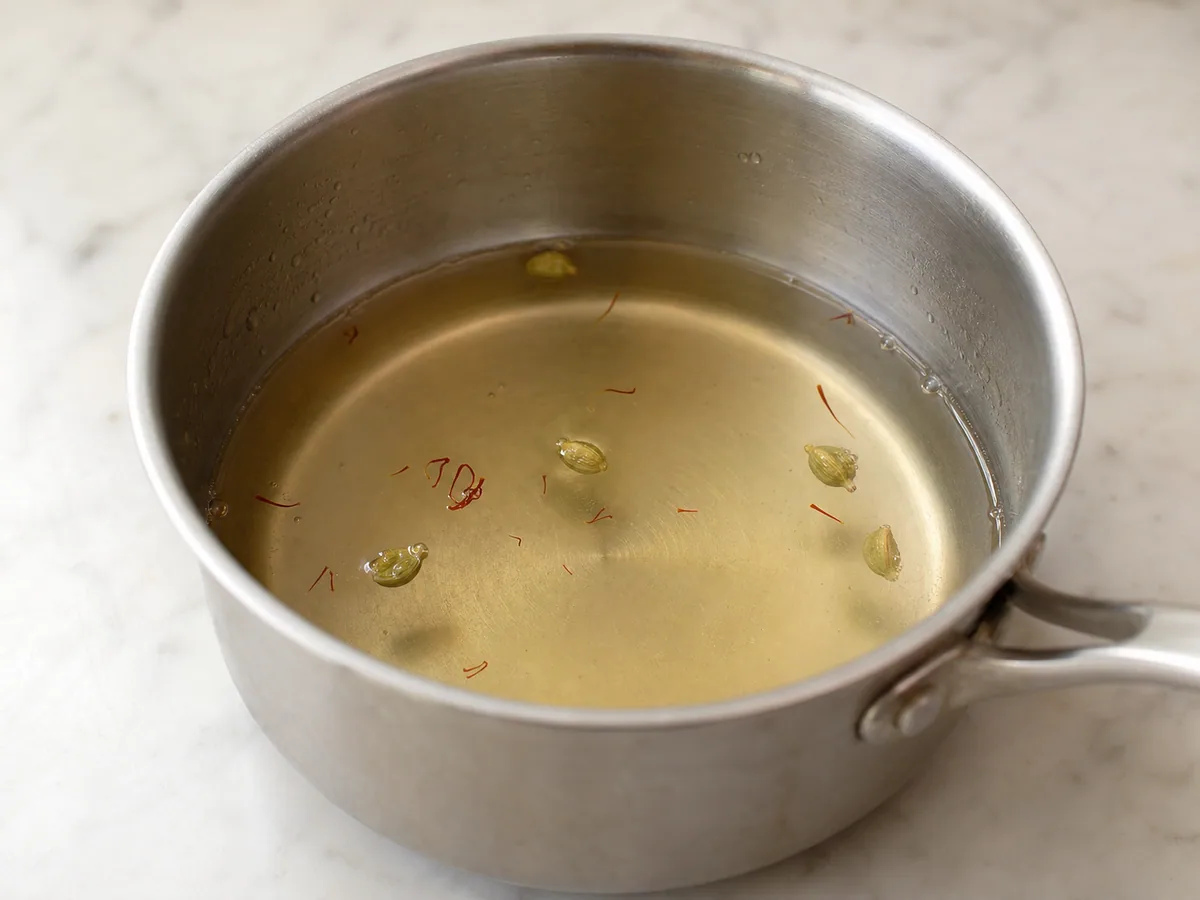
Combine 250 g of granulated sugar, 300 ml of water, 1 1/2 g of ground cardamom for syrup, and 5 ml of fresh lemon juice in a wide saucepan. Set over medium heat and stir only until the sugar dissolves. Let the syrup simmer gently for 5 minutes; it should remain fluid and lightly tacky, not reach a thread stage. Remove from the heat, stir in 5 ml of rose water, and cover. Keep the syrup warm while preparing the jamuns, warming it again over low heat if necessary without letting it boil.
05:00Mix a soft dough
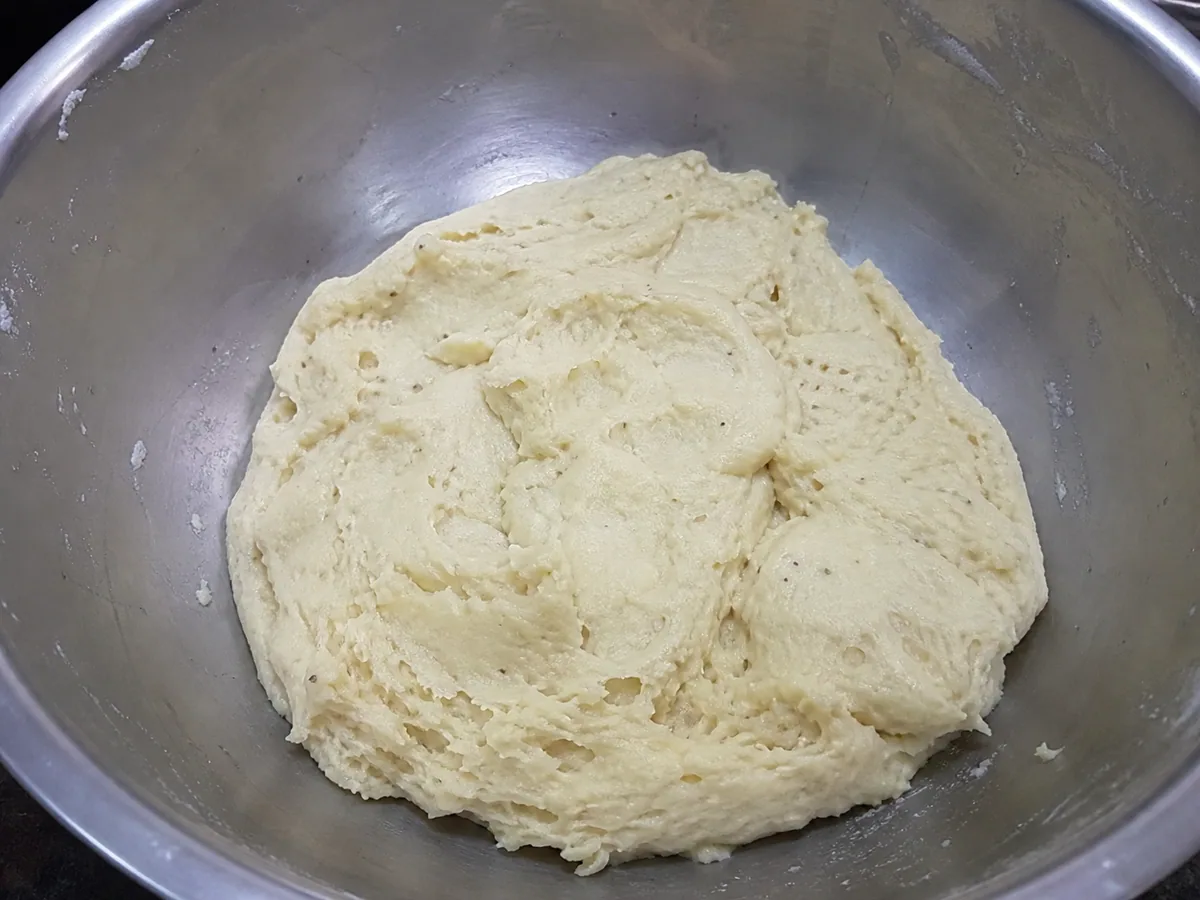
Whisk 120 g of whole milk powder, 30 g of all-purpose flour, 2 g of baking powder, and 1/2 g of ground cardamom for dough in a bowl until evenly combined. Add 15 g of ghee and rub it through the dry mixture with clean fingertips until no greasy pockets remain. Add 75 ml of whole milk gradually, folding with a flexible spatula just until a soft, slightly tacky dough forms. Do not knead. Cover the bowl and let the dough stand for 10 minutes so the flour and milk powder hydrate.
10:00Shape smooth jamuns
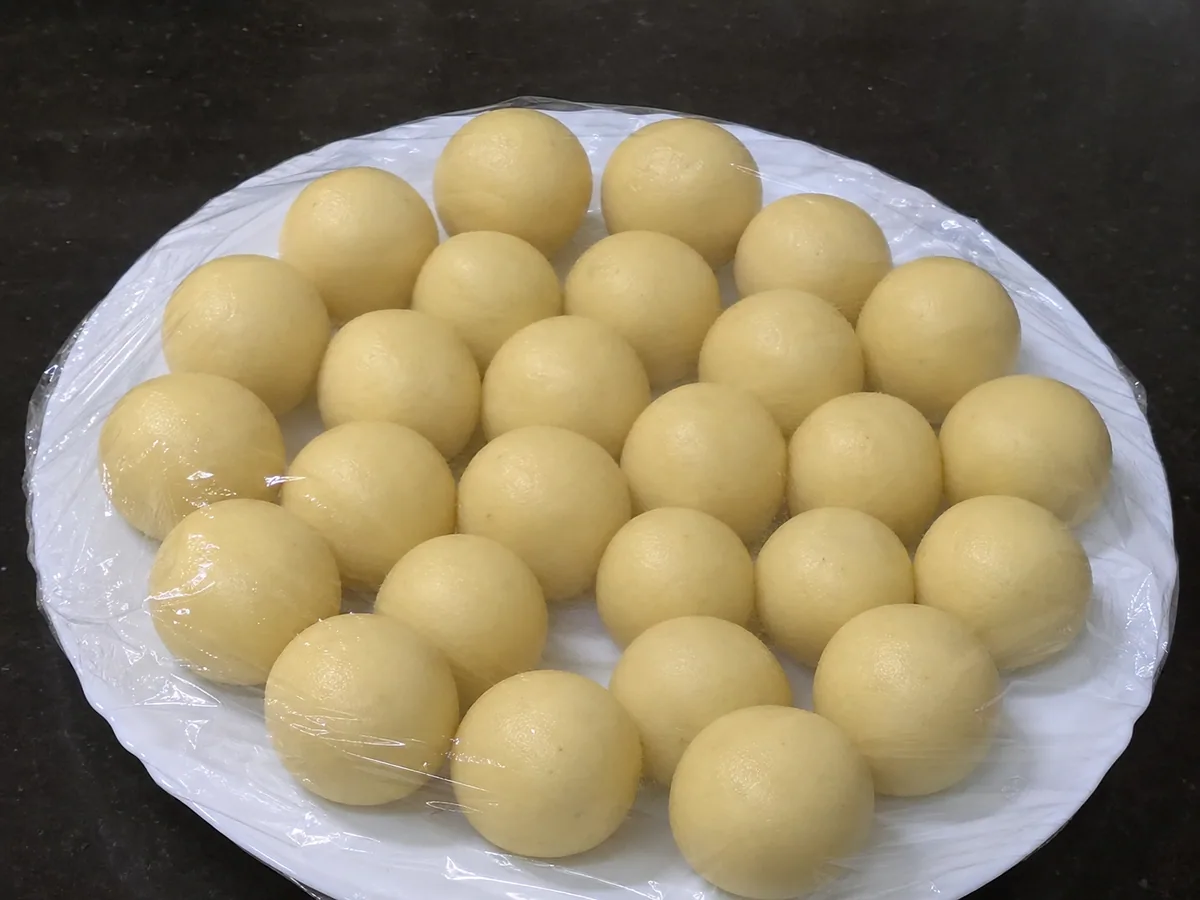
Lightly grease your palms with a few drops of 600 ml of neutral oil for frying. Divide the dough into small equal portions, aiming for four jamuns per serving. Roll each portion with gentle pressure into a smooth ball about 2.5 cm (1 in) wide. Seal every visible crack before frying; rough seams can split in the oil. Arrange the shaped balls on a lightly oiled plate and keep them covered only after checking that every surface is smooth.
Fry slowly and evenly
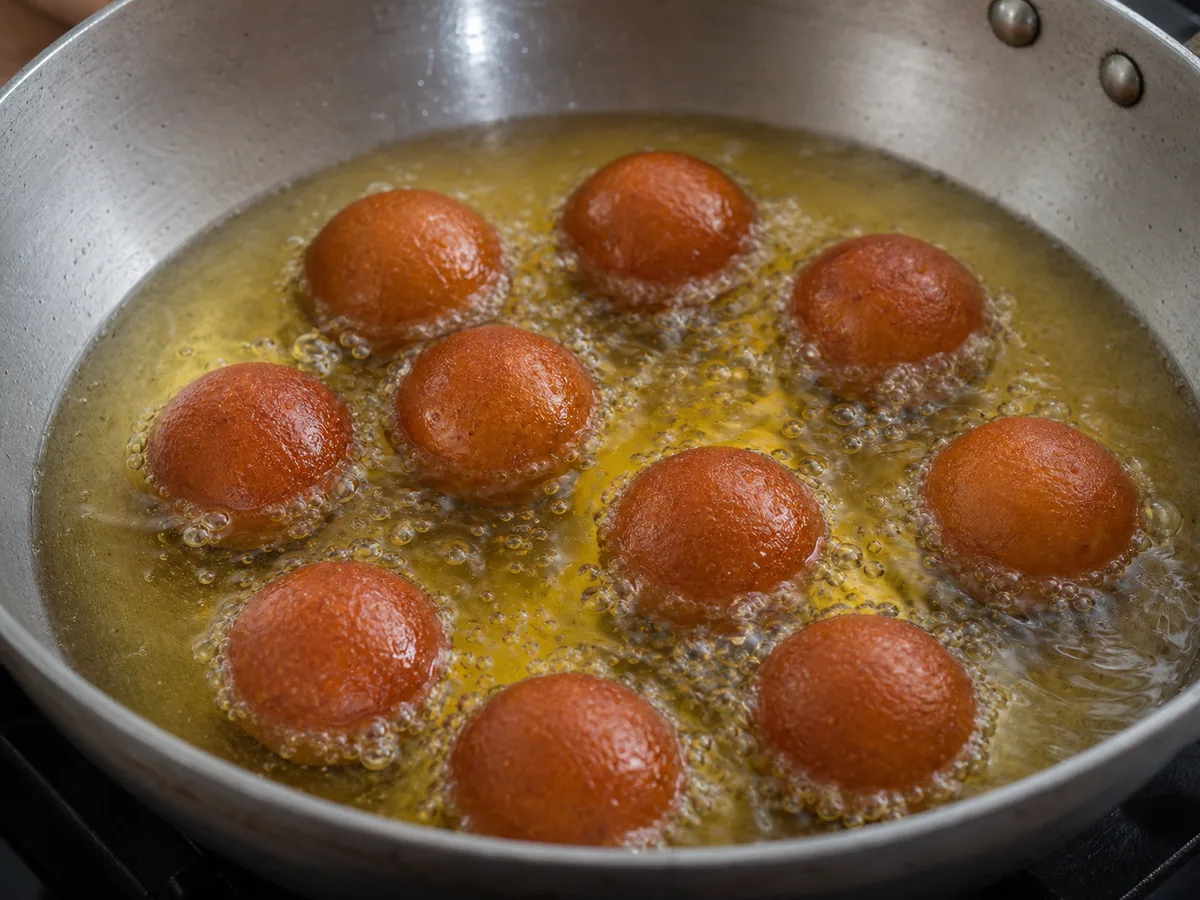
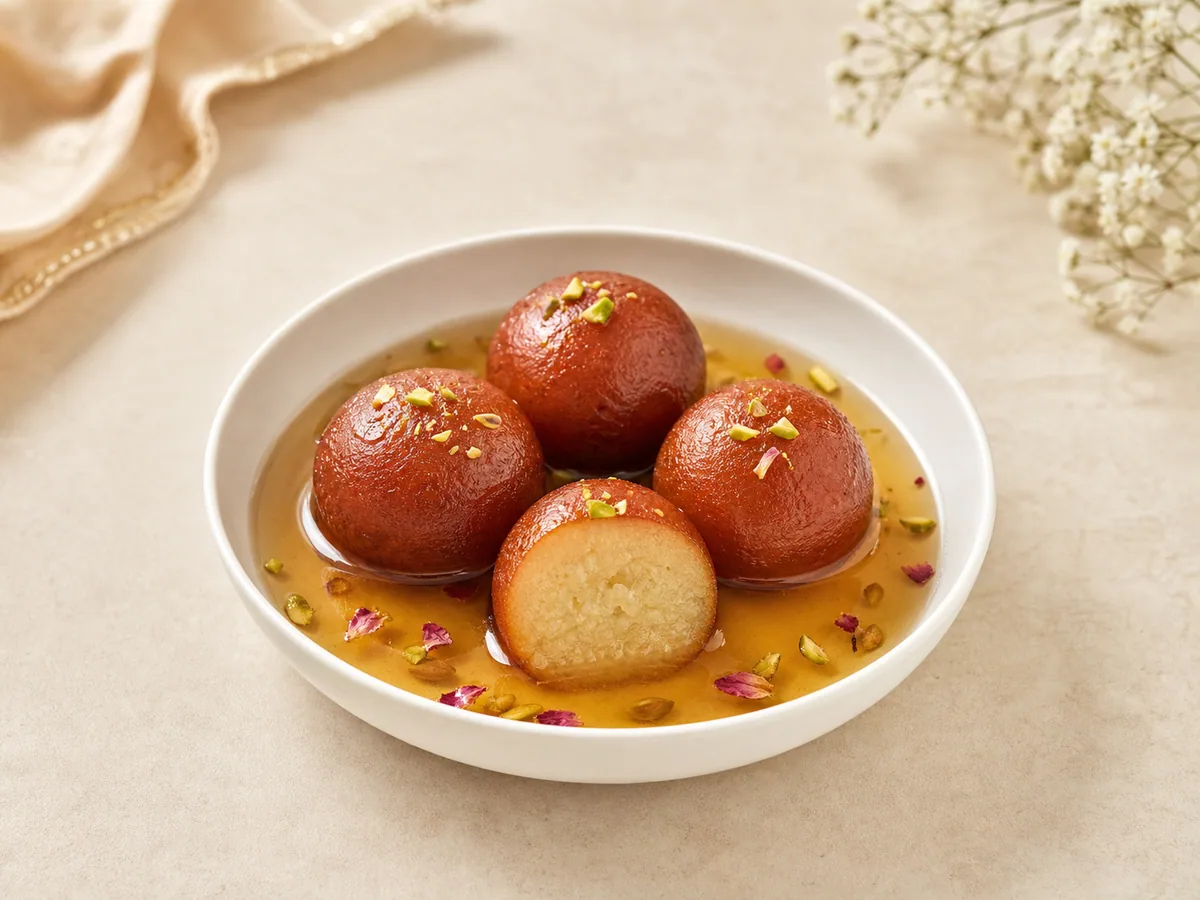
Pour 600 ml of neutral oil for frying into a deep, heavy saucepan, leaving ample headroom. Make sure the saucepan and utensils are completely dry, never leave the hot oil unattended, and heat to 145°C to 150°C (293°F to 302°F). Use a thermometer to keep the temperature in that range. Lower in 4 to 6 dough balls with a dry slotted spoon; they need room to move. Stir the oil gently around them so they rotate and color evenly. Fry each batch for 6 to 8 minutes, starting the timer as the batch enters and checking at 6 minutes. For the first batch, let one drained test jamun rest briefly, then cut it open with a knife: the center should be evenly cooked and tender, with no dense or pasty core. Remove the remaining jamuns when evenly deep golden-brown and cooked through, then let excess oil drain briefly. Allow the oil to return to temperature before adding the next batch.
06:00Soak until tender
Transfer the hot fried jamuns directly into the warm syrup; the syrup should feel hot but must not be boiling. Spoon syrup over the tops, cover, and let them soak for 60 minutes, turning them gently once halfway through. Serve warm or at room temperature. Chop 15 g of pistachios and scatter them over the bowl.
60:00


Smart Substitutions
- No ghee? Use unsalted butter (optional substitute for ghee) in the dough; the flavor will be less nutty but the texture remains tender.
- No rose water? Use orange blossom water (optional substitute) for a different floral note, or omit the floral water and let cardamom lead the syrup.
- No pistachios? Finish with almonds (optional garnish) or cashews (optional garnish), or serve the jamuns without a garnish.
- Only low-fat milk powder available? Use low-fat milk powder (optional substitute) in place of the whole milk powder. Add the measured whole milk cautiously because the dough may become firm sooner; the finished jamuns will be slightly less rich.
Tips and Variations
- Test one small dough ball first. It should rise gradually and turn golden over several minutes rather than darkening at once.
- Handle the dough lightly; vigorous kneading develops the flour and can make the centers tight instead of soft.
- Keep the syrup warm and fluid when the jamuns enter it so the liquid can move into the crumb evenly.
What Went Wrong?
- Jamuns are dark outside but firm inside The oil was too hot. Lower it to 145°C to 150°C (293°F to 302°F), fry an uncrowded test batch slowly, and cut open one rested test jamun to confirm a tender, evenly cooked center before continuing.
- Jamuns crack while frying The portions were not sealed smoothly or the dough had not hydrated fully. Let the remaining dough stand a little longer, then reroll each portion gently until every surface is smooth and seam-free before testing one ball.
- Jamuns collapse in the oil The dough was over-hydrated or overworked. Do not add more flour to the current batch, which can create dense centers; remake the dough with carefully measured ingredients, add the milk gradually, and test one ball before shaping the rest.
- Jamuns do not absorb syrup The syrup may have been over-concentrated or allowed to boil after the rose water was added. Remake it with the listed sugar and water quantities, stop after the 5-minute gentle simmer, and keep it warm and free-flowing while the jamuns soak.
Nutrition Estimate
- Fiber: 0.8 g per serving
- Sodium: 170 mg per serving
Nutrition disclaimer:This recipe is provided for general cooking information only. Nutrition values are estimates and may vary by ingredients, brands, preparation methods, and serving sizes. Check ingredient labels and follow appropriate food-safety practices. This content is not medical, dietary, allergy, or professional food-safety advice.
FAQ
Found an error or have a suggestion?
Help us improve this recipe. Send us your feedback and include the recipe name so we can take a look.