Method
Prepare the rye sour
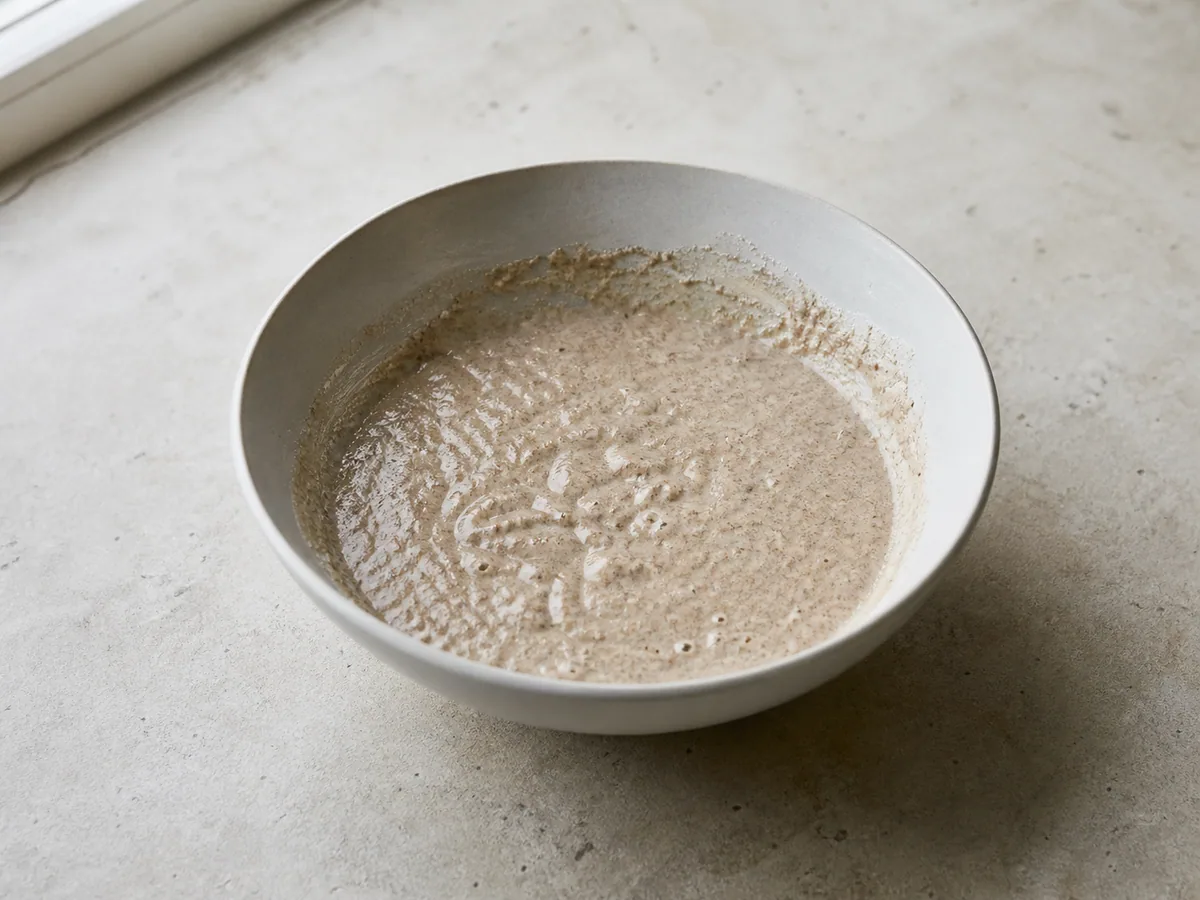
In a medium bowl, stir 30 g of active rye sourdough starter, 50 g of whole-grain rye flour, and 50 ml of water for rye sour into a stiff paste. Cover and ferment at 20–22°C (68–72°F) for 16 hours. The ripe sour should smell pleasantly tangy and show small bubbles across the surface; if it remains flat and inactive, refresh the starter and begin again.
16:00:00Cook the rye berries
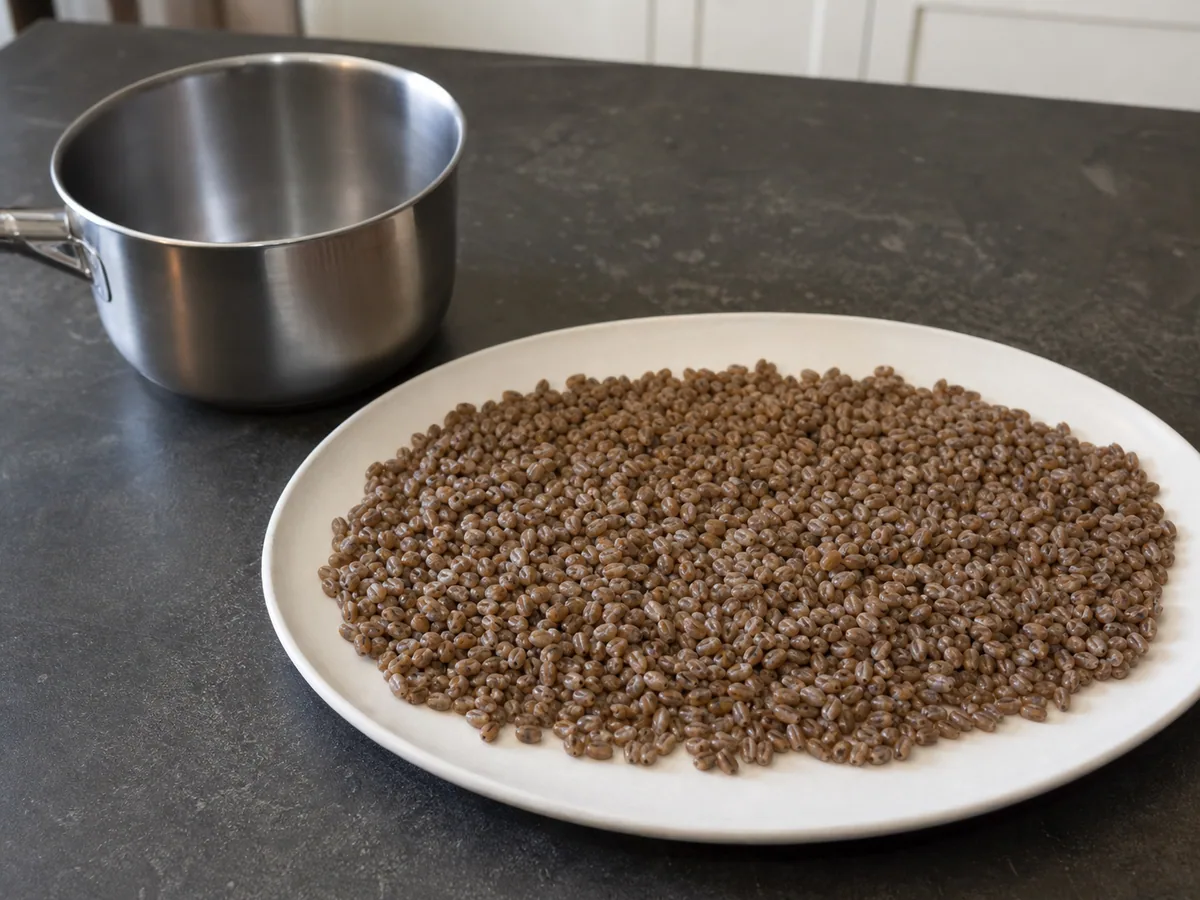
Pour 720 ml of water for cooking rye berries into a small saucepan and bring it to a boil. Stir in 100 g of whole rye berries, return to a boil, then reduce the heat to a gentle simmer. Cook for 45 to 60 minutes, beginning the first check at 45 minutes, until a berry crushes easily between two spoons but still holds its shape. Drain thoroughly.
00:45:00Cool the rye berries
Spread the cooked rye berries in a thin layer on a large plate. Let them cool for 30 minutes until barely warm and no longer steaming, then use them immediately in the dough.
00:30:00Mix the rye dough
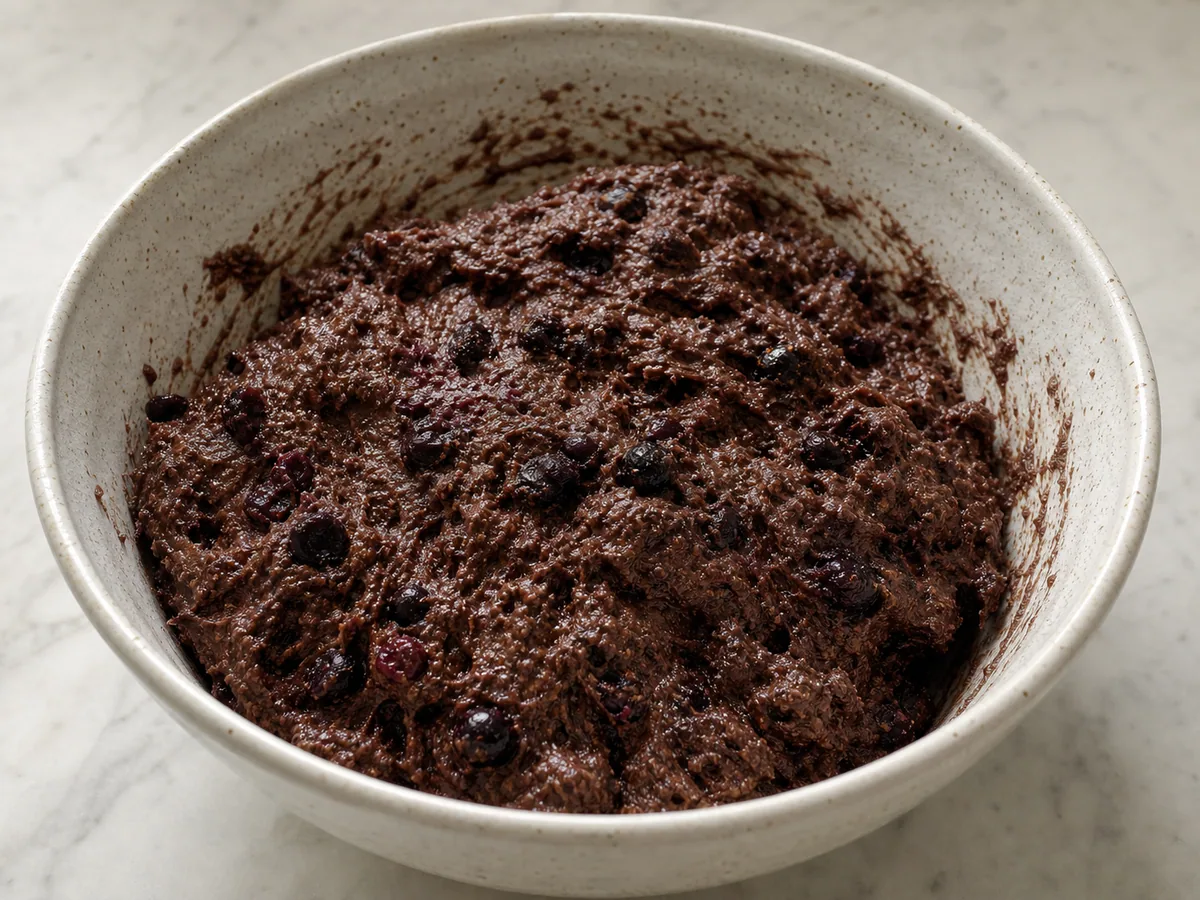
Scrape the ripe rye sour into a large bowl. Add the cooked rye berries, 400 g of coarse whole-grain rye meal, 350 ml of water for dough, 20 g of dark sugar beet syrup, and 10 g of fine sea salt. Mix firmly with a sturdy spoon for 5 minutes, scraping the bowl often, until no dry rye meal remains. The dough should resemble a thick, sticky paste that holds a mound but slowly spreads under pressure.
00:05:00Rest the rye dough
Cover the bowl and rest the dough for 30 minutes. It will remain sticky and dense but should look evenly hydrated, with no dry rye meal around the edges.
00:30:00Fill the pan and proof
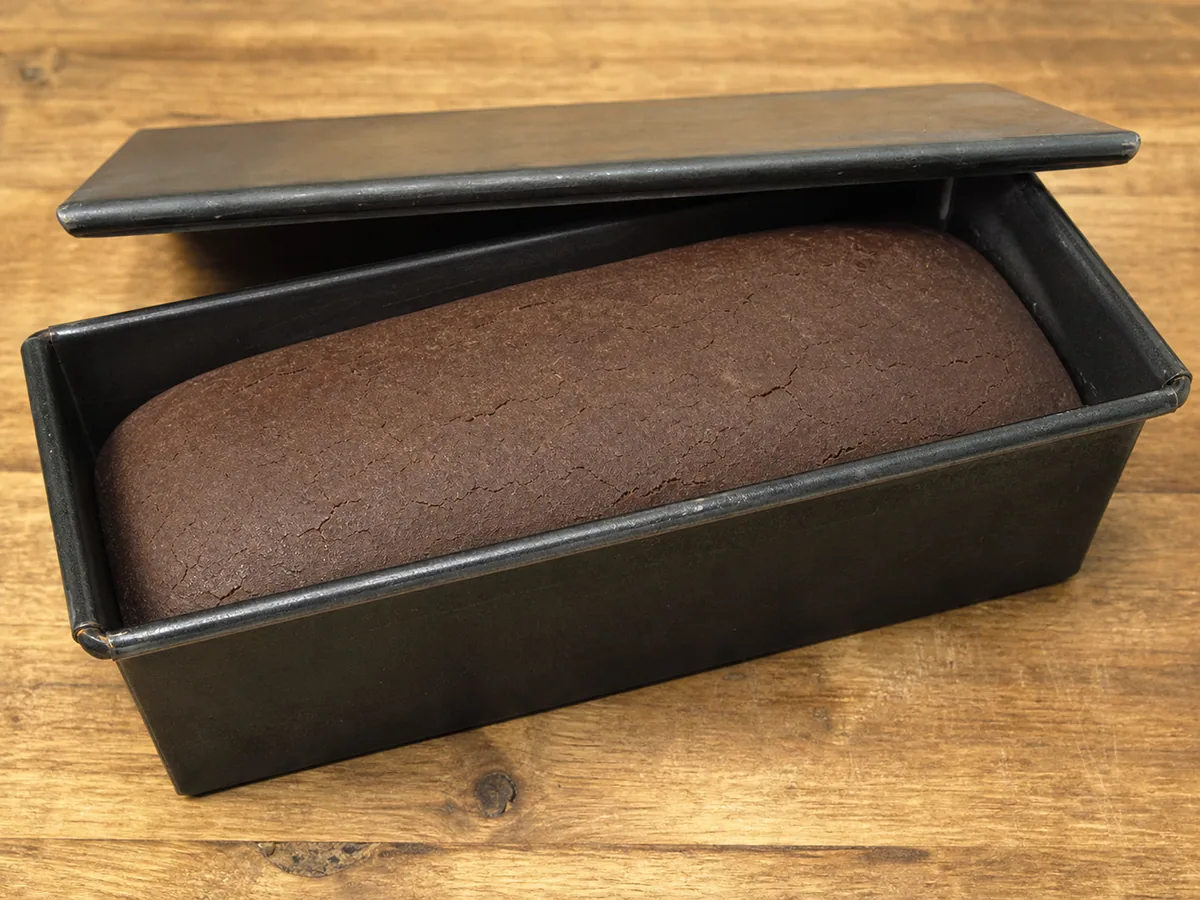
Brush 5 ml of sunflower oil inside a lidded 23 x 13 cm (9 x 5 in) loaf pan (for 8 servings). For a scaled batch, choose a covered pan that preserves a similar dough depth rather than scaling the dimensions directly. Pack the dough firmly into the pan, pressing it into the corners to remove air pockets, then smooth the surface with a wet spatula. Cover with the lid; if the pan has no lid, seal it tightly with two layers of heavy foil. Proof at about 24°C (75°F) for 2 1/2 to 3 hours, beginning the first check at 2 1/2 hours, until the dough has risen by roughly one-third and fine cracks appear on top.
2:30:00Start the covered bake
Heat the oven to 150°C (300°F). Set the tightly sealed loaf pan on a rimmed baking sheet to catch any drips. Bake on the lower-middle rack for 1 hour without opening the pan.
1:00:00Bake low and slow
Reduce the oven to 110°C (230°F) and continue baking for 15 hours, giving the loaf a full 16-hour sealed bake. Keep the pan fully sealed throughout; trapped steam protects the dense rye crumb while the grain develops its deep color and rounded, malty aroma.
15:00:00Rest in the switched-off oven
Turn off the oven and leave the sealed pan inside for 1 hour. Remove the pan, then open it carefully with the opening facing away from you because hot steam may escape.
01:00:00Set the crumb
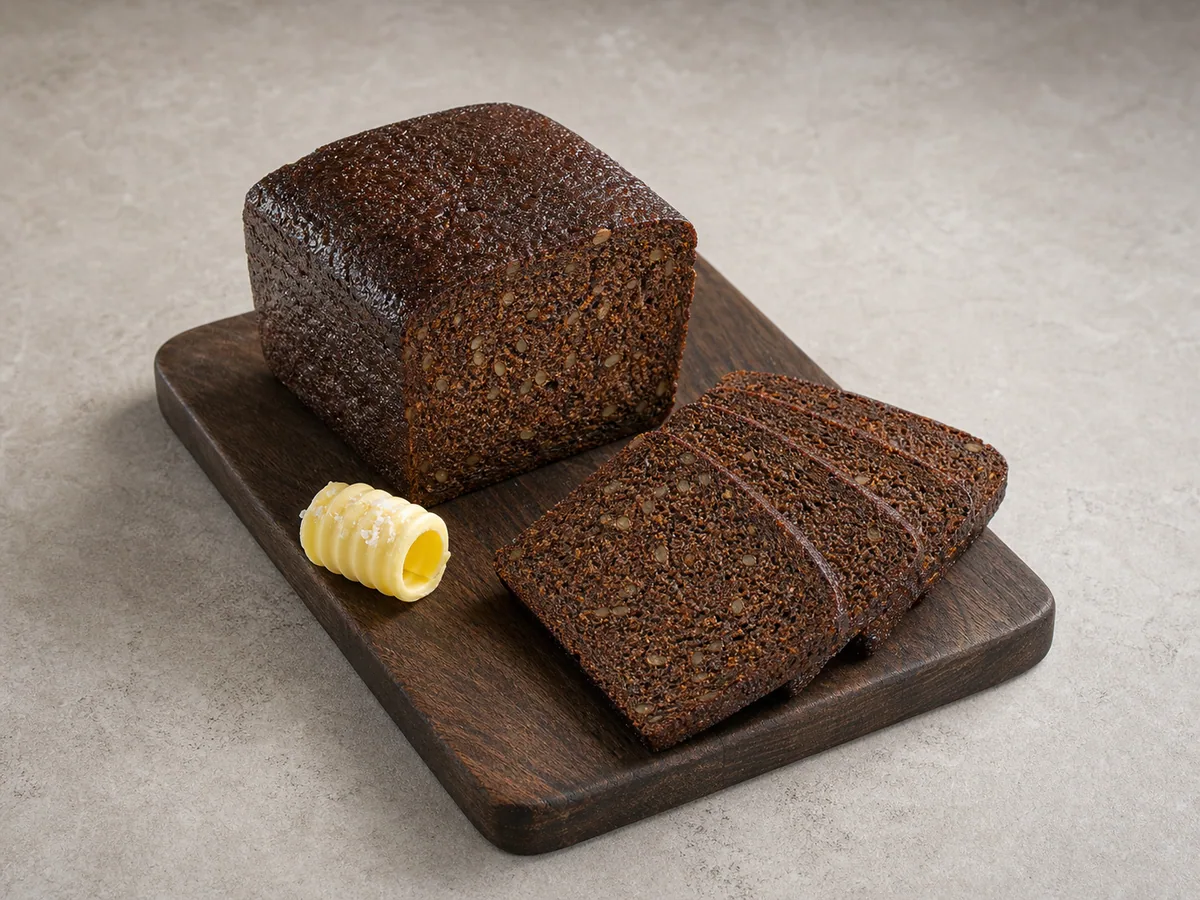
Unmold the loaf onto a rack, cover it loosely with a clean kitchen towel, and let it stand undisturbed for 24 hours so the moist rye crumb can firm before slicing.
24:00:00Slice and serve
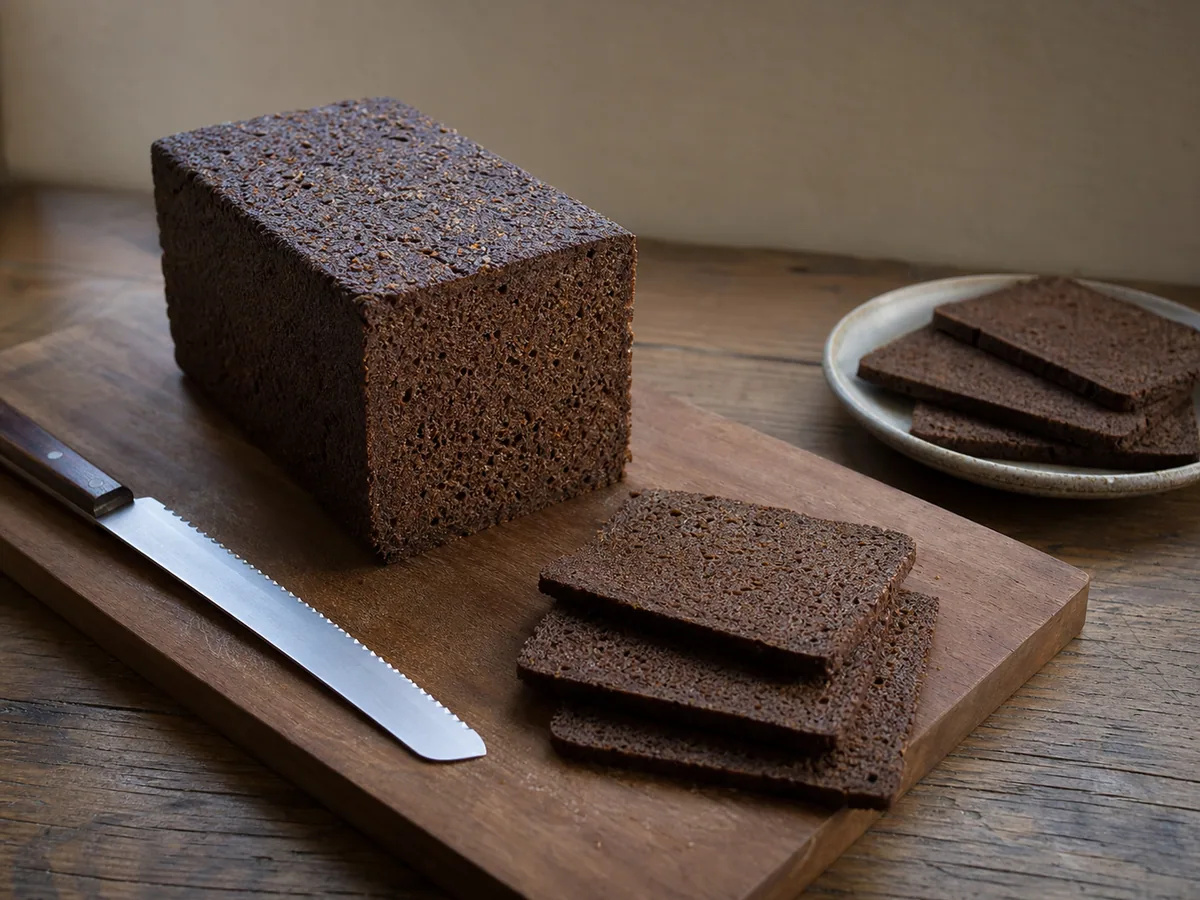
Cut the fully set loaf into thin slices with a serrated knife and serve with salted butter (optional).


Smart Substitutions
- No sugar beet syrup? Use unsulfured molasses or dark maple syrup for a similar touch of sweetness.
- No coarse rye meal? Pulse whole rye berries in a grain mill or sturdy blender until coarsely broken, or combine rye chops with whole-grain rye flour.
- No lidded loaf pan? Use a standard metal loaf pan and seal it tightly with two layers of heavy foil so steam cannot escape.
- Want a milder sour note? Use a recently fed starter at peak activity and do not extend the rye sour beyond the stated 16-hour fermentation.
Tips and Variations
- Weigh the rye and water when possible; an all-rye paste changes noticeably with small hydration differences.
- Press the dough into the pan in several additions so hidden air pockets do not become holes in the finished slices.
- Keep the pan sealed for the entire bake; even a small steam leak can leave the edges dry before the center sets.
What Went Wrong?
- Loaf is pale and tastes flat The seal may have leaked or the low bake may have ended early. Check the lid or foil before the next bake and complete the full 15-hour low-temperature stage.
- Crumb smears when sliced Let the loaf complete the full 24-hour standing period, then use a thin serrated knife with gentle sawing strokes.
- Dry pockets appear inside Mix until every speck of rye meal is hydrated and pack the paste firmly into the pan, especially at the corners.
- Rye sour shows no bubbles The starter may not have been active enough or the room may have been too cool. Feed the starter until vigorous before beginning again.
Nutrition Estimate
- Fiber: 11 g per serving
- Sodium: 495 mg per serving
Nutrition disclaimer:This recipe is provided for general cooking information only. Nutrition values are estimates and may vary by ingredients, brands, preparation methods, and serving sizes. Check ingredient labels and follow appropriate food-safety practices. This content is not medical, dietary, allergy, or professional food-safety advice.
FAQ
Found an error or have a suggestion?
Help us improve this recipe. Send us your feedback and include the recipe name so we can take a look.