Method
Cook the potatoes
Peel 600 g of russet potatoes and cut them into 3 cm (1 1/4 in) chunks. Put them in a large pot, cover with cold water by 2.5 cm (1 in), and add 6 g of fine salt for cooking potatoes. Bring to a boil, reduce to a steady simmer, and cook for 15 to 18 minutes, checking at 15 minutes, until a knife slides through the centers without resistance. Drain well.
15:00Dry and mash the potatoes
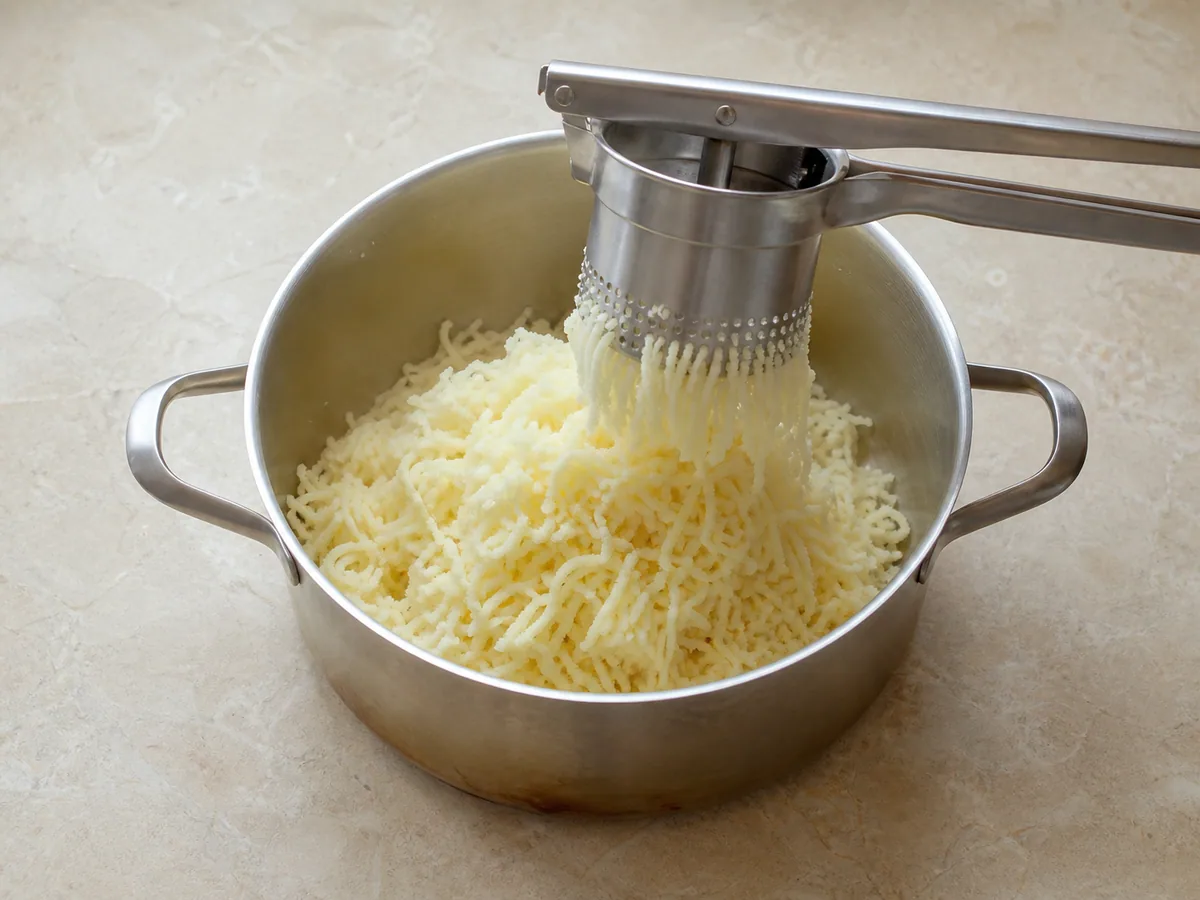
Return the drained potatoes to the warm pot and shake them over low heat for about 2 minutes to drive off surface moisture. Press them through a ricer or mash until smooth and fluffy, then remove the pot from the heat.
02:00Brown the onion in butter
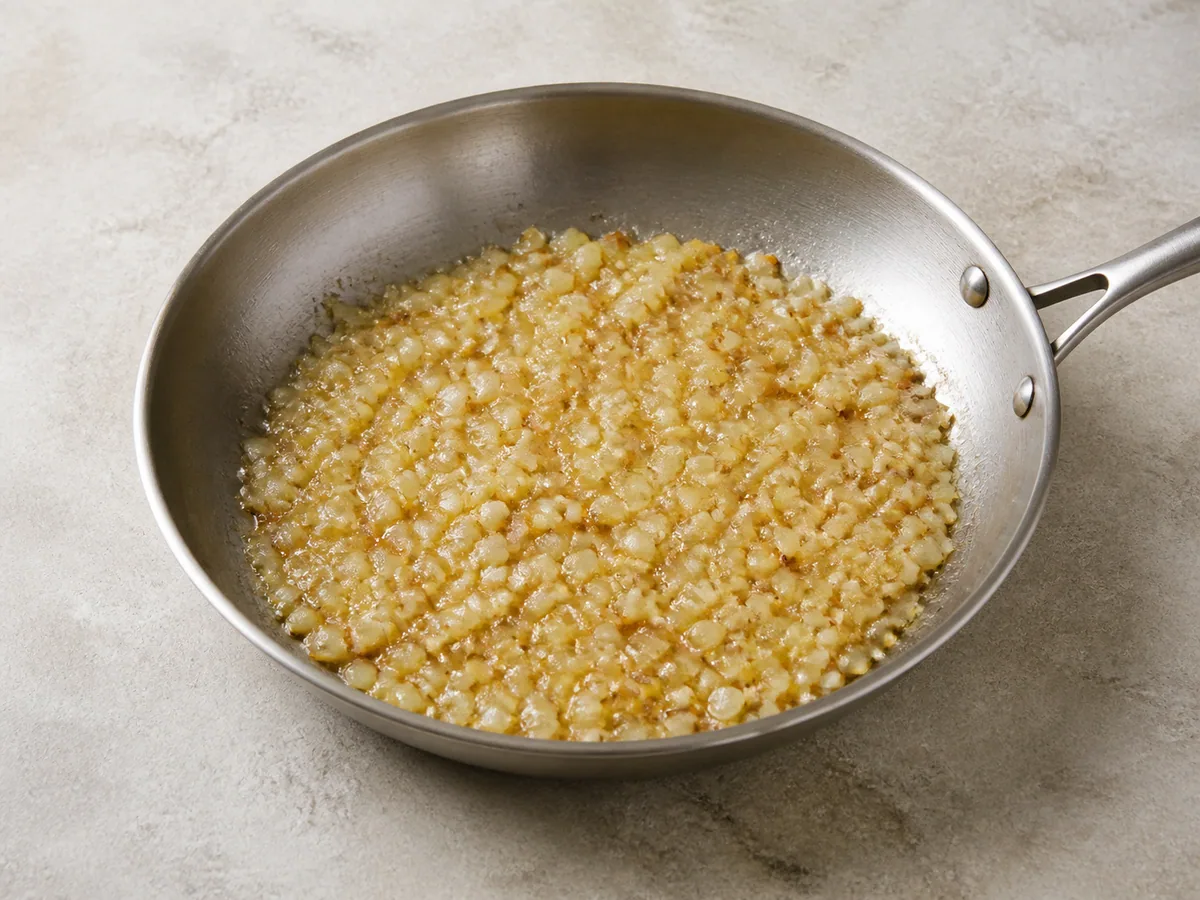
Dice 200 g of yellow onion. Melt 60 g of unsalted butter in a wide skillet over medium-low heat, add the onion, and cook for 10 to 12 minutes, stirring often, until soft and deep golden at the edges. Lower the heat if the butter begins to darken quickly. Transfer half of the onion-butter mixture to the pot with the potatoes and leave the rest in the skillet off the heat for serving.
10:00Mix and cool the filling
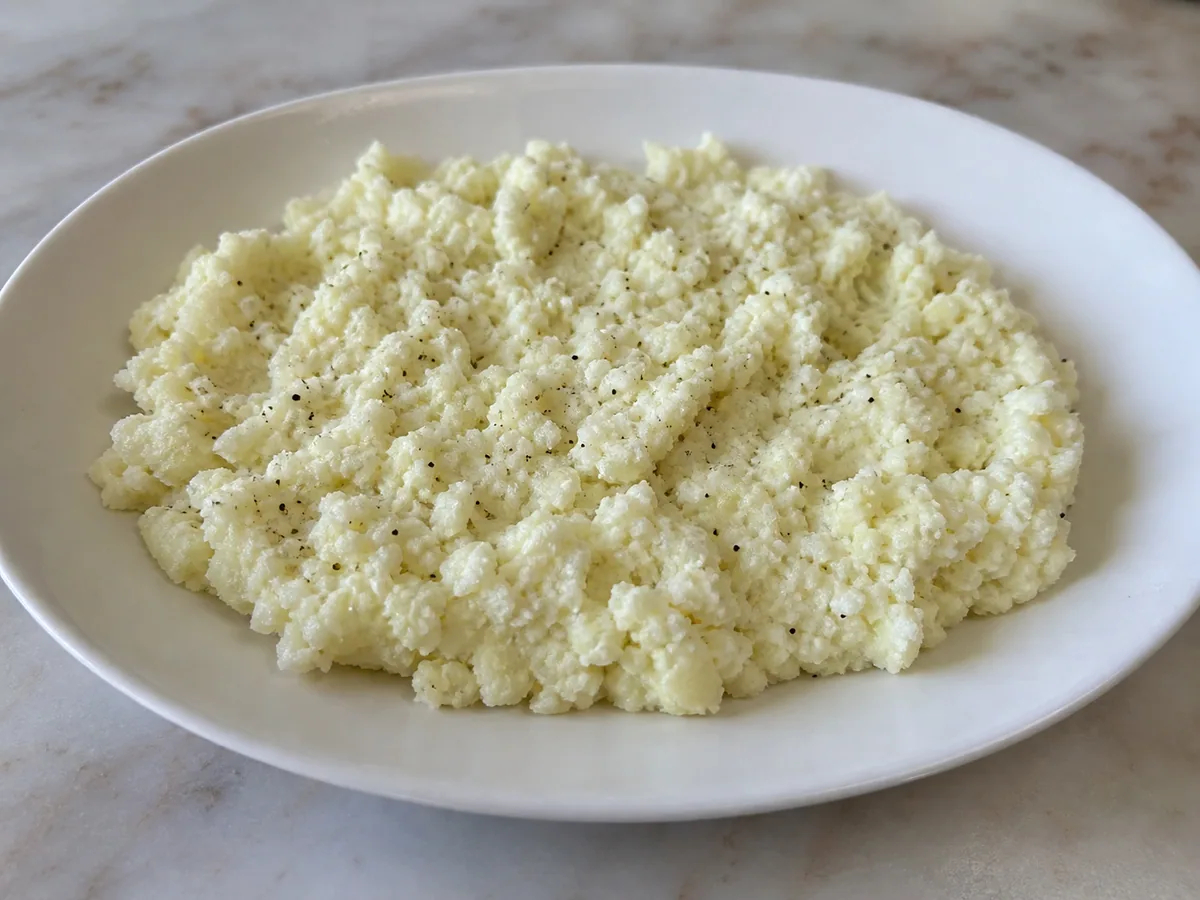
Crumble 300 g of farmer cheese or full-fat twaróg into the potatoes and onion. Add 3 g of fine salt for filling and 2 g of black pepper, then fold until the cheese is evenly distributed and the mixture holds together when pressed. Taste and adjust the pepper before the filling goes into the dough. Spread the filling in a shallow layer and let it stand for about 20 minutes, until cool and firm enough to scoop cleanly.
20:00Mix and knead the dough
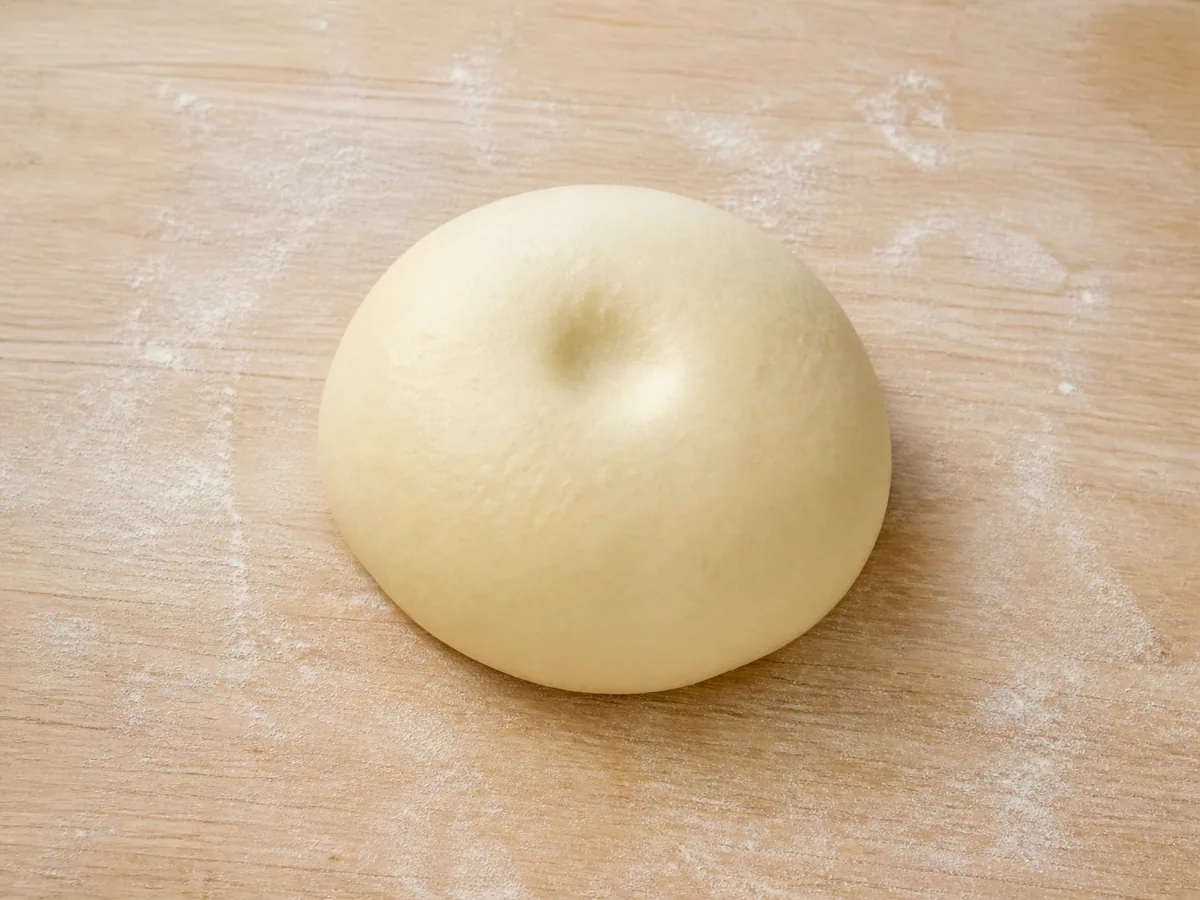
Put most of 400 g of all-purpose flour in a large bowl with 3 g of fine salt for dough, reserving a small handful of flour for rolling. Make a well in the center, add 1 large egg and about three-quarters of 180 ml of warm water, and stir from the center outward. Add the remaining water gradually until a soft, slightly tacky dough forms. Knead on a clean surface for 7 to 8 minutes, using only a light dusting of the reserved flour, until smooth and elastic.
07:00Rest the dough
Cover the dough with an inverted bowl and let it rest for 30 minutes so it relaxes and rolls without springing back.
30:00Roll, fill, and seal the pierogi
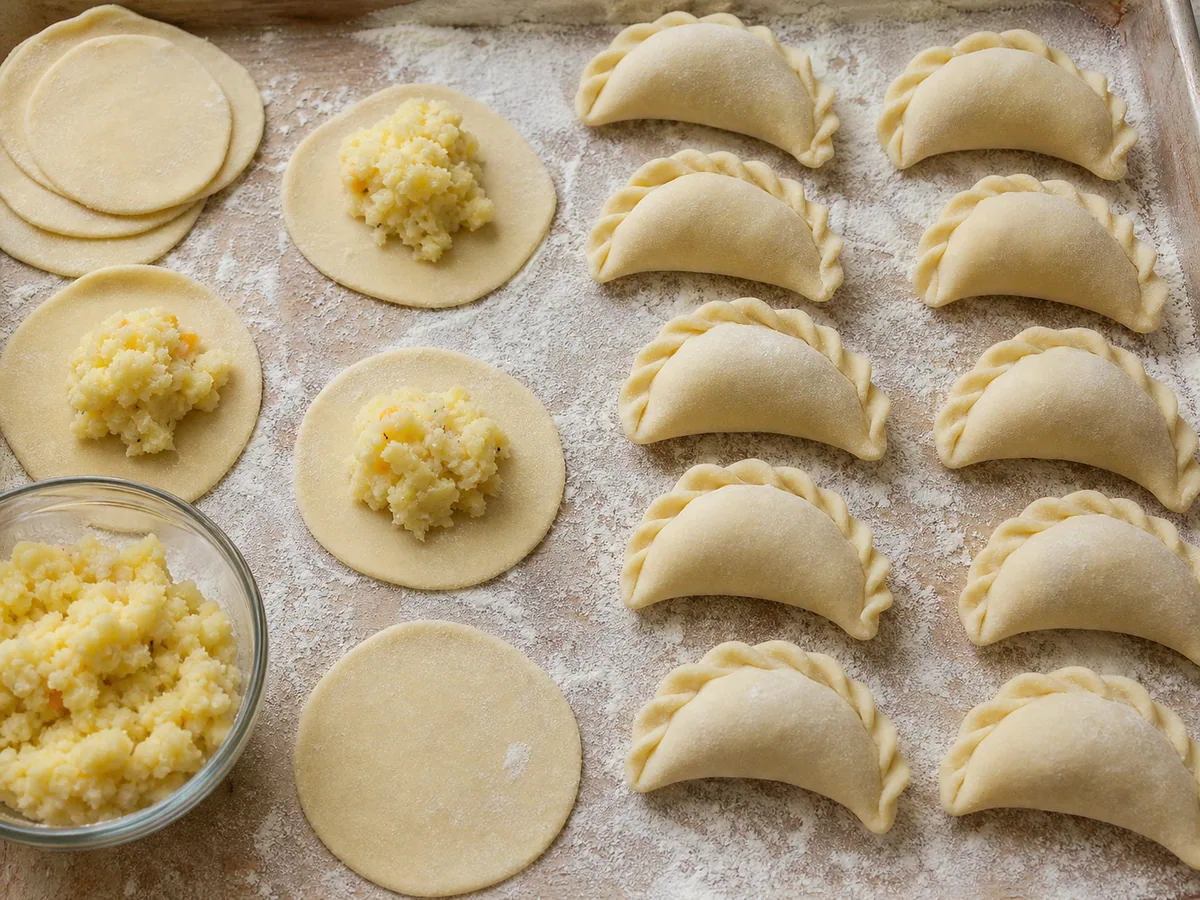
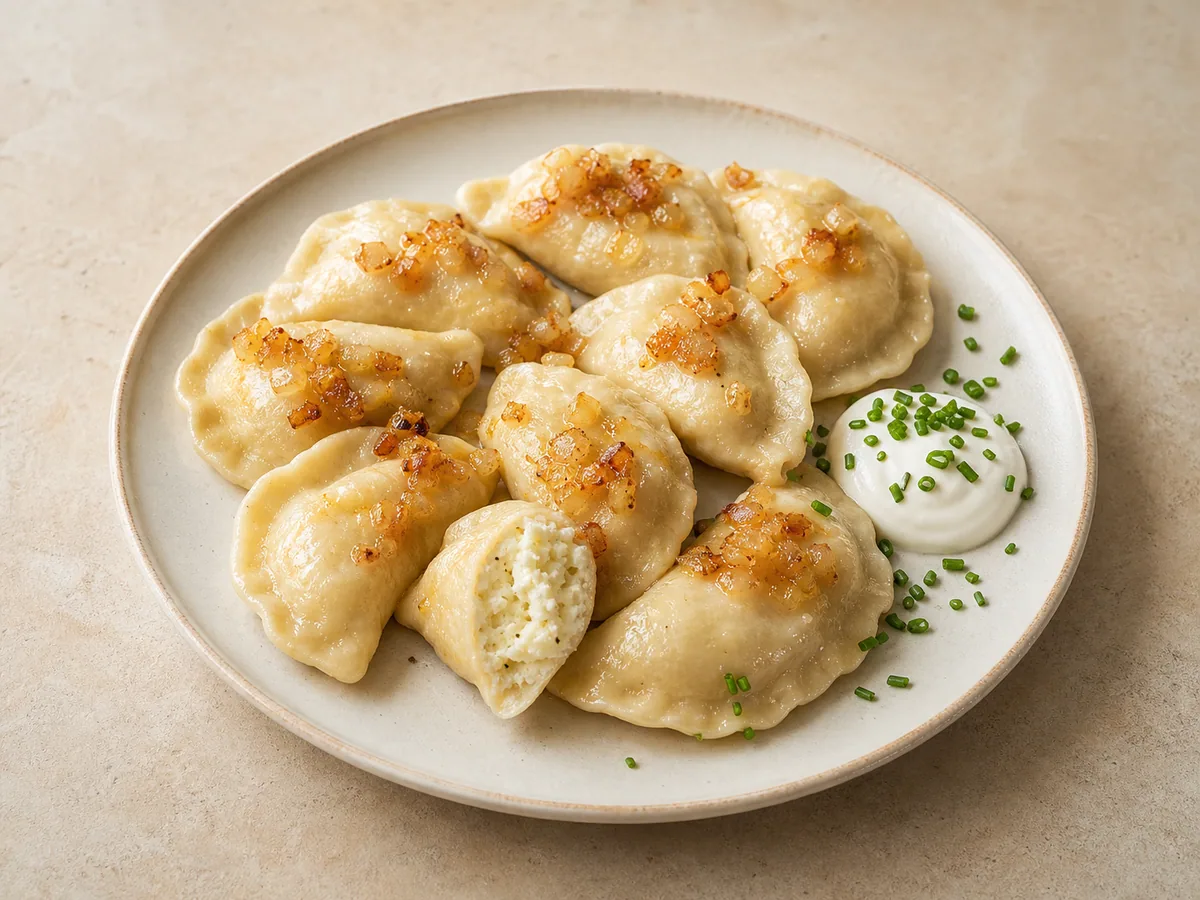
Divide the rested dough into four pieces and keep the unused pieces covered. Roll one piece on a lightly floured surface to about 2 mm (1/16 in) thick. Cut 8 cm (3 1/4 in) rounds, gather the scraps without overworking them, and cover them for the next roll. Place about 1 generous tablespoon (25 g) of filling in the center of each round. Lightly moisten one half of the edge with water, fold the dough over the filling, press out trapped air, and pinch the seam firmly from end to end. Arrange the shaped pierogi in a single layer on a lightly floured tray while you finish the remaining dough; the batch should make about 40.
Boil the pierogi in batches
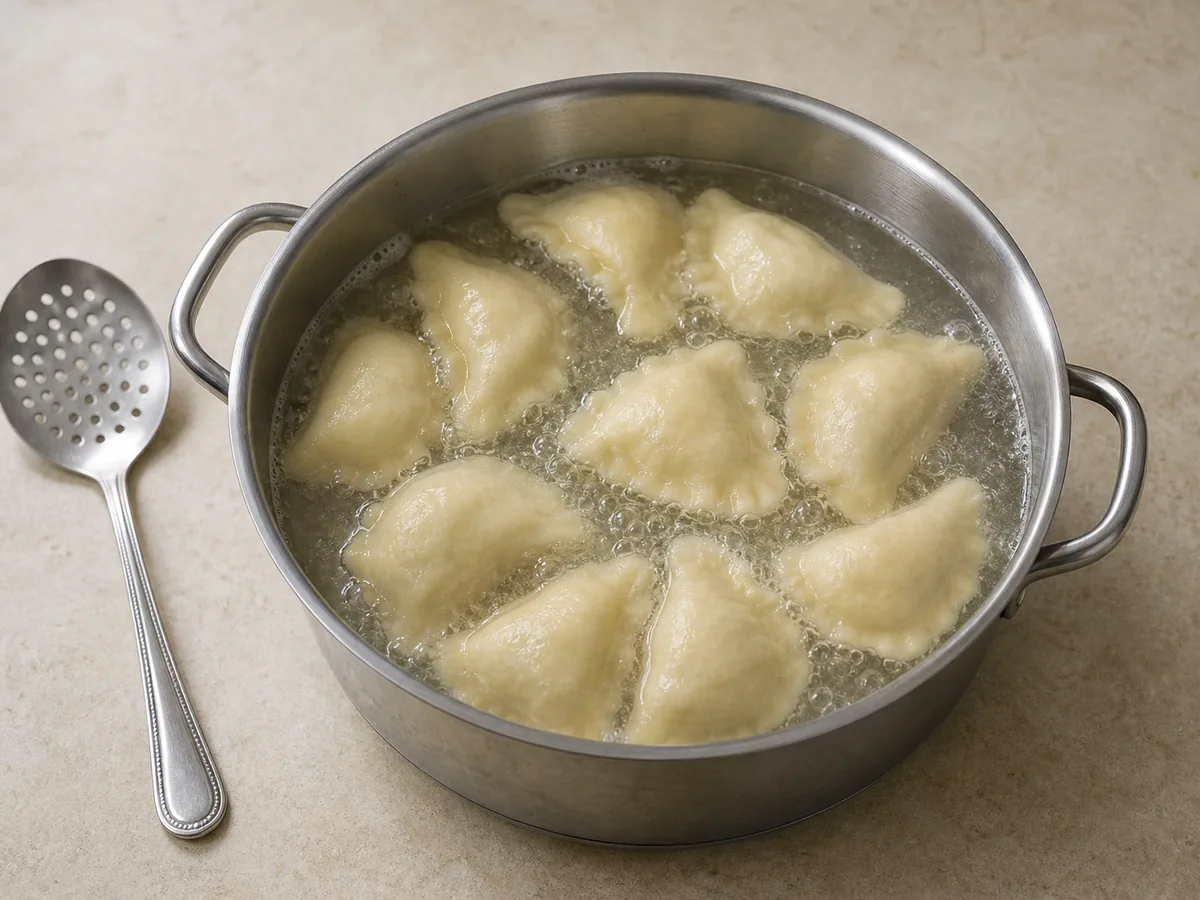
Bring a large pot of water to a gentle boil and add 6 g of fine salt for boiling pierogi. Lower 8 to 10 pierogi into the water at a time and stir once with a wooden spoon so they do not settle on the bottom. When they rise to the surface, cook for another 2 to 3 minutes, checking at 2 minutes; the dough should look slightly puffed and feel tender, with no chalky flour line at the seam. Lift them out with a slotted spoon and let excess water drain before cooking the next batch.
02:00Finish with golden onion and serve
Return the reserved onion-butter mixture to medium-low heat. Add the boiled pierogi in batches and turn them gently for 1 to 2 minutes, until glossy and warmed through, with a few pale golden spots. Transfer to a serving platter, spoon the onions over the top, and serve immediately with sour cream (optional) and fresh chives (optional).
01:00


Smart Substitutions
- No twaróg or farmer cheese? Use well-drained full-fat cottage cheese and pulse it briefly so the curds are finer.
- No russet potatoes? Use another floury potato, or use Yukon Gold potatoes and steam-dry them a little longer before mashing.
- Prefer an egg-free dough? Omit the egg and add 45 ml (3 tablespoons) extra warm water plus 1 tablespoon neutral oil.
- No sour cream? Serve with plain full-fat yogurt or crème fraîche for a similar cool, tangy contrast.
Tips and Variations
- Keep unused dough covered while rolling so the edges stay flexible enough to seal.
- Use enough black pepper for a clear warm bite; potato and fresh cheese soften its intensity.
- Maintain a gentle boil rather than a violent one so the pierogi move freely without tearing.
What Went Wrong?
- Dough springs back while rolling Cover it and let it rest for another 10 minutes so the gluten relaxes.
- Pierogi open in the pot Keep filling off the rim, press out trapped air, and pinch the seam twice before boiling.
- Filling feels loose The potatoes may be holding excess moisture; mix in a little more farmer cheese and let the filling stand until firm.
- Pierogi stick together Cook fewer at a time, stir once after adding them, and drain each batch well before finishing in the skillet.
Nutrition Estimate
- Fiber: 4 g per serving
- Sodium: 635 mg per serving
Nutrition disclaimer:This recipe is provided for general cooking information only. Nutrition values are estimates and may vary by ingredients, brands, preparation methods, and serving sizes. Check ingredient labels and follow appropriate food-safety practices. This content is not medical, dietary, allergy, or professional food-safety advice.
FAQ
Found an error or have a suggestion?
Help us improve this recipe. Send us your feedback and include the recipe name so we can take a look.