Method
Mix and knead the dough
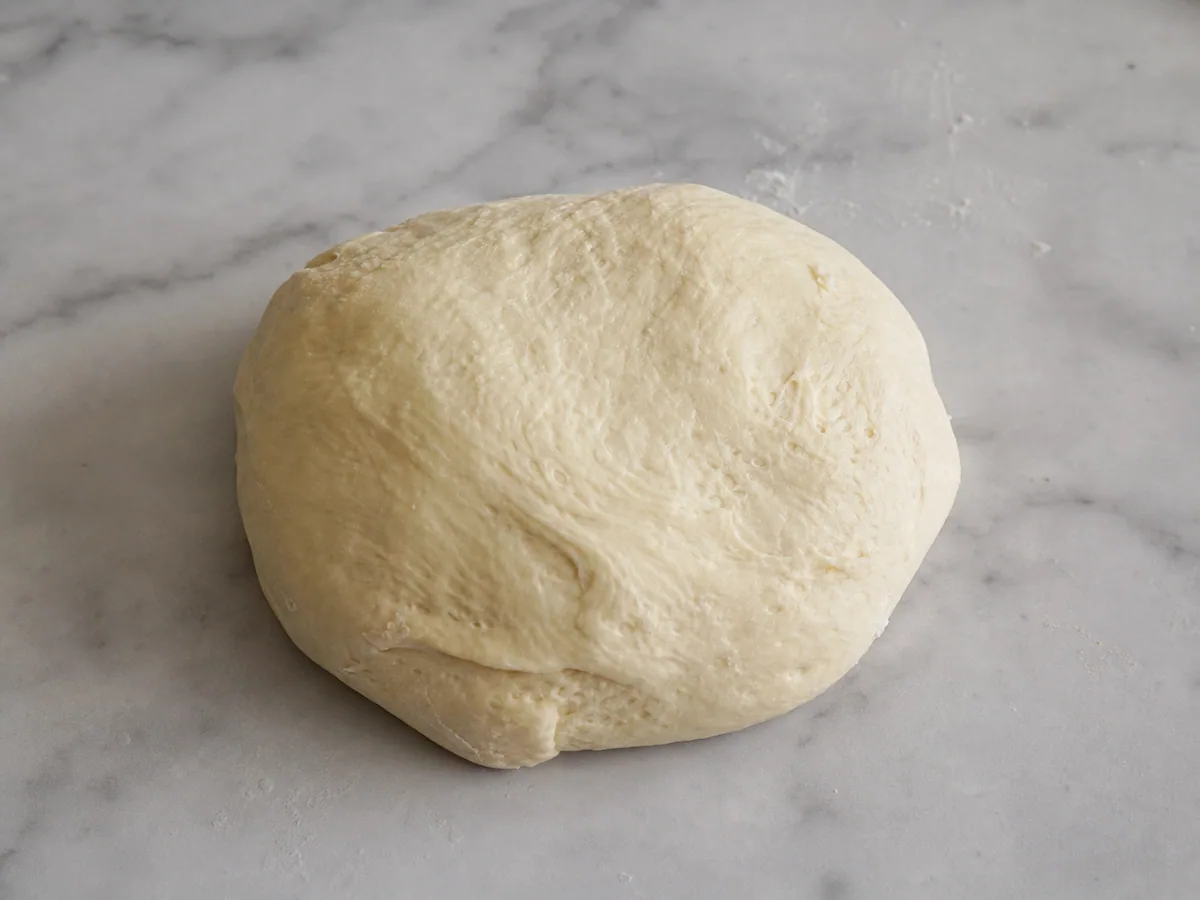
Combine 250 g of all-purpose flour, 150 g of fine durum wheat semolina for dough, 7 g of instant yeast, 8 g of granulated sugar, and 7 g of fine sea salt in a large bowl. Warm 260 ml of water to about 38°C (100°F), then add it with 15 ml of olive oil. Stir until no dry patches remain. Turn the dough onto a clean surface and knead for 8 to 10 minutes, until smooth, elastic, and slightly tacky. Add only a light dusting of all-purpose flour (optional, for kneading) if the dough clings heavily to your hands.
10:00Let the dough rise
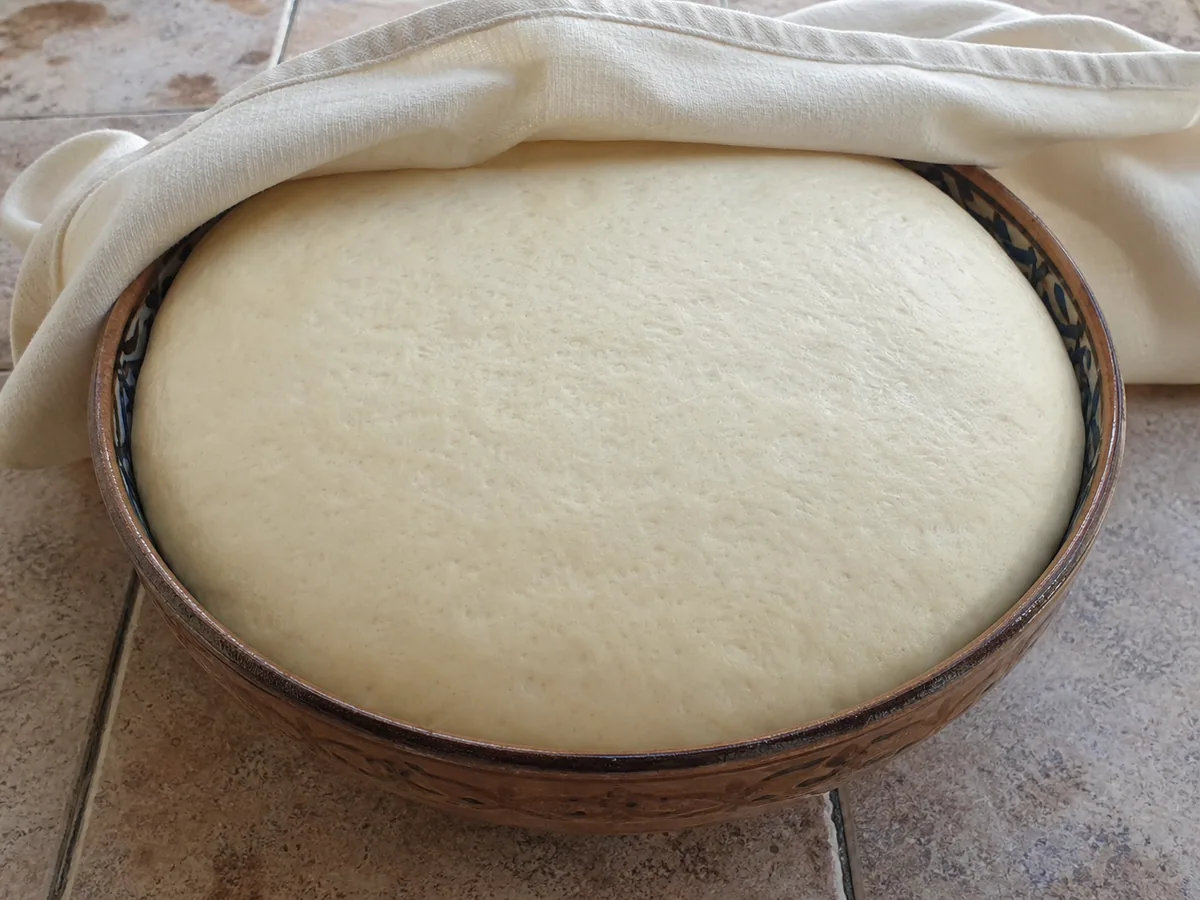
Shape the dough into a ball and place it in the bowl. Cover the bowl and let the dough rise in a warm, draft-free place for about 45 minutes, until visibly expanded and close to doubled. If the room is cool, allow more time and judge by volume rather than the clock.
45:00Shape and rest the rounds
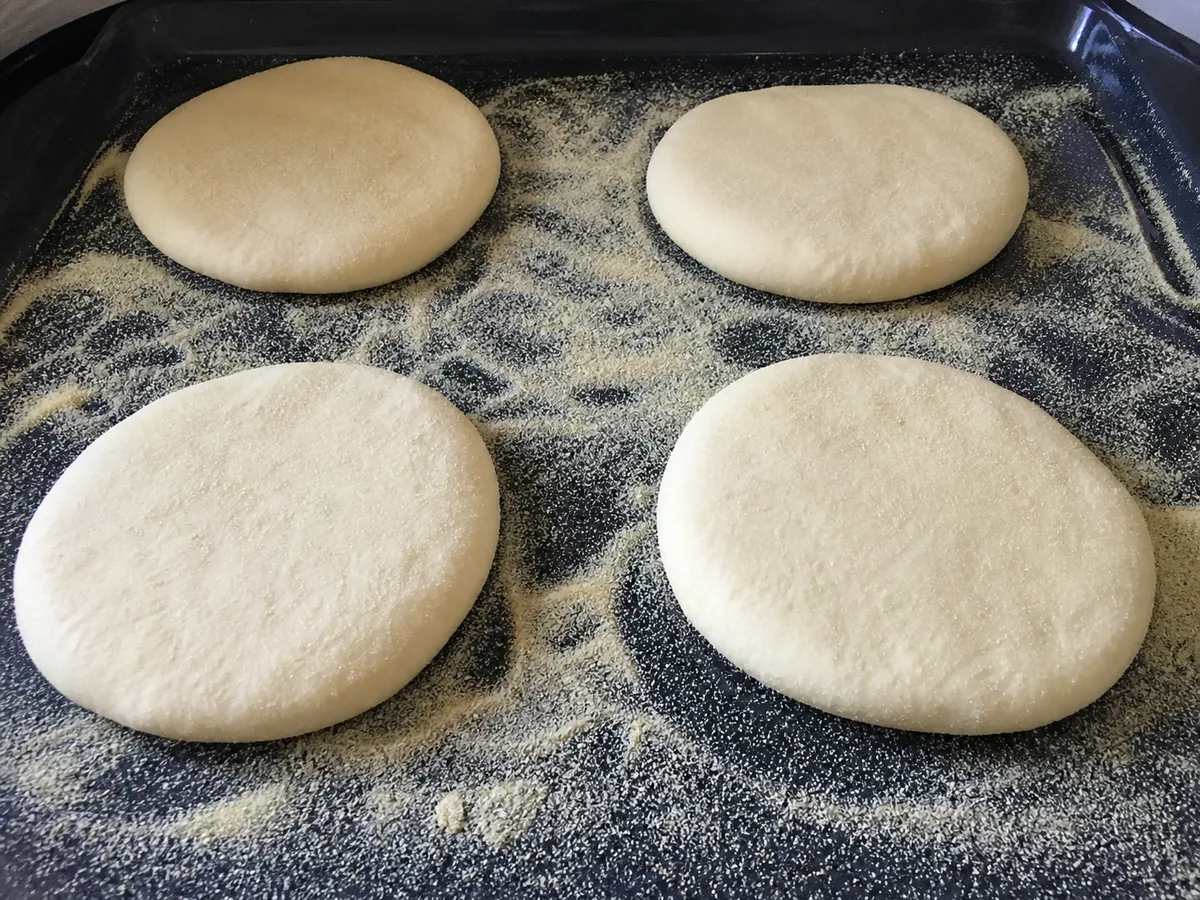
Spread 15 g of fine durum wheat semolina for dusting over the work surface and a tray. Divide the dough into two equal pieces per serving. Form each piece into a smooth ball, then roll it into a round about 10 cm (4 in) wide and 6 mm (1/4 in) thick. Set the rounds on the tray, cover them lightly, and rest for 15 minutes. They should look relaxed and slightly puffy, not fully risen.
15:00Cook the batbout on the griddle
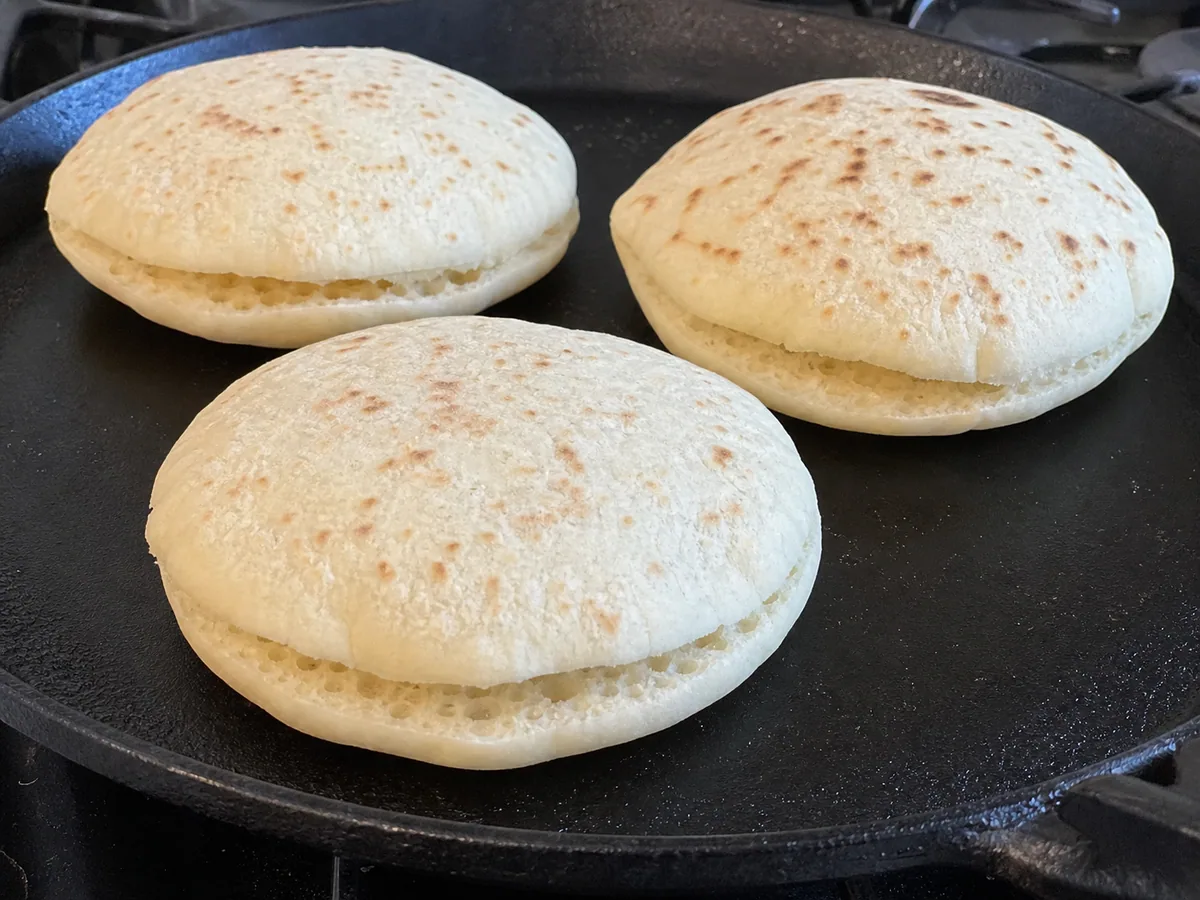
Heat a dry 25 cm (10 in) cast-iron skillet or heavy griddle over medium heat for several minutes. For the default 8 batbout, cook 2 rounds at a time in 4 batches, keeping the rounds from touching. Cook for 20 to 30 seconds, flip, and continue turning every 20 to 30 seconds for about 3 to 5 minutes total per batch. Press only obvious thick edges with a clean spatula; do not flatten the center. The batbout are ready when both sides have scattered brown spots, the edges feel set, and the centers have puffed or opened into a pocket. Lower the heat if dark spots form before the bread expands. Allow about 25 minutes total, including preheating and all four batches.
03:00Finish and serve
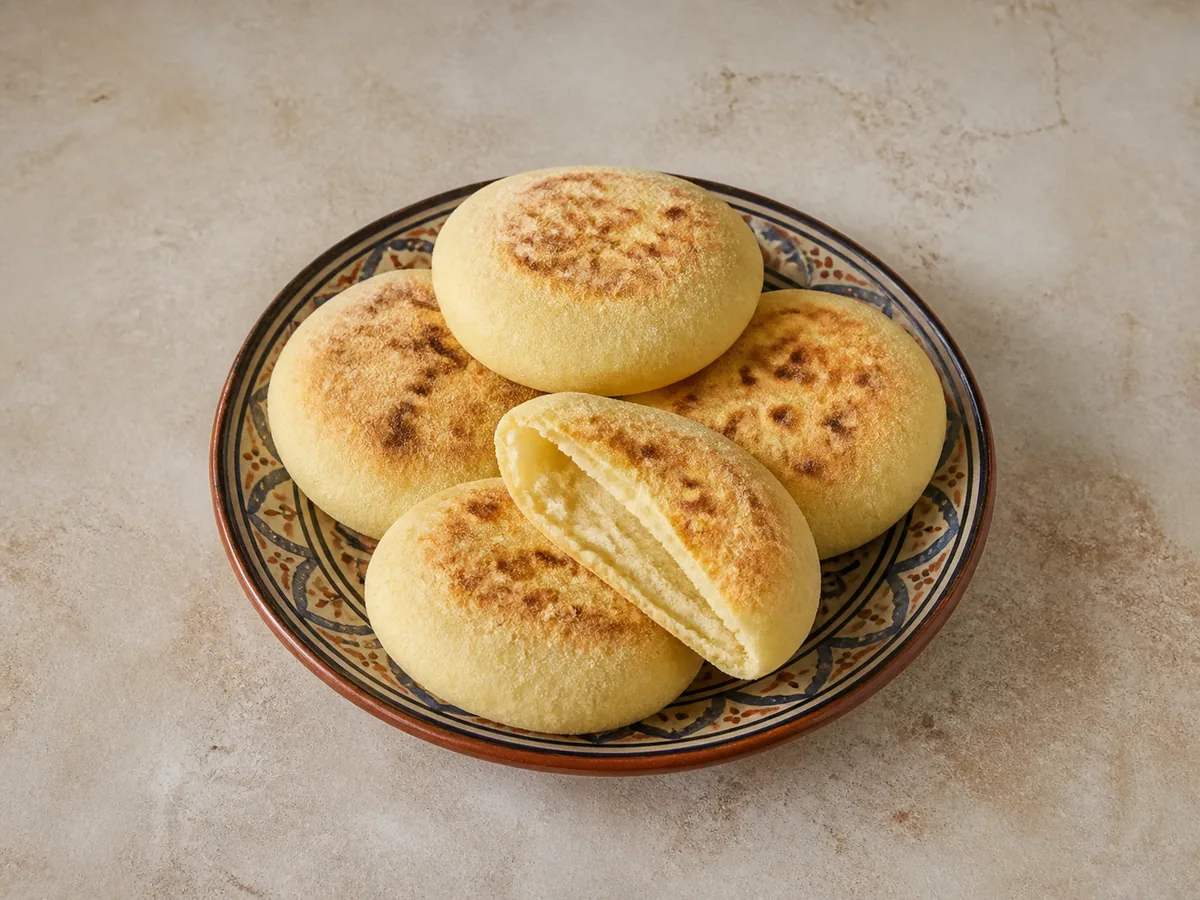
Transfer each cooked batbout to a clean folded towel while the remaining rounds cook. Serve warm as table bread, or cut a neat opening along one edge and use the pocket for a savory filling. The crumb should be tender and flexible rather than crisp.


Smart Substitutions
- No fine semolina? Use the same weight of bread flour and hold back a small splash of water until the dough texture is clear.
- No instant yeast? Use active dry yeast in the same amount and dissolve it in the warm water with the sugar before mixing.
- Want more whole-grain flavor? Replace up to one quarter of the all-purpose flour with whole wheat flour and add water gradually if the dough feels firm.
- No olive oil? Use a neutral vegetable oil with a mild flavor.
Tips and Variations
- Roll every round to an even thickness; a thick rim can trap the expansion and leave the center dense.
- Turn the breads often rather than waiting for one side to brown deeply. Balanced heat encourages a full pocket.
- Cook one test round first, then adjust the heat before adding the next batch.
What Went Wrong?
- Batbout will not puff Give the shaped rounds their full rest, check that they are evenly rolled, and make sure the griddle is thoroughly preheated.
- Outside browns too quickly Reduce the heat and keep turning the bread so the center has time to expand and cook through.
- Crumb is dense Use less extra flour during kneading and let the first rise continue until the dough is visibly expanded.
- Rounds stick to the surface Dust the work surface lightly with semolina and lift each round with a thin scraper instead of pulling it out of shape.
Nutrition Estimate
- Fiber: 4 g per serving
- Sodium: 690 mg per serving
Nutrition disclaimer:This recipe is provided for general cooking information only. Nutrition values are estimates and may vary by ingredients, brands, preparation methods, and serving sizes. Check ingredient labels and follow appropriate food-safety practices. This content is not medical, dietary, allergy, or professional food-safety advice.
FAQ
Found an error or have a suggestion?
Help us improve this recipe. Send us your feedback and include the recipe name so we can take a look.