Method
Rinse and soak the rice
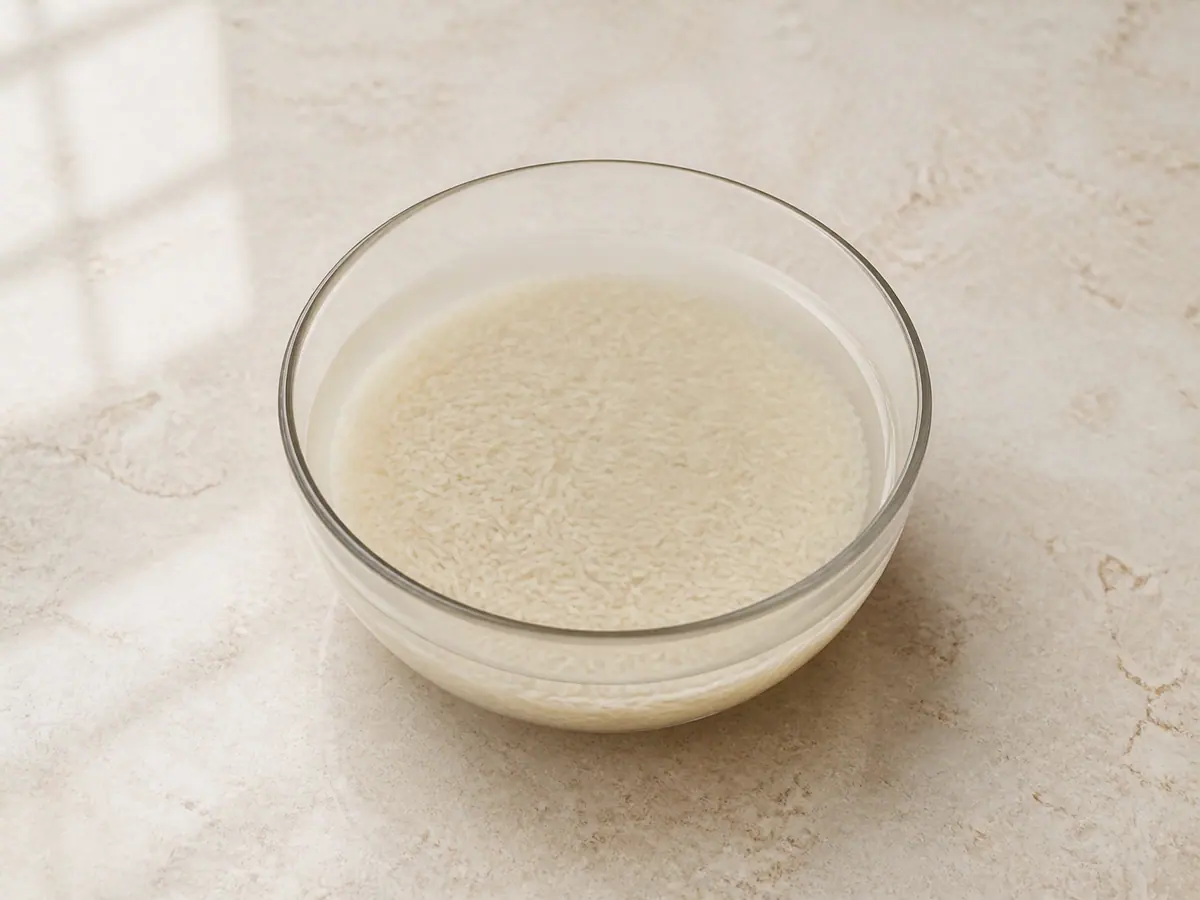
Place 280 g of long-grain white rice in a medium bowl and cover it generously with cool tap water. Swirl the grains with your hand, drain the cloudy water, and repeat until the water is nearly clear. Cover the rice with fresh water, soak for 10 minutes, then drain in a fine-mesh sieve and shake off as much water as possible.
10:00Toast the vermicelli
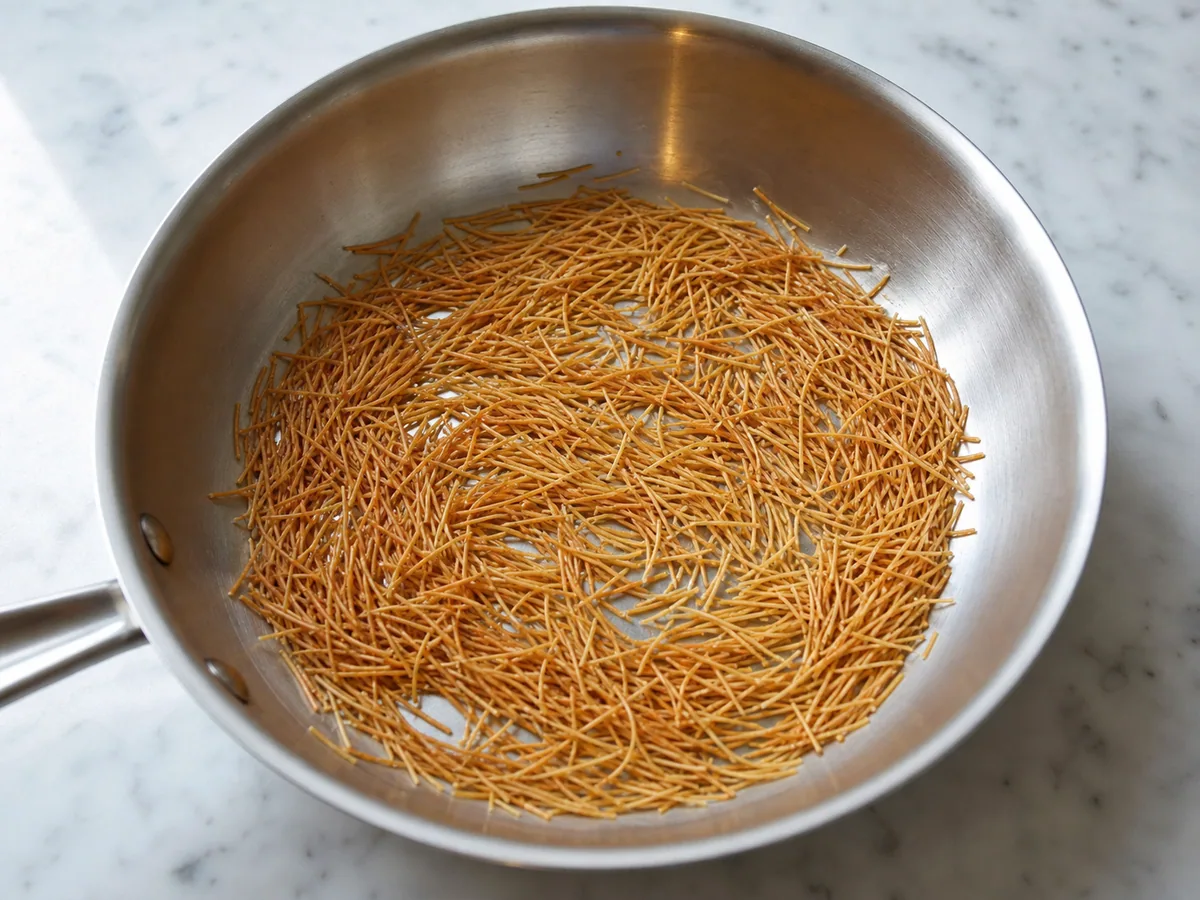
Warm 30 ml of extra-virgin olive oil in a medium heavy-bottomed saucepan over medium heat. Break 55 g of vermicelli pasta into pieces about 2.5 cm (1 in) long when needed, add it to the pan, and stir constantly. Begin checking at 2 minutes and continue cooking until the pasta is evenly deep golden brown, 2 to 4 minutes total; reduce the heat if any strands darken much faster than the rest.
02:00Simmer the rice and vermicelli
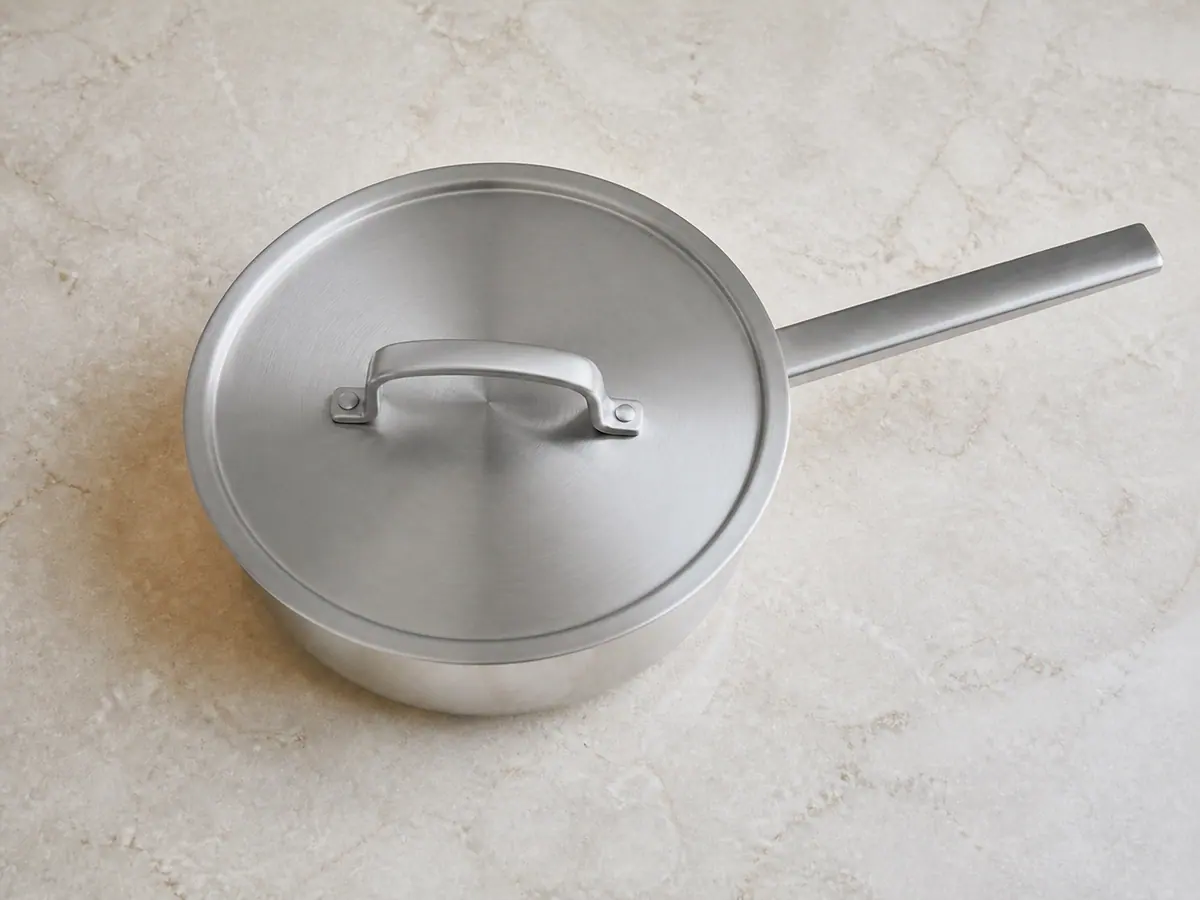
Stir 280 g of long-grain white rice into the toasted vermicelli for about 30 seconds so the grains are coated. Add 540 ml of water and 4 g of fine sea salt, increase the heat to medium-high, and bring the pot to a full boil. Stir once, cover with a tight-fitting lid, lower the heat to the minimum setting, and simmer for 15 minutes without lifting the lid.
15:00Rest, fluff, and serve
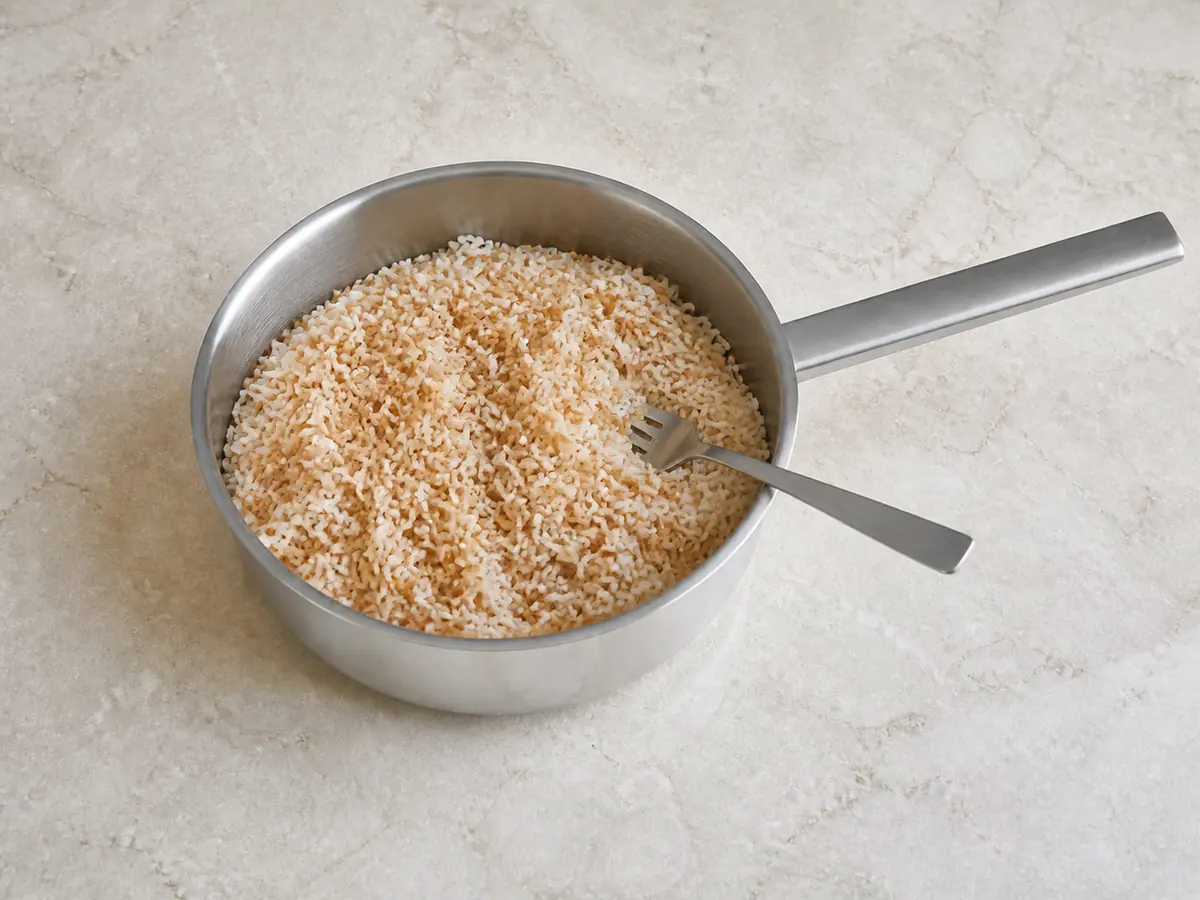
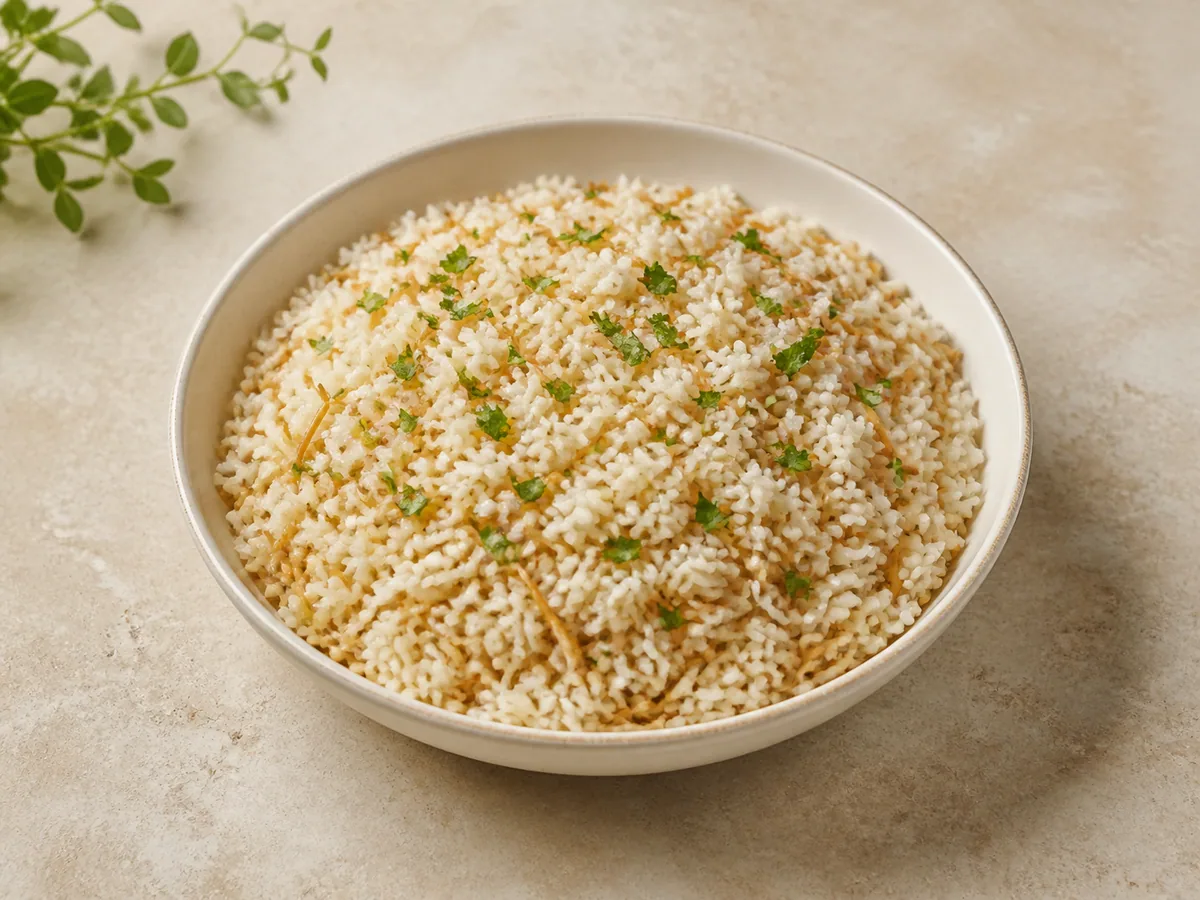
Remove the covered pot from the heat and let it stand undisturbed for 10 minutes so the trapped steam finishes the grains. Uncover; the liquid should be absorbed, small steam holes should be visible across the surface, and the rice should be tender. Run a fork gently through the rice from the edges toward the center, and loosen any compacted areas without mashing. If using, chop fresh parsley (optional) and scatter it over the rice, then serve immediately.
10:00


Smart Substitutions
- No vermicelli pasta? Break capellini or angel-hair pasta into short pieces and toast it in the same way.
- No olive oil? Use the same amount of unsalted butter or ghee for a richer, rounder flavor.
- Using jasmine rice? Keep the same method, but follow the package guidance if its liquid ratio differs from standard long-grain rice.
- No fresh parsley? Leave it off; the browned vermicelli provides the essential flavor and contrast.
Tips and Variations
- Drain the rinsed rice thoroughly so unmeasured water does not upset the cooking ratio.
- Watch the vermicelli continuously; it can move from evenly toasted to scorched in a few seconds.
- Use a heavy saucepan with a snug lid to distribute low heat evenly and hold in steam.
What Went Wrong?
- Rice is gummy Rinse until the water is nearly clear, drain well, and avoid stirring after the pot reaches a boil.
- Vermicelli tastes bitter Discard it and begin again; burned pasta will flavor the entire pot.
- Rice is still firm Sprinkle in a small splash of hot water, cover, and cook over the lowest heat for a few more minutes before resting again.
- Rice is wet at the end Cover and cook over very low heat for a few more minutes, then rest off the heat so the remaining moisture can redistribute.
Nutrition Estimate
- Fiber: 1 g per serving
- Sodium: 400 mg per serving
Nutrition disclaimer:This recipe is provided for general cooking information only. Nutrition values are estimates and may vary by ingredients, brands, preparation methods, and serving sizes. Check ingredient labels and follow appropriate food-safety practices. This content is not medical, dietary, allergy, or professional food-safety advice.
FAQ
Found an error or have a suggestion?
Help us improve this recipe. Send us your feedback and include the recipe name so we can take a look.