Method
Toast the coconut
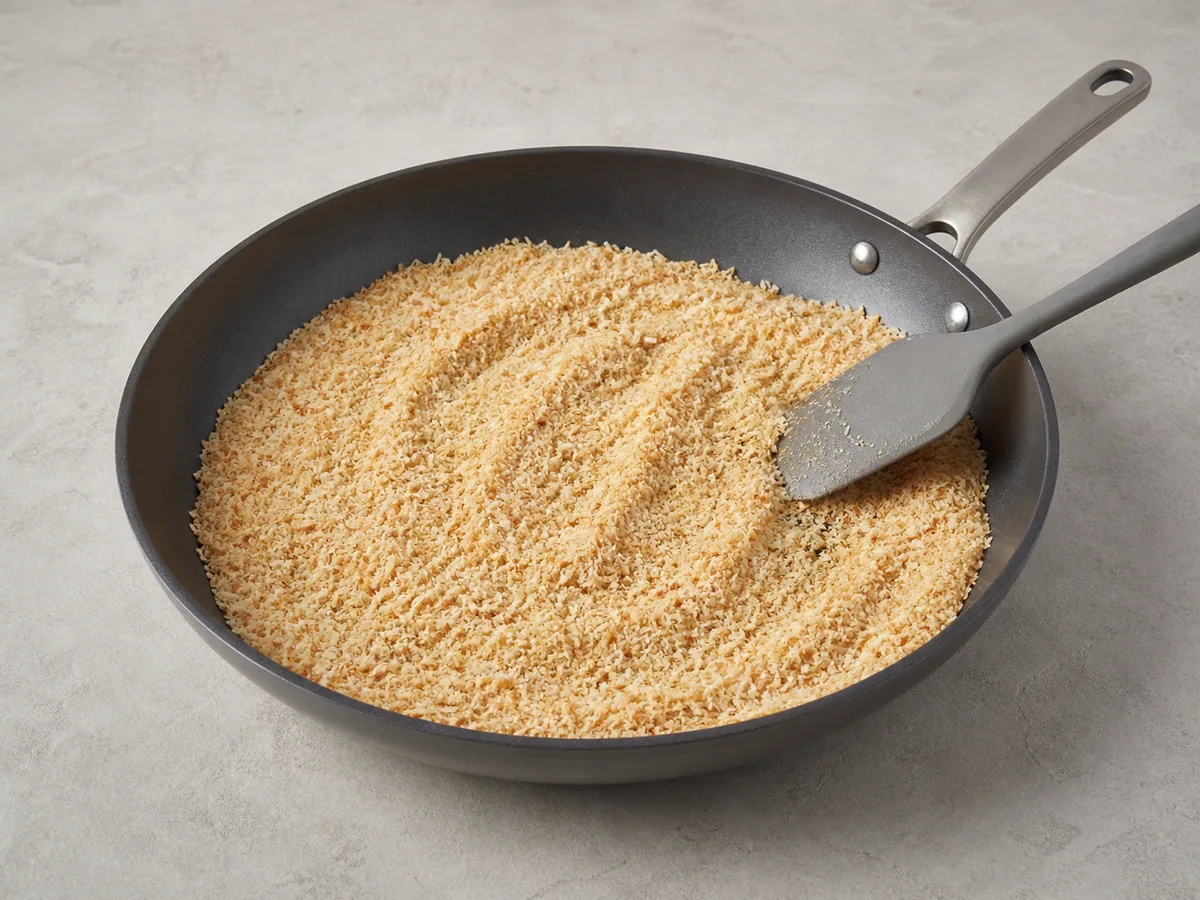
Spread 25 g of unsweetened desiccated coconut in a wide dry skillet over medium-low heat. Stir continuously, sweeping the edges toward the center, for about 4 minutes, until most of the coconut is pale gold and a few flecks are deeper brown. Transfer it immediately to a plate so the residual heat does not scorch it.
04:00Toast the flour
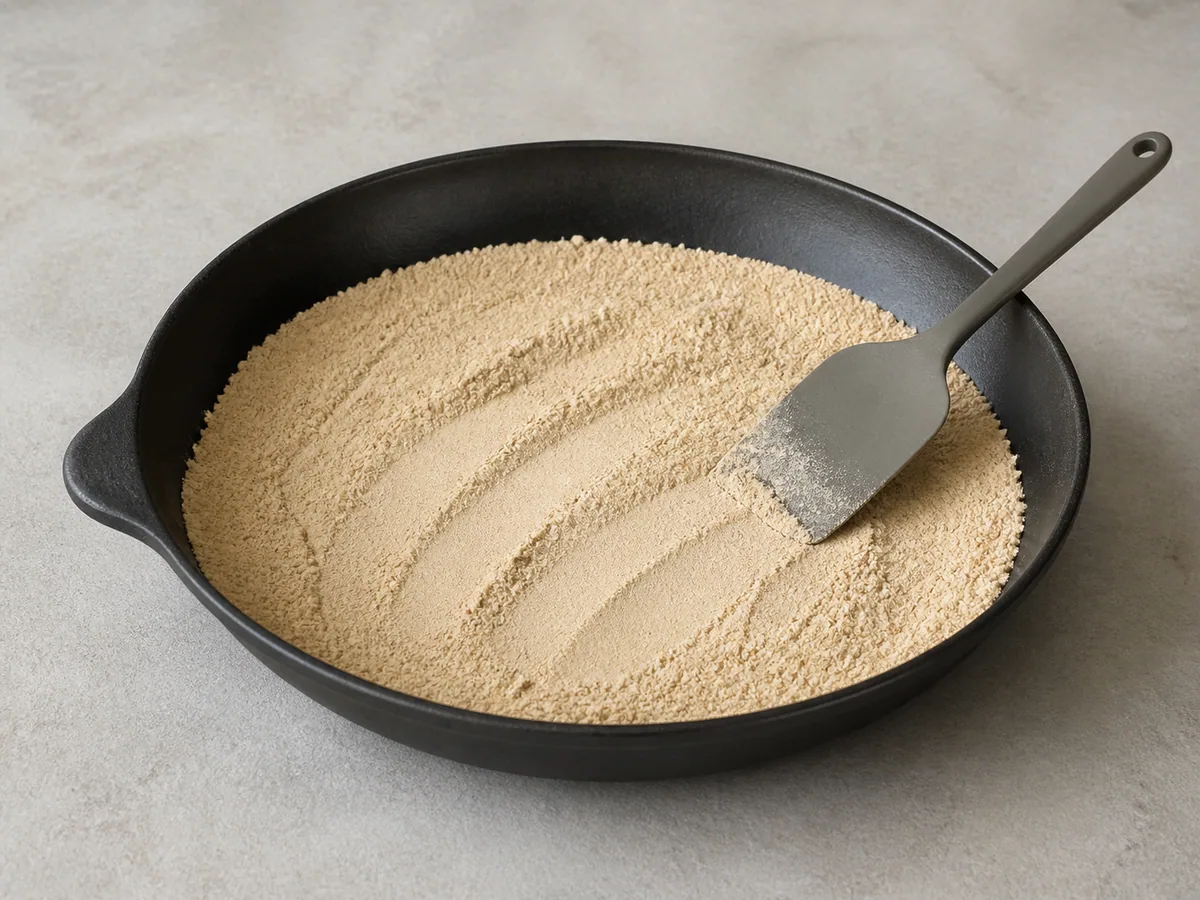
Confirm the flour is commercially heat-treated or specifically labeled safe for ready-to-eat use; untreated raw flour is not suitable for this no-bake confection. Add 120 g of commercially heat-treated all-purpose flour to the same skillet over medium-low heat. Stir and scrape the pan constantly for about 8 minutes, until the flour changes from chalky white to light beige, smells nutty, and shows no dark patches. Pour it into a large bowl and let it cool until it no longer feels warm.
08:00Make the coconut polvoron mixture
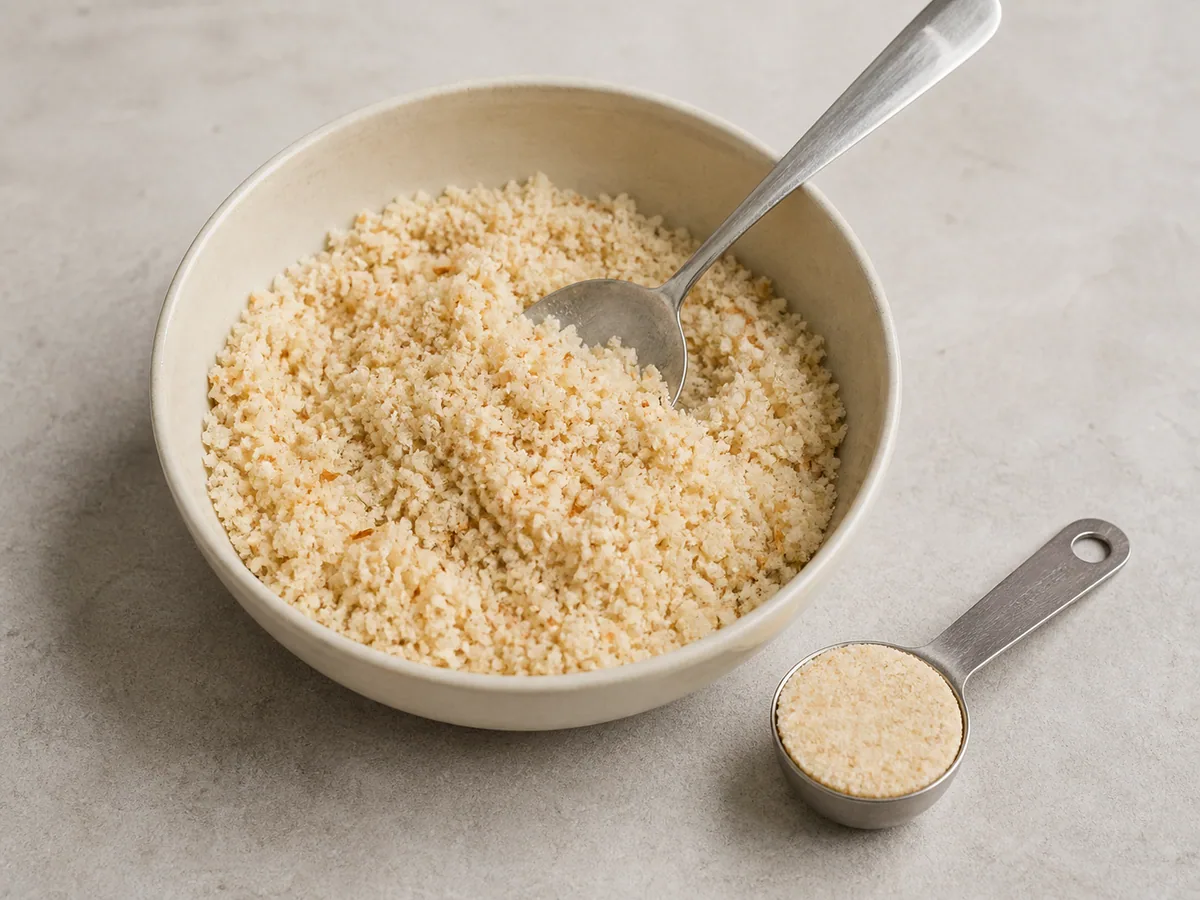
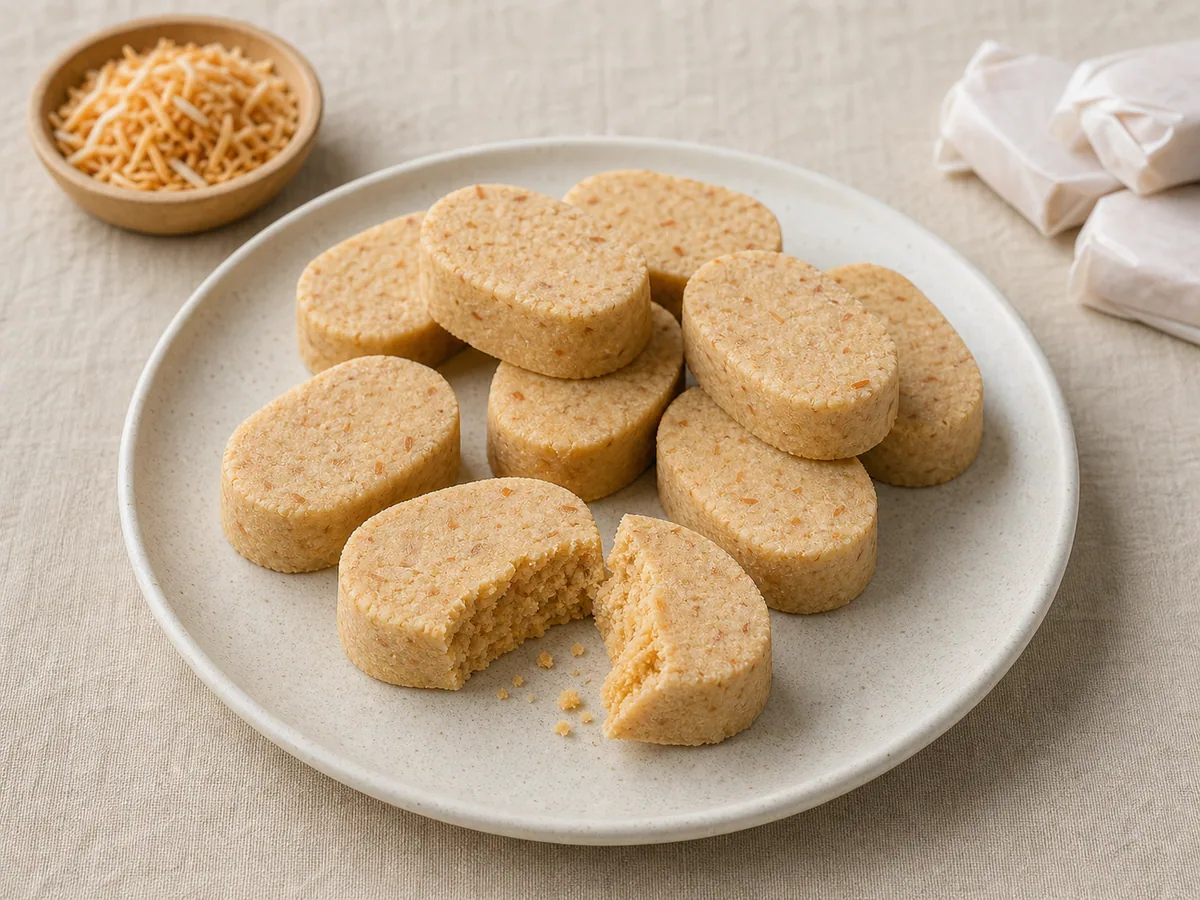
Melt 85 g of unsalted butter in a small saucepan over low heat just until fluid, then remove it from the heat. Whisk 50 g of unsweetened coconut milk powder, 75 g of granulated sugar, and 3/4 g of fine salt into the cooled flour, breaking up every lump. Stir in the toasted coconut. Pour in the melted butter and mix thoroughly until the crumbs are evenly moistened. A firmly pressed spoonful should hold together while the loose mixture still looks sandy rather than greasy.
Shape the polvoron
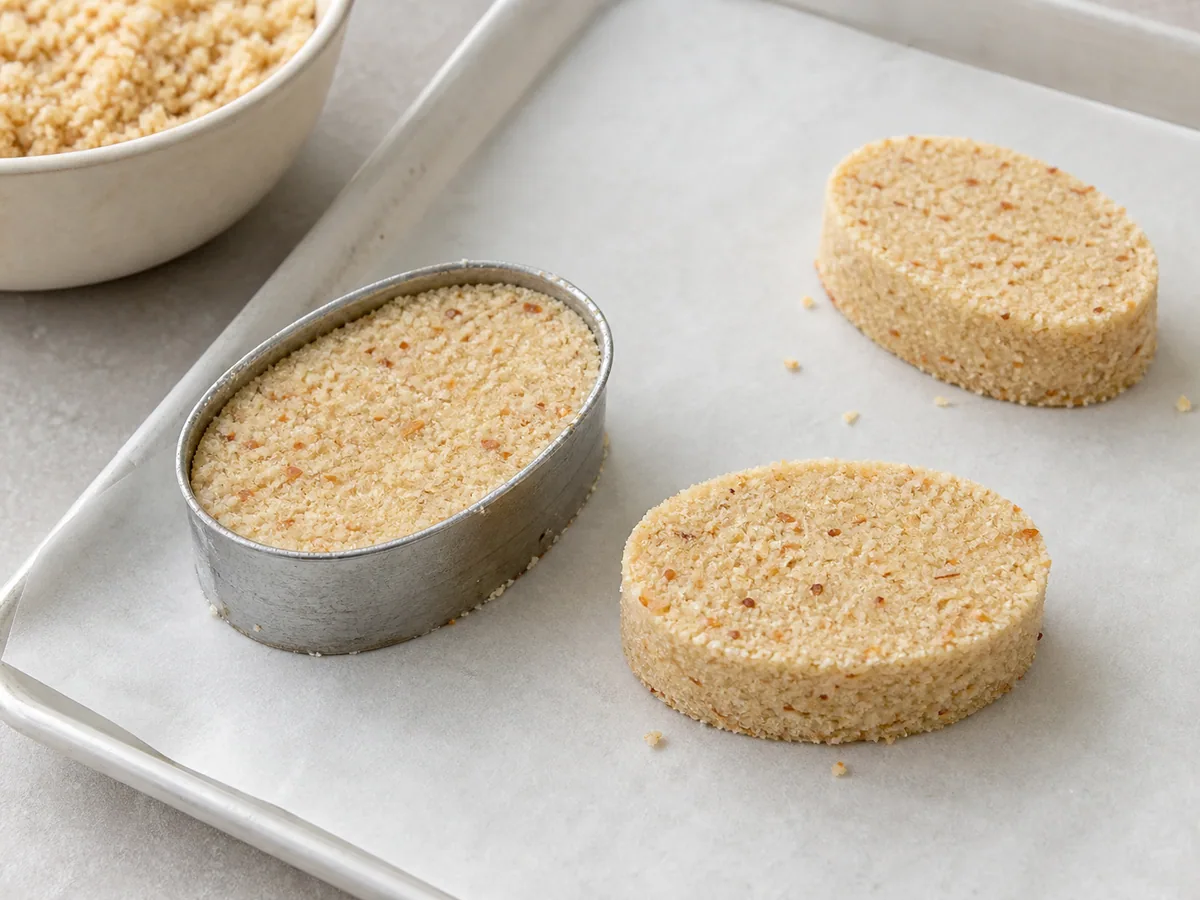
Set a sheet of parchment on a flat tray. Fill a small polvoron mold or a one-tablespoon measure with the mixture, then press very firmly against the work surface so the crumbs compact into an even layer. Release each piece close to the parchment to limit breakage. Repeat, stirring the bowl occasionally so the coconut stays evenly distributed, and aim for about four small pieces per serving.
Let the pieces settle and serve
Leave the shaped polvoron undisturbed on the tray for 10 minutes so the butter firms slightly and the edges become easier to handle. Arrange the pieces on a small plate or wrap them individually in food-safe polvoron paper, then serve with coffee or tea.
10:00


Smart Substitutions
- No coconut milk powder? Use whole milk powder for a more traditional dairy-rich crumb; the toasted coconut will provide most of the coconut flavor.
- No desiccated coconut? Use finely shredded unsweetened coconut and toast it until dry and evenly golden before mixing.
- No polvoron mold? Pack the mixture tightly into a one-tablespoon measure or a small silicone candy mold, then release it close to the tray.
- Need a butter alternative? Use an equal weight of refined coconut oil for a more coconut-forward result; the pieces may be slightly more delicate.
Tips and Variations
- Toast the coconut separately because it browns much faster than the flour.
- Sift coconut milk powder before mixing if it has formed firm lumps.
- Release each molded piece close to the tray instead of dropping it from the mold.
What Went Wrong?
- Mixture will not hold its shape Mix for another minute to distribute the butter. If it still falls apart, work in a very small amount of melted butter until a pressed spoonful holds cleanly.
- Mixture looks greasy The butter was too hot or too much was added. Let the mixture cool briefly, then dust in coconut milk powder gradually until it returns to a sandy texture.
- Coconut tastes bitter It was toasted too dark. Replace that batch; even a few scorched flecks can dominate the mild milk-coconut flavor.
- Pieces crack when released Pack the mold more firmly, level the surface, and release the piece directly above the parchment-lined tray.
Nutrition Estimate
- Fiber: 2 g per serving
- Sodium: 90 mg per serving
Nutrition disclaimer:This recipe is provided for general cooking information only. Nutrition values are estimates and may vary by ingredients, brands, preparation methods, and serving sizes. Check ingredient labels and follow appropriate food-safety practices. This content is not medical, dietary, allergy, or professional food-safety advice.
FAQ
Found an error or have a suggestion?
Help us improve this recipe. Send us your feedback and include the recipe name so we can take a look.