
Method
Mix and knead the dough
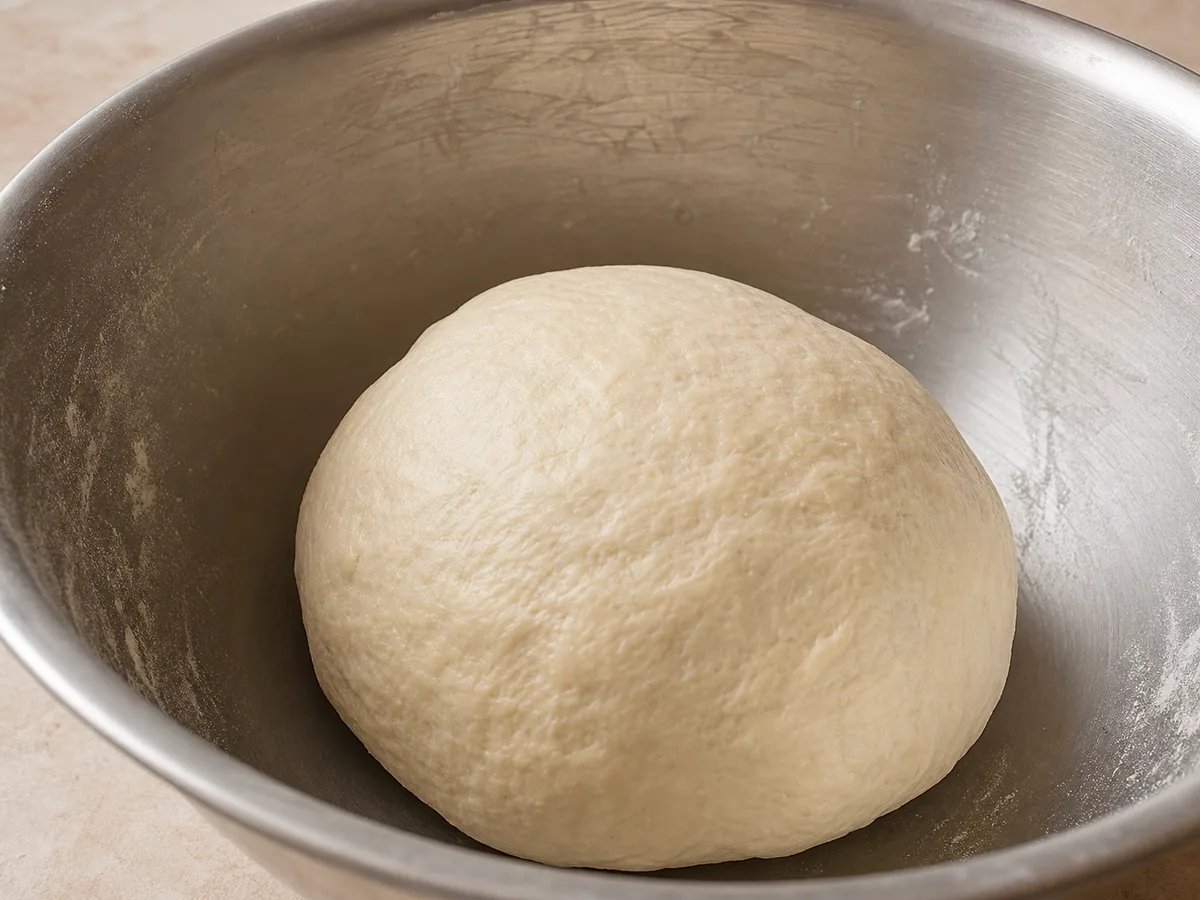
Combine 360 g of all-purpose wheat flour and 5 g of fine salt for dough in a large bowl. Add 240 ml of lukewarm water and 15 ml of neutral oil for dough, then stir until a shaggy dough forms. Turn it onto a clean work surface and knead for 8 to 10 minutes, until smooth, supple, and only faintly tacky. If it clings firmly to the surface, pause briefly and continue kneading rather than adding a large amount of extra flour.
08:00Rest the dough
Shape the dough into a ball, cover it with an inverted bowl or a damp kitchen towel, and let it rest for 30 minutes. This pause relaxes the gluten so the portions roll thin without springing back.
30:00Cook the potatoes
Peel 500 g of yellow potatoes and cut them into 2.5 cm (1 in) chunks. Put them in a saucepan, cover with cold water, and bring to a boil. Reduce to a steady simmer and cook for 12 to 15 minutes, checking at 12 minutes, until a knife slides through the centers without resistance. Drain thoroughly and let the surface moisture evaporate before mashing.
12:00Prepare the potato-leek filling
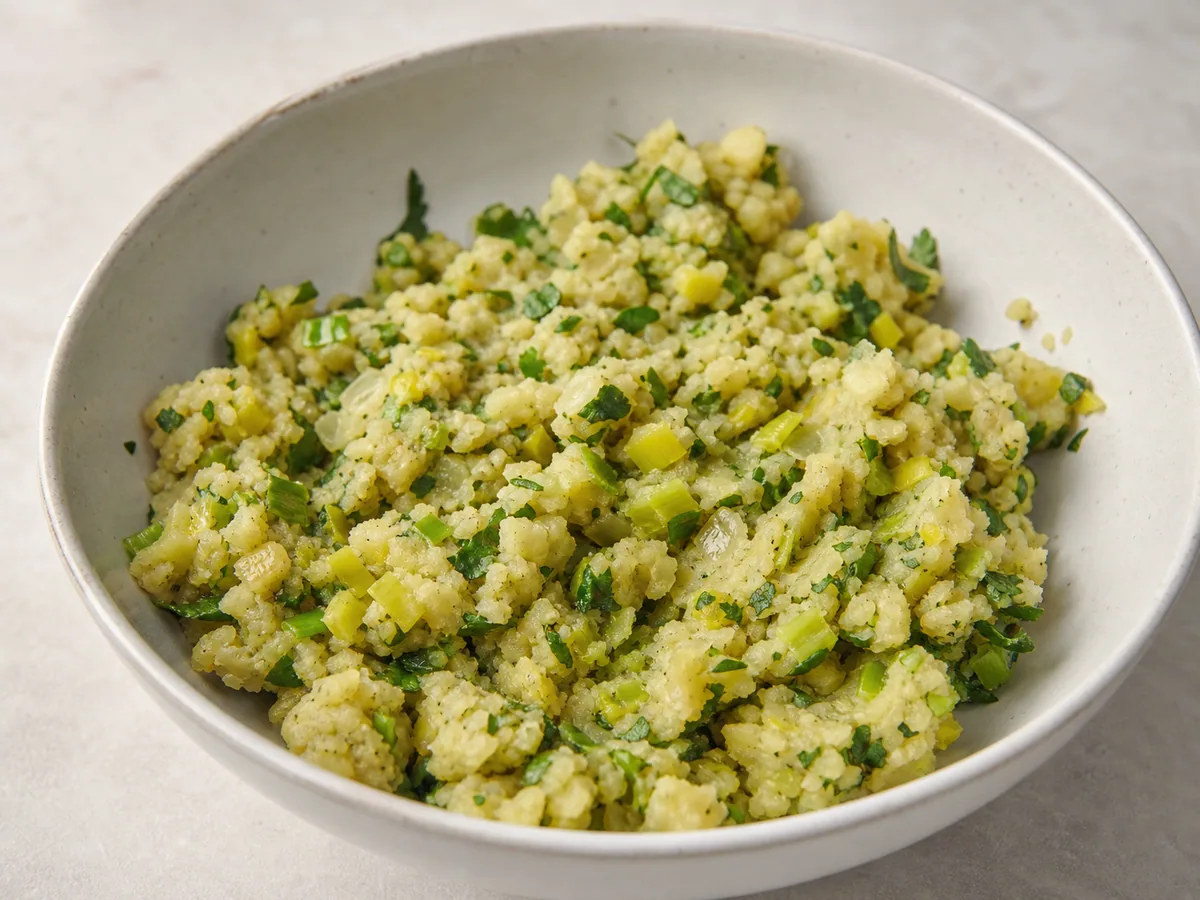
Split 250 g of leeks, white and light green parts lengthwise, rinse between the layers to remove grit, and slice them crosswise 2 to 3 mm (about 1/8 in) thick. Chop 20 g of fresh cilantro and 1 fresh green chili. Mash 500 g of yellow potatoes to a coarse, slightly lumpy texture in a wide bowl. Fold in 250 g of leeks, white and light green parts, 20 g of fresh cilantro, 1 fresh green chili, 2 g of ground cumin, 2 g of ground coriander, 1 1/2 g of ground turmeric, 1 g of black pepper, and 4 g of fine salt for filling. Spread the filling in a shallow, loose layer across the bowl so excess steam can escape. Let it cool until no longer steaming; it should hold together without looking wet.
Divide and roll the dough
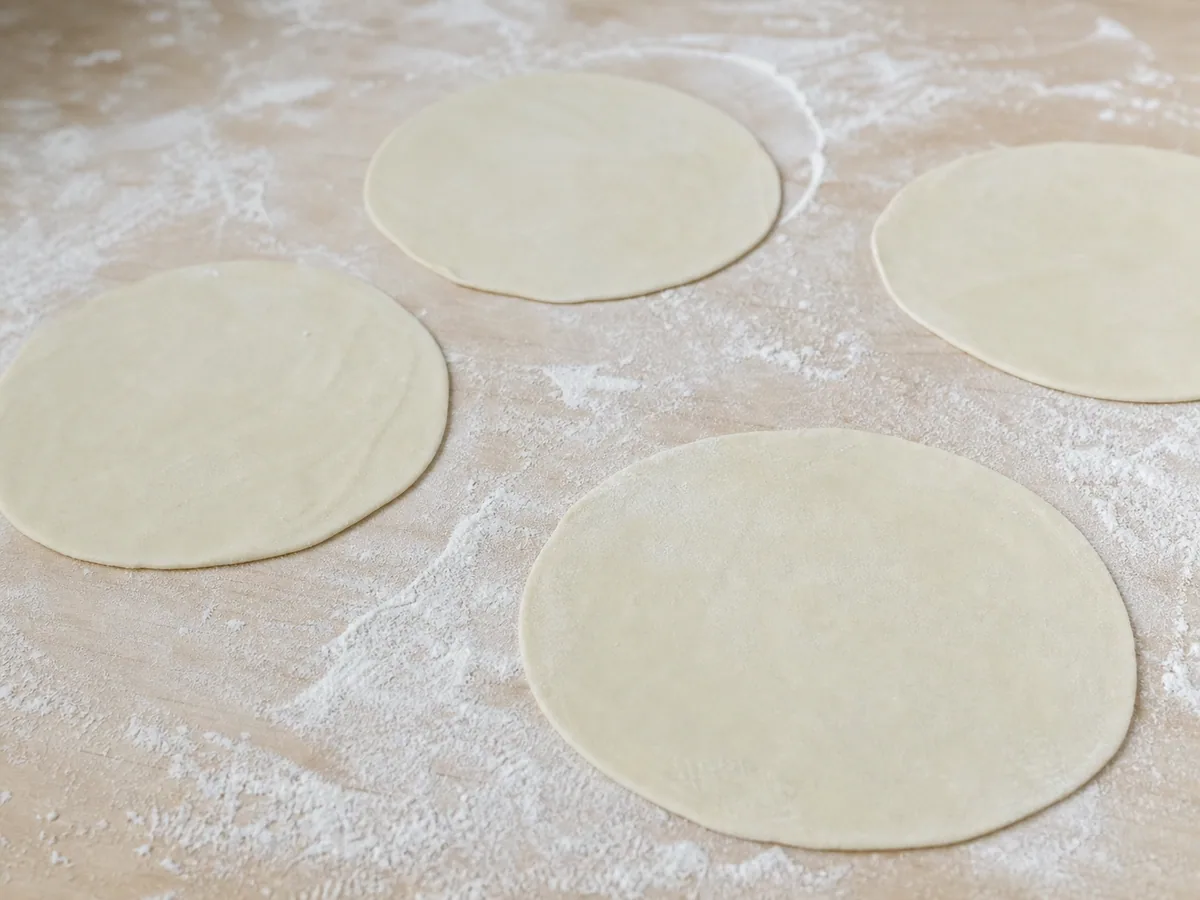
Divide the rested dough into equal portions, making two portions for each serving, and keep them covered while you work. Use 30 g of all-purpose flour for rolling sparingly on the work surface and rolling pin. Roll one portion at a time into a thin 20 to 22 cm (8 to 9 in) circle; the surface beneath should be faintly visible, but the dough should not tear when lifted.
Fill and seal the bolani
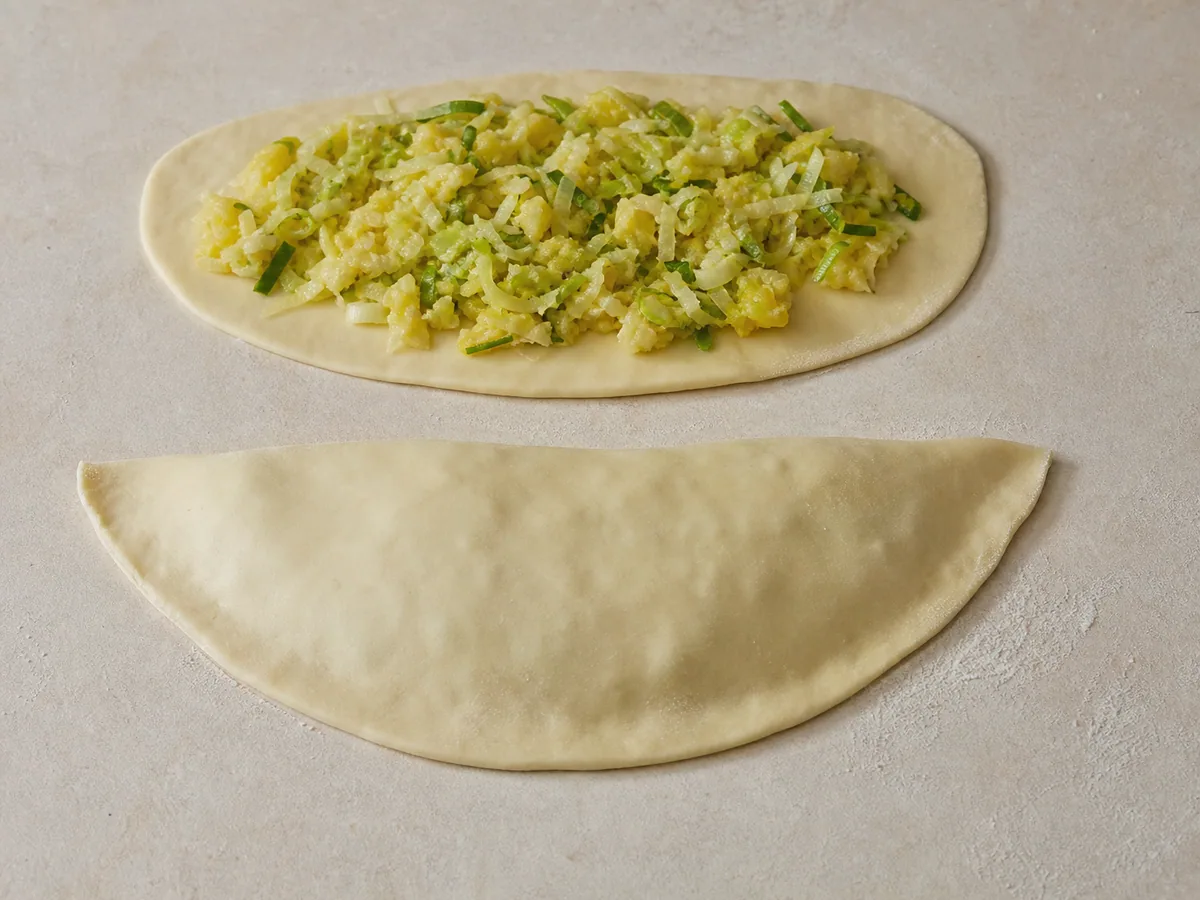
Spread a thin, even layer of filling over one half of each dough circle, leaving a 1.5 cm (1/2 in) bare border. Moisten the border with water, fold the uncovered half over the filling, and press from the fold toward the edge to push out trapped air. Pinch the seam firmly, then flatten the filled half-moon gently so the filling reaches the edges without breaking through.
Pan-cook until blistered and golden
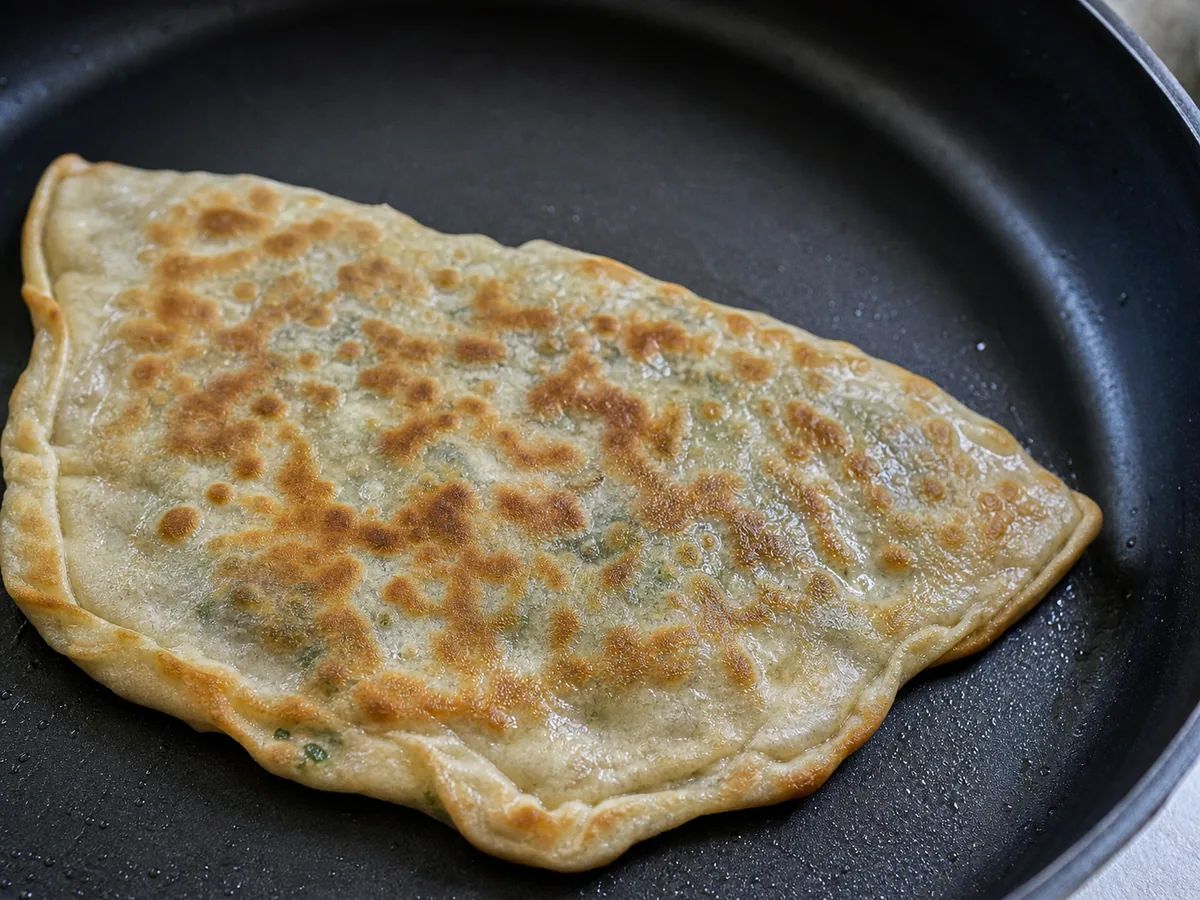
Heat a large heavy skillet over medium-high until a drop of water skitters across the surface and evaporates. Use 45 ml of neutral oil for cooking in small additions as the batches cook. Lay the bolani in a single layer and cook for 4 to 6 minutes total, turning once halfway and checking at 4 minutes, until both sides are deeply golden in spots, the surface is crisp, and no pale floury patches remain. Lower the heat slightly if the oil smokes or the bread darkens before the center heats through.
04:00Cut and serve
Let each bolani settle briefly on a rack so the underside stays crisp. Cut into wedges and serve at once with plain yogurt (optional) and cilantro chutney (optional), if using, for dipping.


Smart Substitutions
- No leeks? Use an equal weight of scallions, garlic chives, or a mixture of the two for a sharper green-allium flavor.
- No cilantro? Use flat-leaf parsley or fresh dill; the filling will taste different but still fresh and aromatic.
- Prefer less heat? Remove the seeds and inner membrane from the fresh green chili before chopping it for gentler heat.
- Want some whole wheat? Replace up to one-quarter of the dough flour with whole-wheat flour and add water gradually until the dough stays supple.
Tips and Variations
- Rinse leeks after splitting them; grit often hides deep between the layers.
- Roll from the center outward and rotate the dough often to keep the circle thin and even.
- Press out air before sealing, because trapped pockets expand in the skillet and can tear the seam.
What Went Wrong?
- Dough keeps shrinking Cover the portion and let it relax for 10 minutes, then roll again with lighter pressure.
- Bolani tears while shaping Use a thinner layer of filling and make sure the potato mixture is not wet or steaming.
- Filling escapes in the skillet Leave a wider clean border, press out air, and pinch the seam before flattening.
- Outside darkens before it crisps Reduce the heat to medium and use a thinner film of oil for the next batch.
Nutrition Estimate
- Fiber: 7 g per serving
- Sodium: 910 mg per serving
Nutrition disclaimer:This recipe is provided for general cooking information only. Nutrition values are estimates and may vary by ingredients, brands, preparation methods, and serving sizes. Check ingredient labels and follow appropriate food-safety practices. This content is not medical, dietary, allergy, or professional food-safety advice.
FAQ
Found an error or have a suggestion?
Help us improve this recipe. Send us your feedback and include the recipe name so we can take a look.