Method
Par-cook the lentils
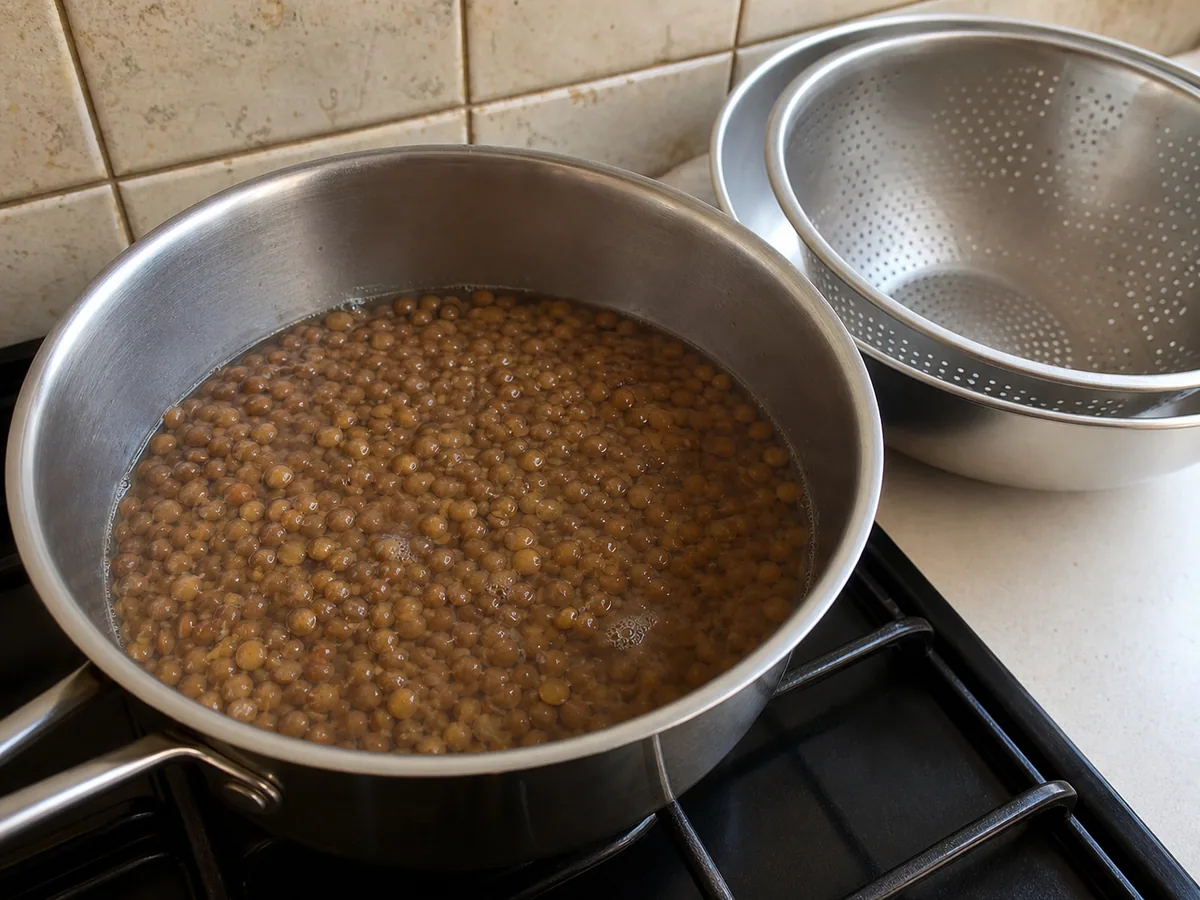
Sort through 200 g of brown lentils, discard any debris, and rinse until the water runs clear. Combine 200 g of brown lentils and 900 ml of water for the lentils in a medium saucepan and bring to a boil over high heat. Reduce to a steady simmer and cook uncovered for 18 to 22 minutes, beginning to check at 18 minutes. The lentils should be tender at the edges but still hold their shape. Drain well.
18:00Caramelize the onions
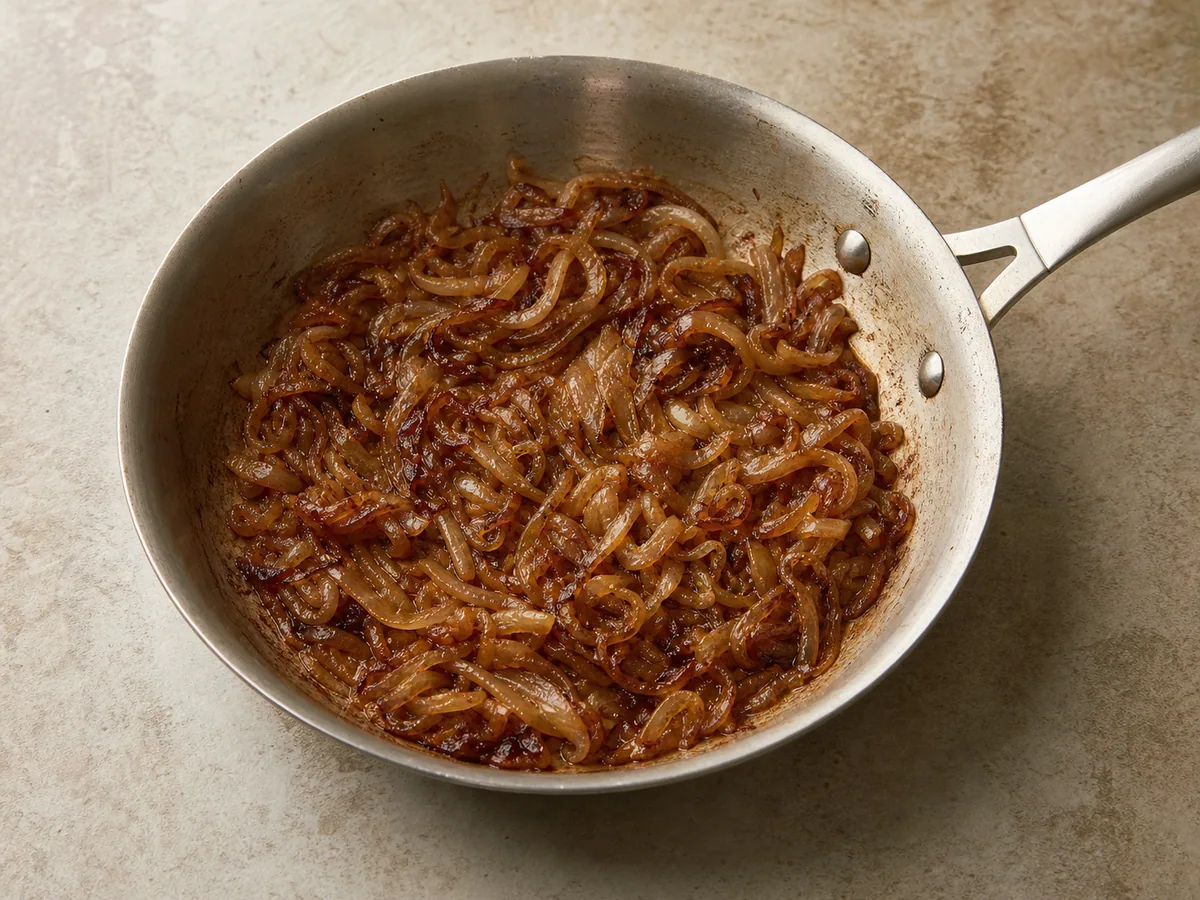
While the lentils simmer, peel, halve, and thinly slice 600 g of yellow onions. Heat 60 ml of extra-virgin olive oil in a wide, heavy pan with a lid over medium-high heat. Add the onions and cook for 5 minutes, stirring often, until they begin to soften. Reduce the heat to medium-low and continue cooking for 20 to 25 minutes, stirring and scraping the pan every few minutes, until most pieces are deep amber with darker edges. Lower the heat if the onions scorch before they soften.
20:00Cook the lentil and bulgur pilaf
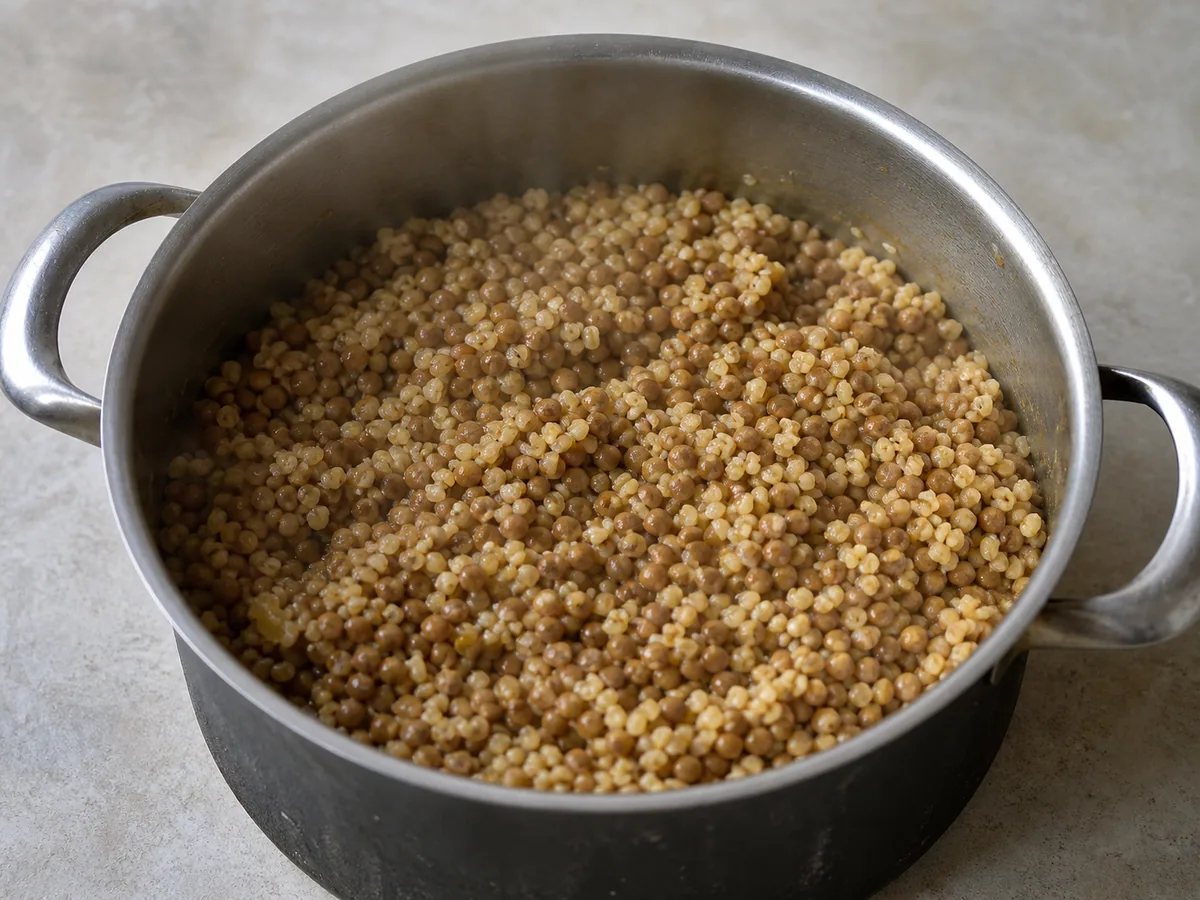
Transfer about one-third of the caramelized onions to a plate for the topping. Stir 2 g of ground cumin, 6 g of fine salt, and 1 g of black pepper into the onions left in the pan and cook for 30 seconds. Add 180 g of coarse bulgur wheat, followed by 200 g of brown lentils from the saucepan, and fold gently so the grains are coated with the onion mixture. Pour in 480 ml of water for the bulgur, bring to a boil, then cover and reduce the heat to low. Cook for 15 to 18 minutes, beginning to check at 15 minutes, until the liquid is absorbed and the bulgur is tender but not mushy.
15:00Rest, fluff, and finish
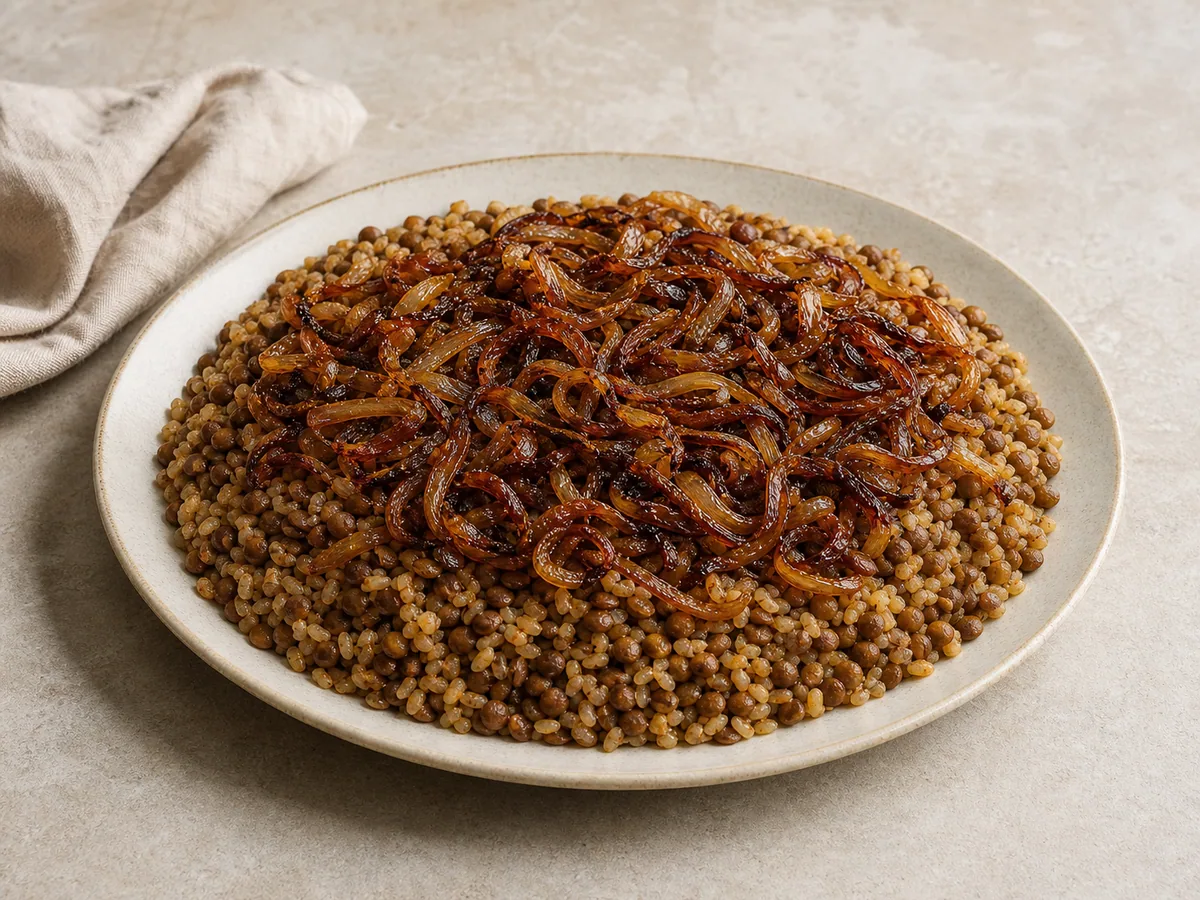
Remove the covered pan from the heat and let the mujadara stand for 10 minutes so the bulgur finishes steaming. Uncover and fluff gently with a fork, lifting from the bottom rather than stirring hard. Spoon onto a serving platter and scatter the reserved caramelized onions over the top. Serve warm.
10:00


Smart Substitutions
- No coarse bulgur? Use medium bulgur and begin checking the covered pilaf after 10 minutes, since the smaller grains soften faster.
- Prefer rice? Use rinsed long-grain white rice in place of bulgur and allow about 18 minutes of covered cooking, checking that the grains are tender and the liquid is absorbed.
- No olive oil? Use a neutral cooking oil. The onions will still brown well, though the finished flavor will be less fruity.
- Want a simpler seasoning? Omit the cumin and let the lentils, wheat, and browned onions carry the dish.
Tips and Variations
- Use a wide pan so moisture escapes quickly and the onions brown instead of steaming.
- Cut the onions to an even thickness; thin stray pieces can burn before the rest caramelize.
- Brown lentils vary in age, so trust their texture and start checking at the earliest suggested time.
What Went Wrong?
- Onions are browning unevenly Lower the heat slightly, stir more often, and scrape the darker pieces into the softer onions so the color develops gradually.
- Lentils are splitting Drain them sooner next time; they should be only partly tender before they finish cooking with the bulgur.
- Pilaf is still wet Cook uncovered over low heat for 2 to 3 minutes, then cover and rest as directed.
- Bulgur is firm but the liquid is gone Add a small splash of hot water, cover, and cook on low for a few more minutes before resting.
Nutrition Estimate
- Fiber: 14 g per serving
- Sodium: 610 mg per serving
Nutrition disclaimer:This recipe is provided for general cooking information only. Nutrition values are estimates and may vary by ingredients, brands, preparation methods, and serving sizes. Check ingredient labels and follow appropriate food-safety practices. This content is not medical, dietary, allergy, or professional food-safety advice.
FAQ
Found an error or have a suggestion?
Help us improve this recipe. Send us your feedback and include the recipe name so we can take a look.