Method
Cook the potatoes
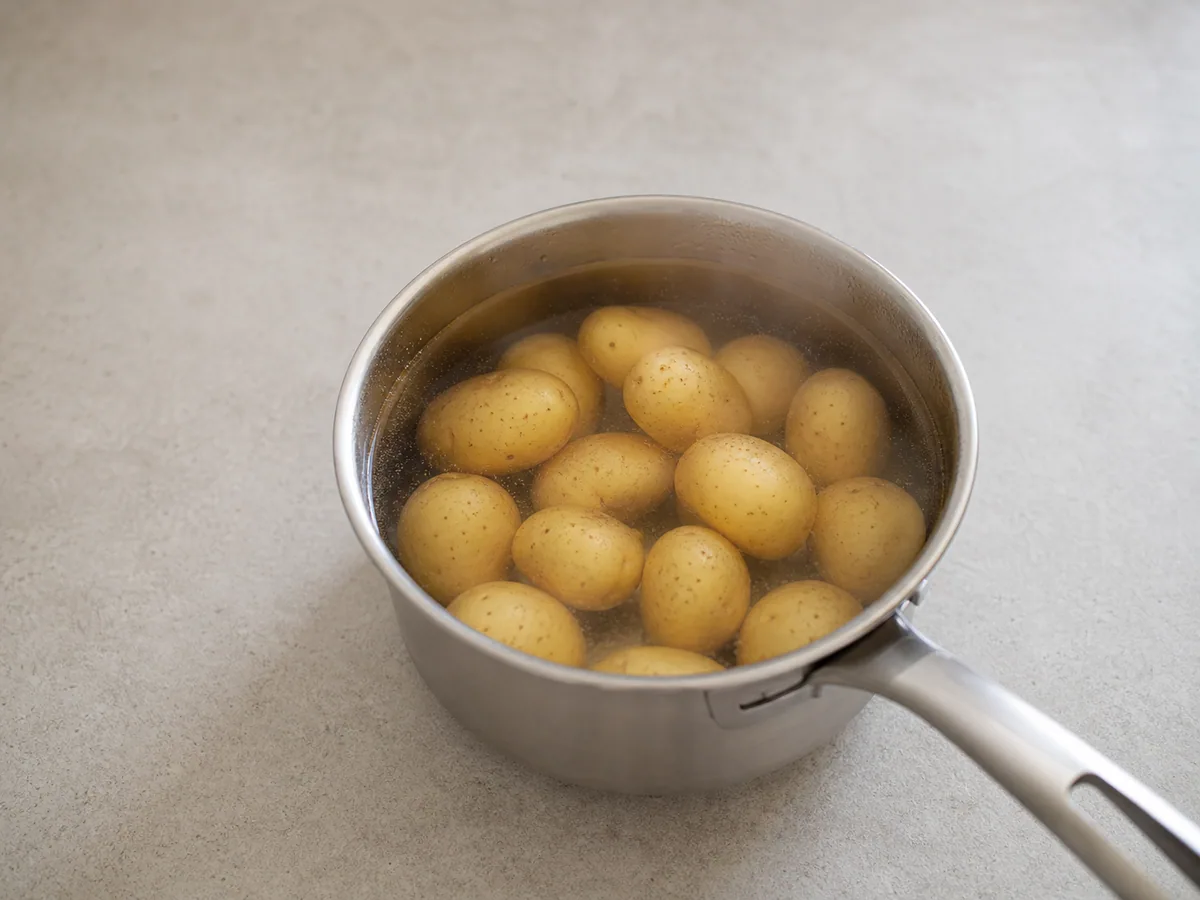
Place 400 g of baby potatoes in a saucepan, cover with cold water, and bring to a boil. Reduce to a steady simmer and cook for 12 to 15 minutes, until a small knife slides into the centers with little resistance. Drain well and halve any larger potatoes.
12:00Cook the eggs
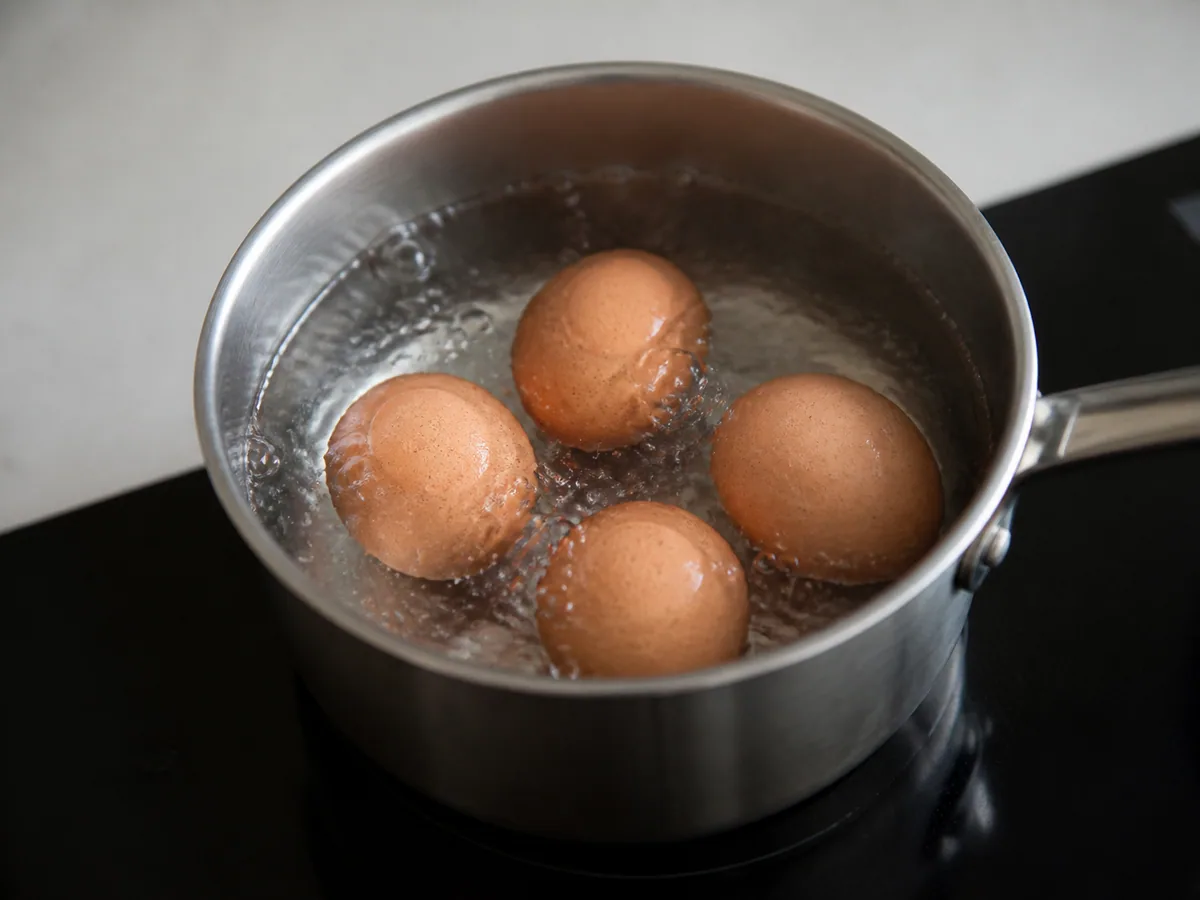
Carefully lower 4 large eggs into a saucepan of boiling water and cook for 11 minutes, until both whites and yolks are completely firm. Cool under running water, peel, and cut into quarters.
11:00Blanch and drain the vegetables
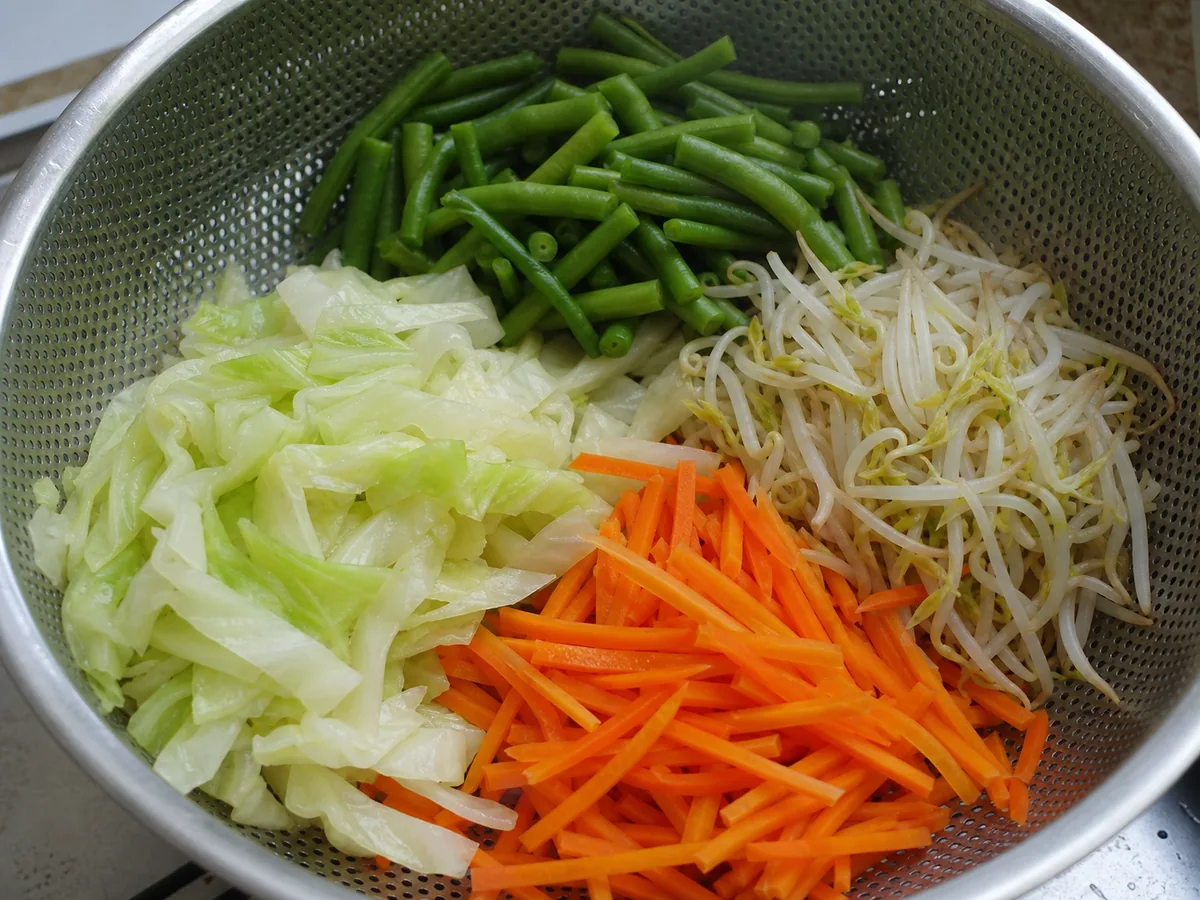
Bring a large pot of water to a rolling boil. Add 200 g of green beans and 150 g of carrots and cook for 3 minutes, adding 200 g of green cabbage after the first 90 seconds. Lift everything into a colander and rinse briefly with cool water to stop the cooking. Shake and press out excess water so the peanut sauce will cling rather than become diluted.
03:00Cook the bean sprouts
Add 150 g of mung bean sprouts to the boiling water and cook for 1 minute, until steaming hot throughout. Drain very well and press gently to remove excess water.
01:00Brown the tofu and tempeh
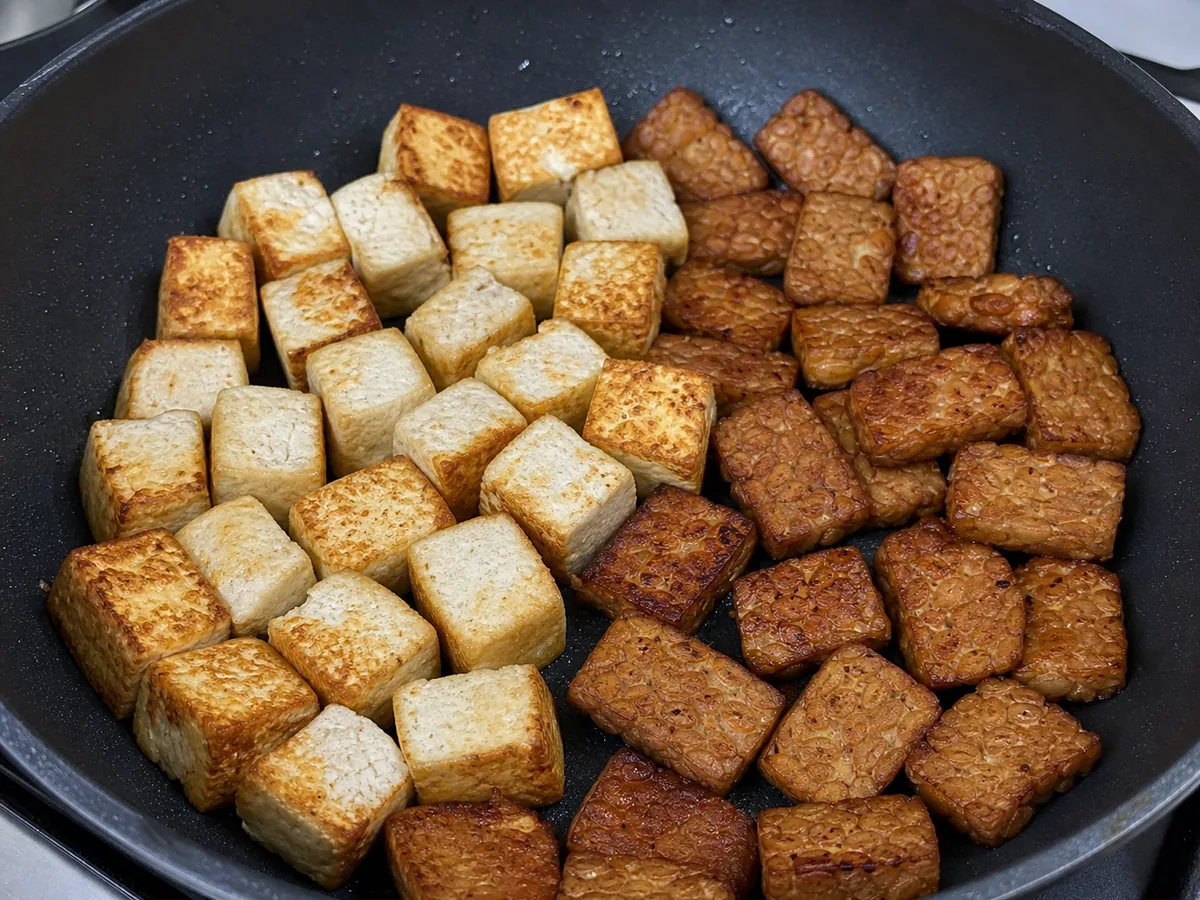
Pat 250 g of firm tofu and 200 g of plain tempeh dry, then cut both into bite-size pieces. Heat 30 ml of neutral cooking oil in a wide skillet over medium-high heat. Add the pieces in a single layer and cook for 8 to 10 minutes, turning every few minutes, until the tofu has crisp golden edges and the tempeh is browned on several sides. Work in two batches if the pan is crowded.
08:00Blend and warm the peanut sauce
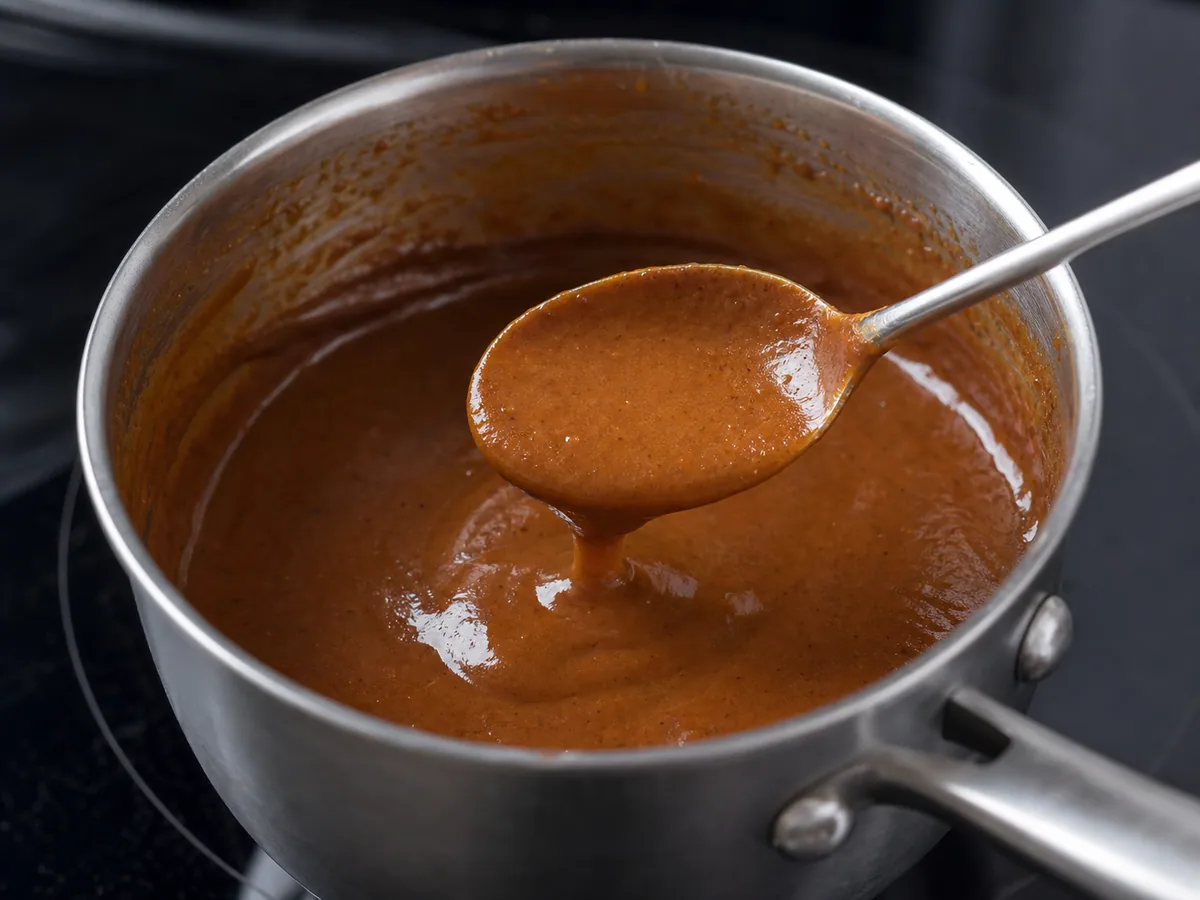
Add 110 g of roasted unsalted peanuts, 2 garlic cloves, 1 fresh red chili, 30 ml of kecap manis (sweet soy sauce), 15 g of palm sugar, 15 ml of tamarind concentrate, 30 ml of fresh lime juice, and 3 g of fine sea salt to a blender. Blend while pouring in 180 ml of hot water gradually, stopping to scrape down the sides, until the sauce is smooth but still thick enough to coat a spoon. Pour it into a small saucepan and simmer over medium-low heat for 3 to 4 minutes, stirring often, until glossy and cohesive. Taste and adjust the balance with a little extra lime or chili only if needed.
03:00Build the gado-gado platter
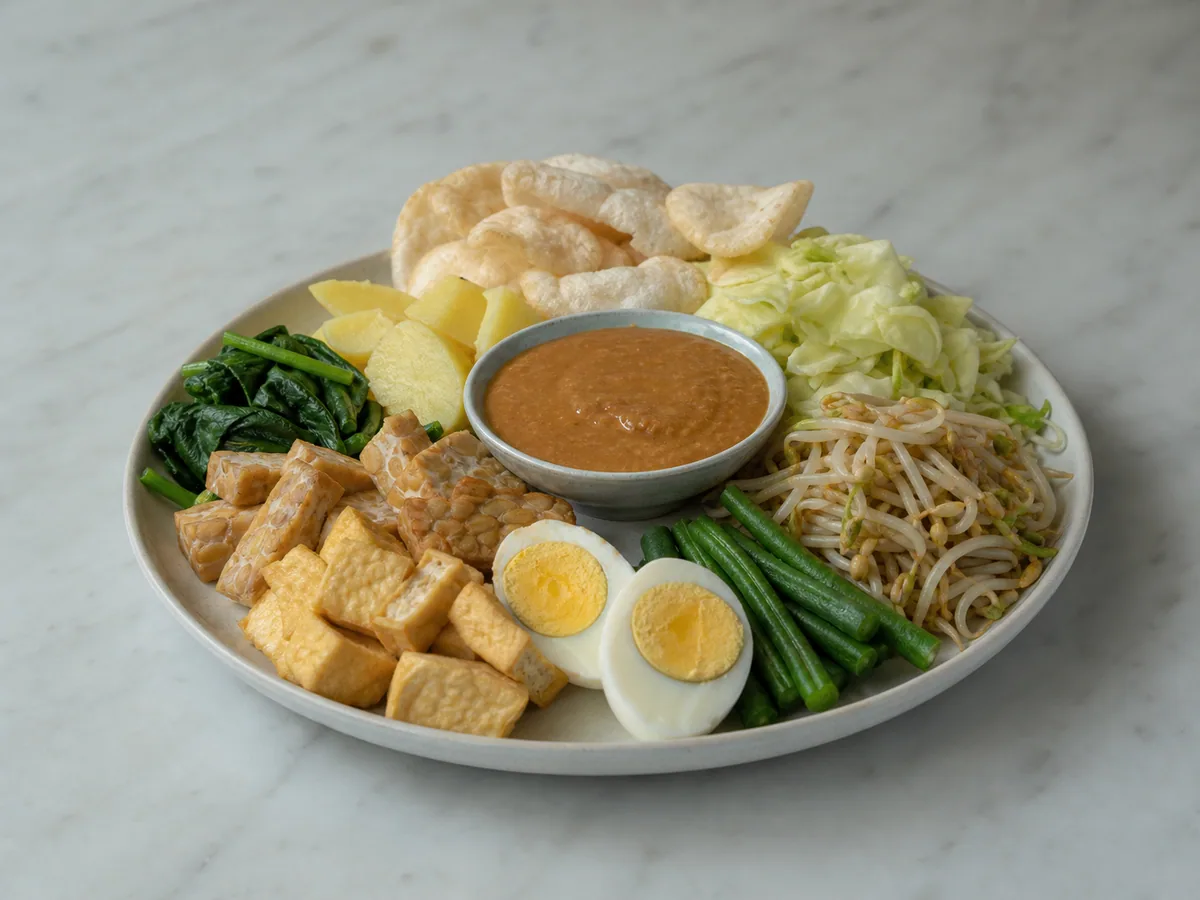
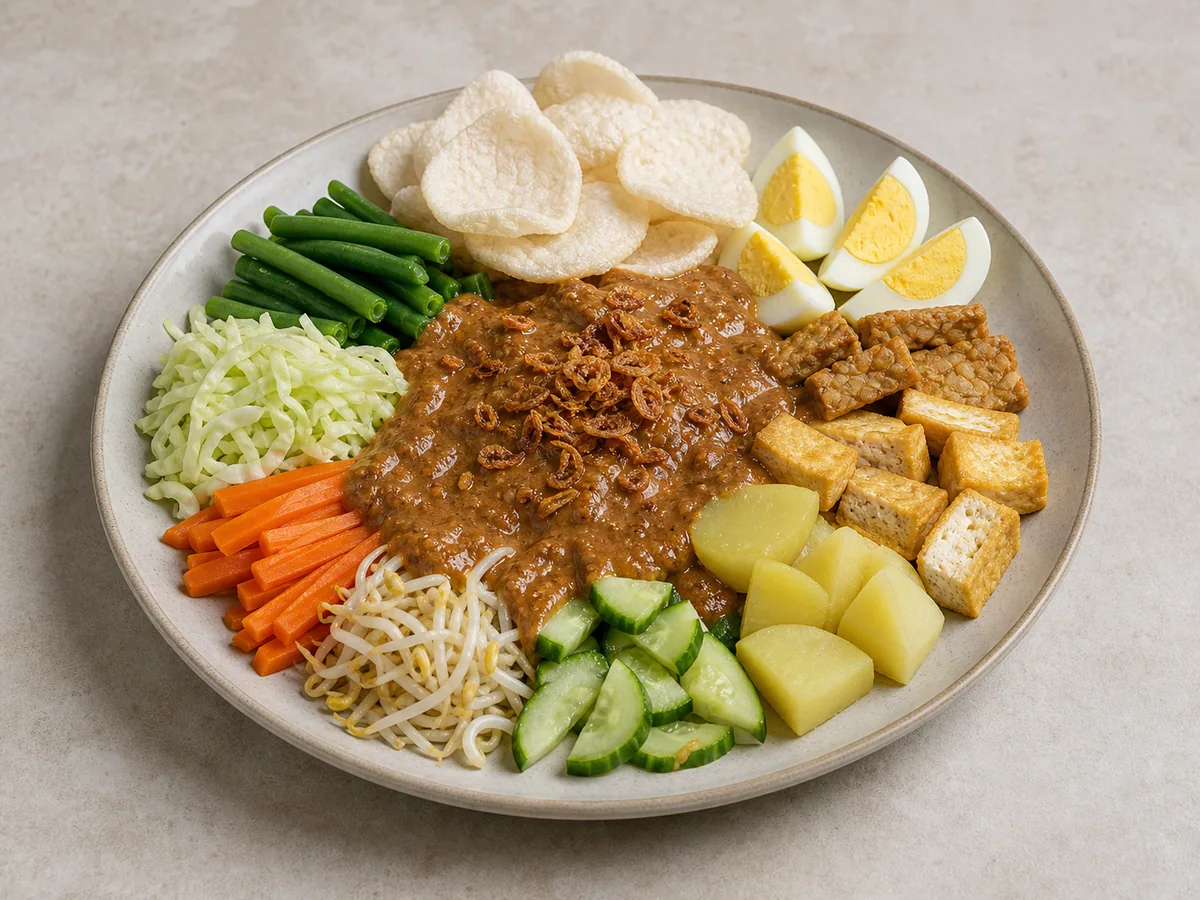
Cut 200 g of cucumber into thin rounds or half-moons. Arrange the cucumber, potatoes, blanched vegetables, bean sprouts, tofu, tempeh, and quartered eggs in distinct sections on a broad platter. Spoon the warm peanut sauce generously across the top, leaving some colors visible. Finish with fried shallots (optional) and serve with plain rice crackers (optional) alongside. Bring the platter to the table while the crisp pieces are still warm.


Smart Substitutions
- No tempeh? Use an equal weight of extra firm tofu or cooked shelled edamame for a different soy-based texture.
- No kecap manis? Mix equal parts regular soy sauce and packed dark brown sugar. For the default 4-serving recipe, use 1 tablespoon of each to replace the 2 tablespoons of kecap manis, then adjust the finished sauce to taste.
- No palm sugar? Use dark brown sugar or coconut sugar for a similar caramel note.
- No bean sprouts? Use briefly blanched spinach, broccoli florets, or extra green beans.
Tips and Variations
- Drain the blanched vegetables thoroughly; even a little trapped water can thin the peanut sauce on the platter.
- Keep the tofu and tempeh pieces similar in size so they brown at the same pace.
- For a milder sauce, remove the chili seeds before blending; for more heat, include a second small chili.
- Arrange the components in sections before saucing so every serving gets a balanced mix of crisp, tender, cool, and warm elements.
What Went Wrong?
- Peanut sauce is too thick Whisk in hot water a spoonful at a time until it falls from the spoon in a slow ribbon.
- Peanut sauce looks oily Blend it again with a small splash of hot water until the emulsion becomes smooth and glossy.
- Vegetables make the platter watery Drain them longer and press the cabbage and bean sprouts gently in the colander before arranging.
- Tofu sticks to the skillet Let the first side form a golden crust before turning, and avoid crowding the pan.
Nutrition Estimate
- Fiber: 12 g per serving
- Sodium: 580 mg per serving
Nutrition disclaimer:This recipe is provided for general cooking information only. Nutrition values are estimates and may vary by ingredients, brands, preparation methods, and serving sizes. Check ingredient labels and follow appropriate food-safety practices. This content is not medical, dietary, allergy, or professional food-safety advice.
FAQ
Found an error or have a suggestion?
Help us improve this recipe. Send us your feedback and include the recipe name so we can take a look.